TSULBP: Scientific and Practical Conference on “Development of Tajik Science in Modern Conditions: Innovation and Digitalization”
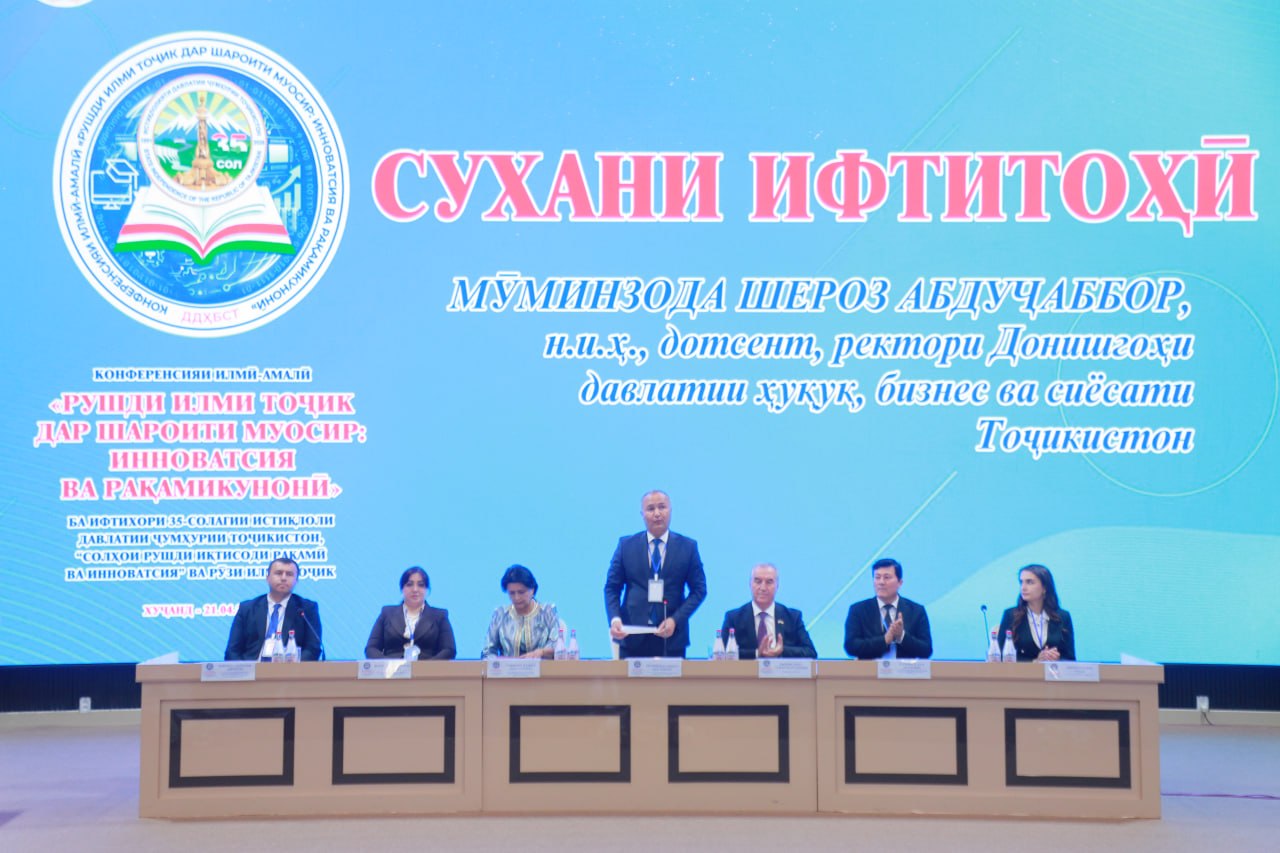
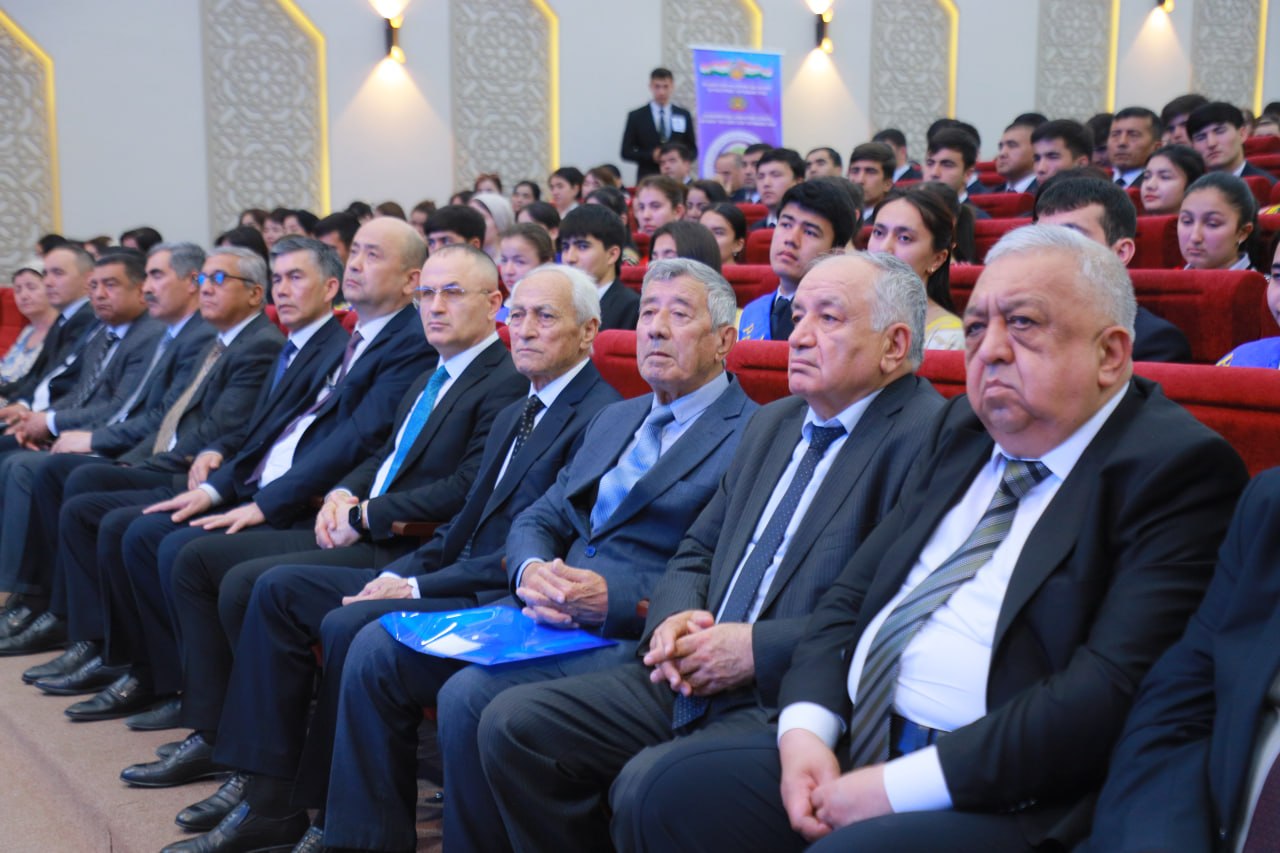
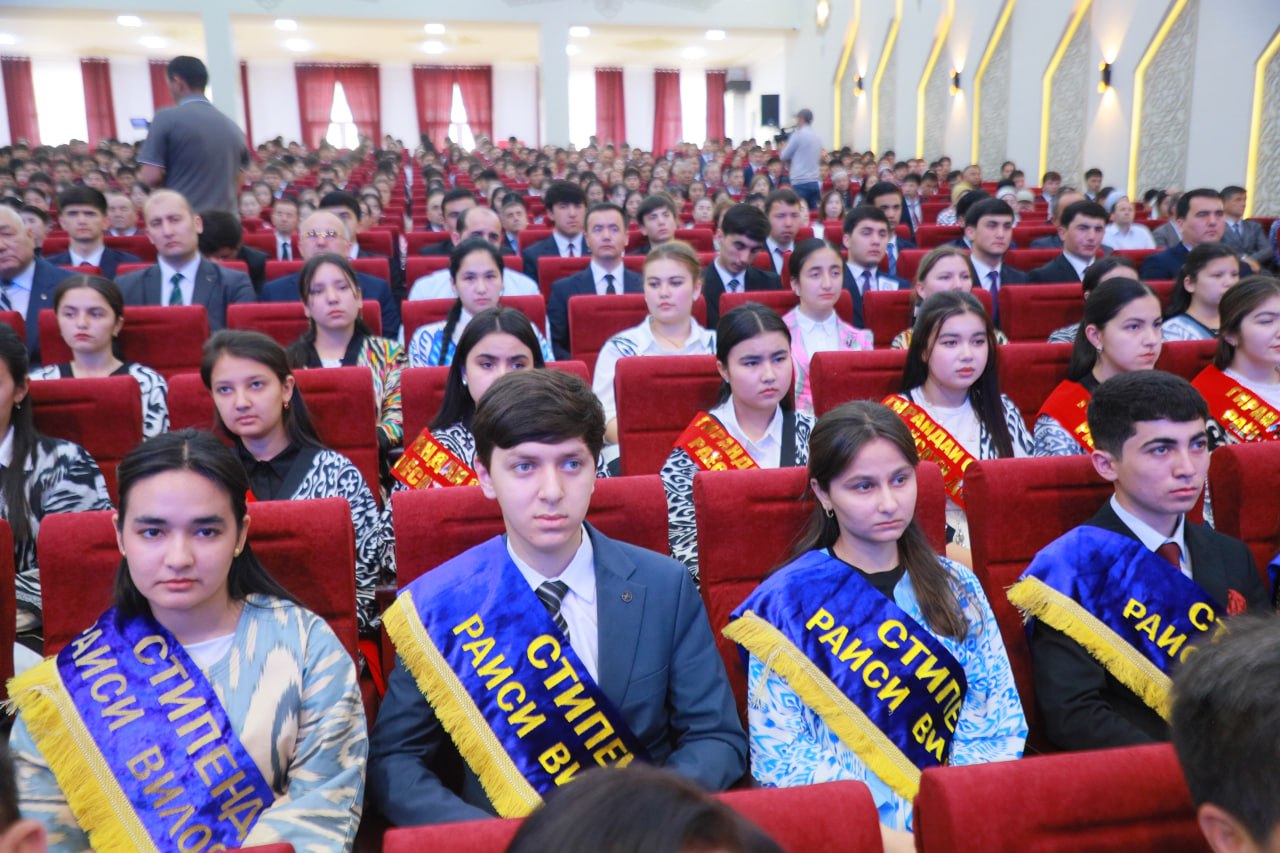
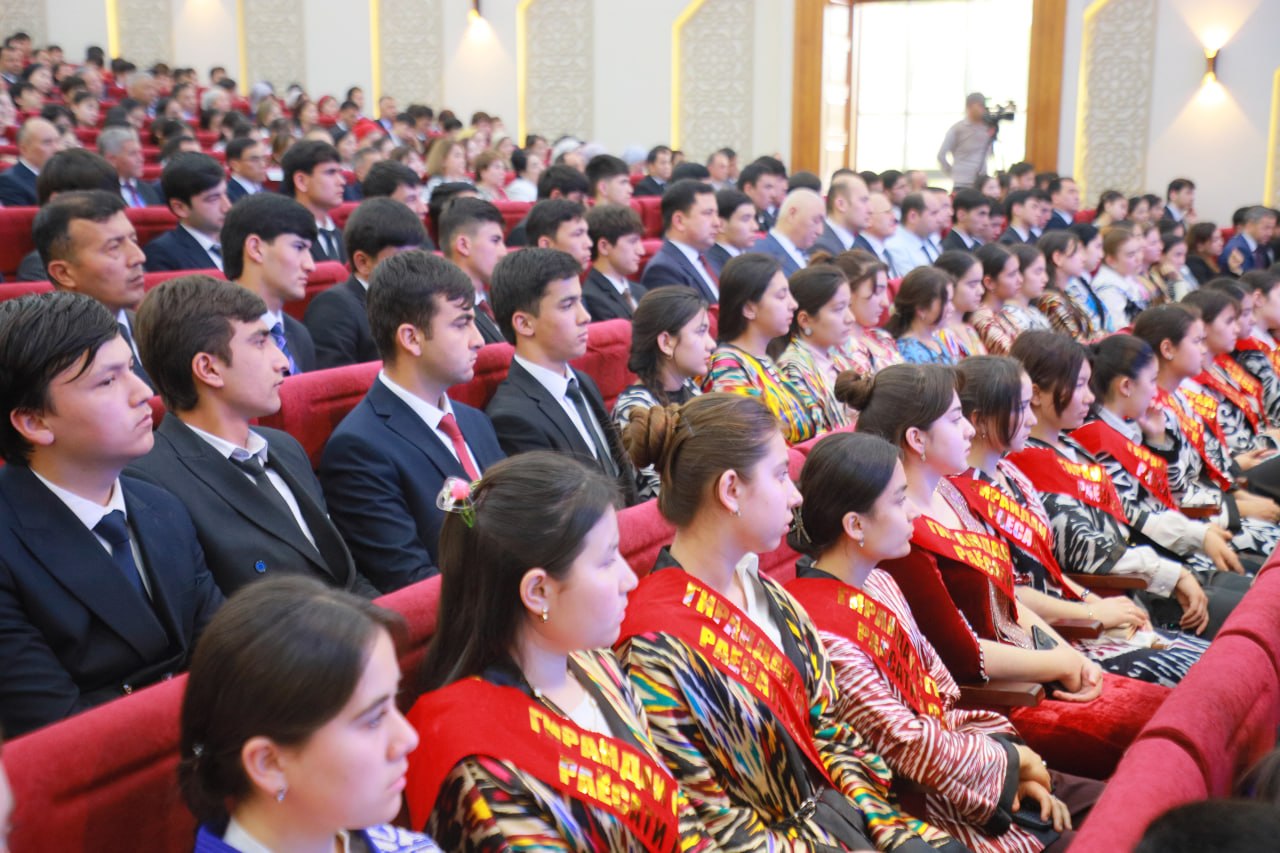
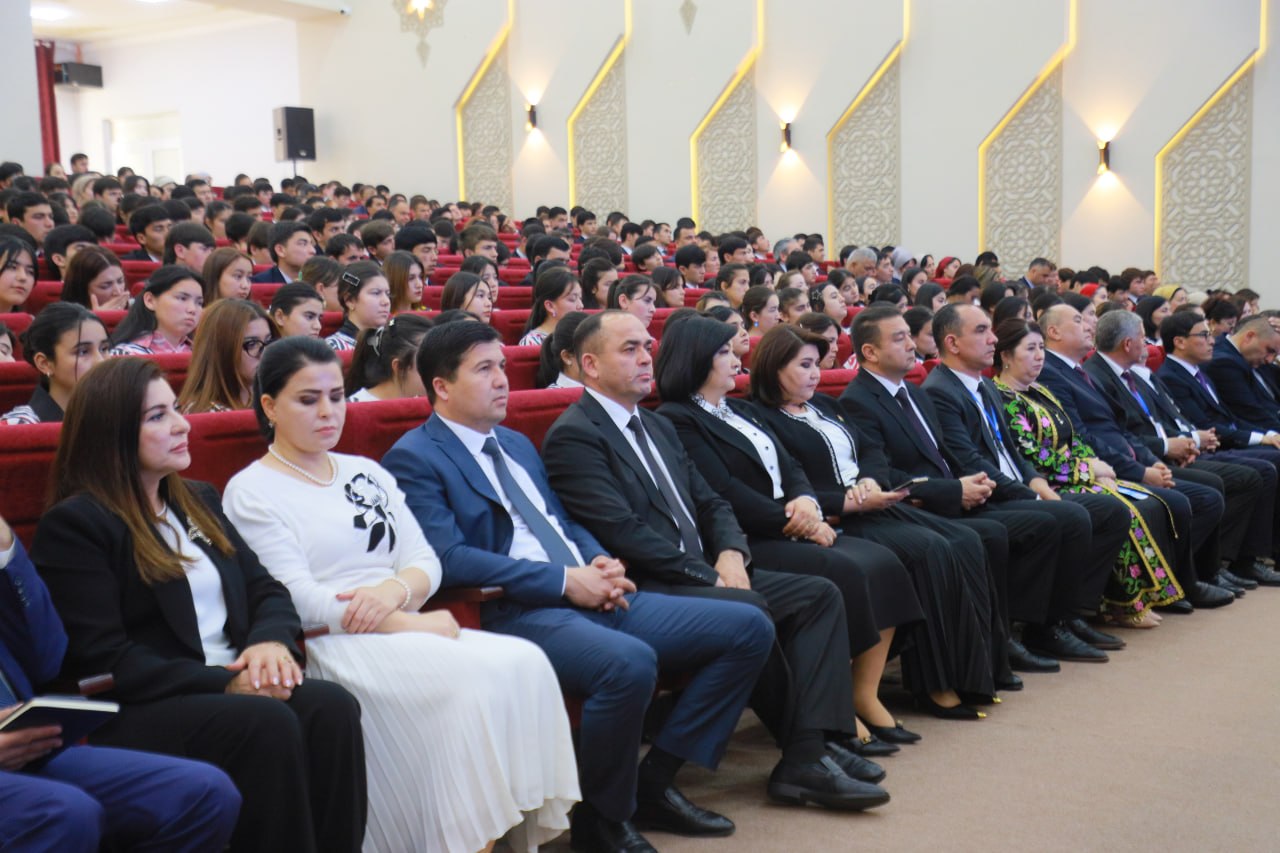
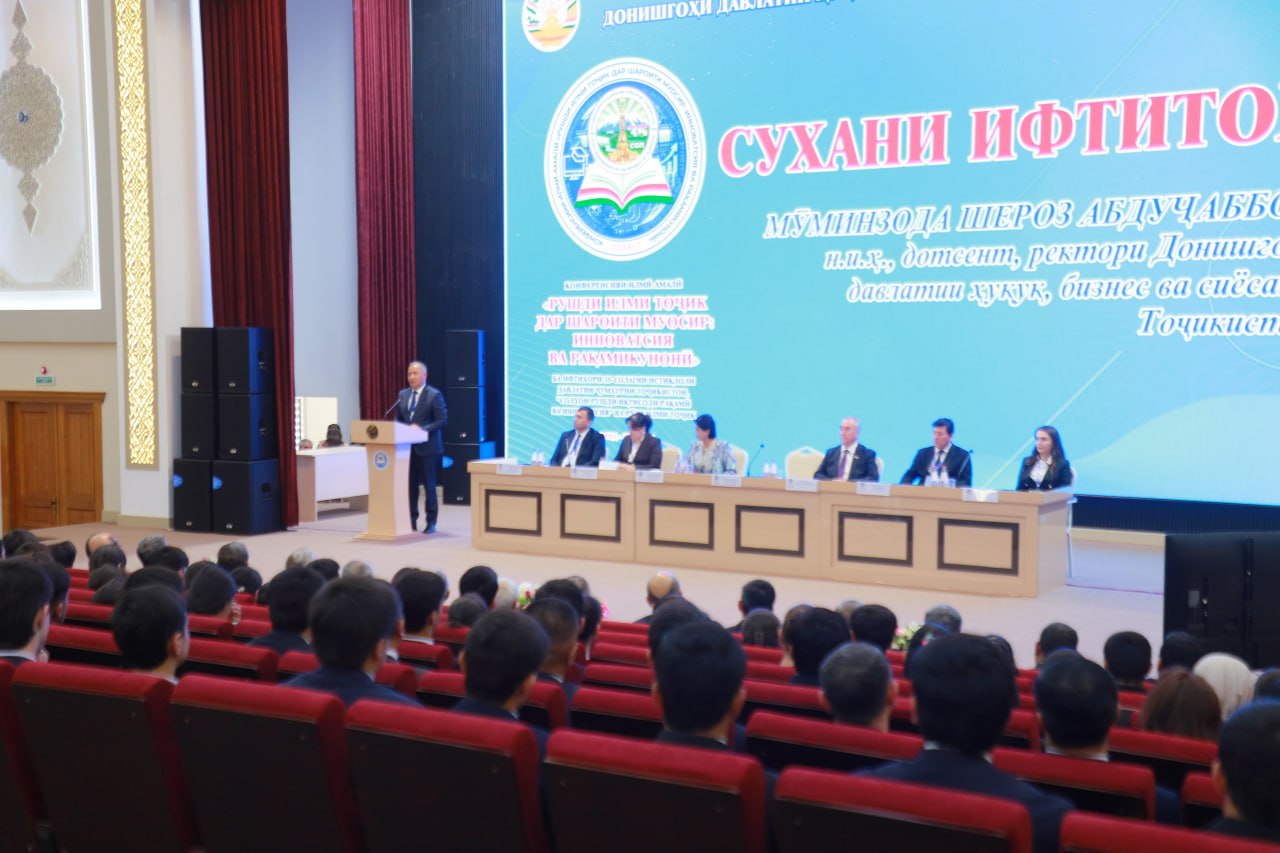
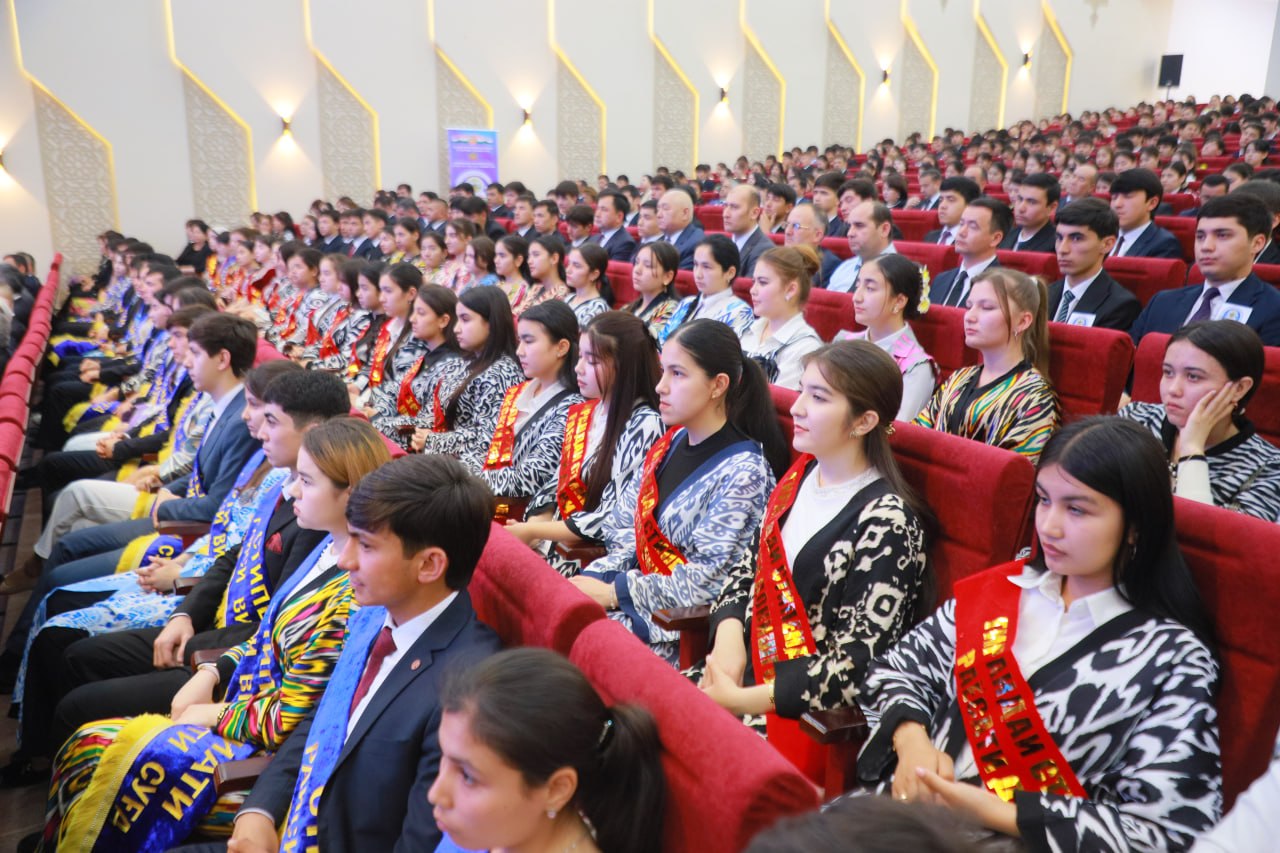
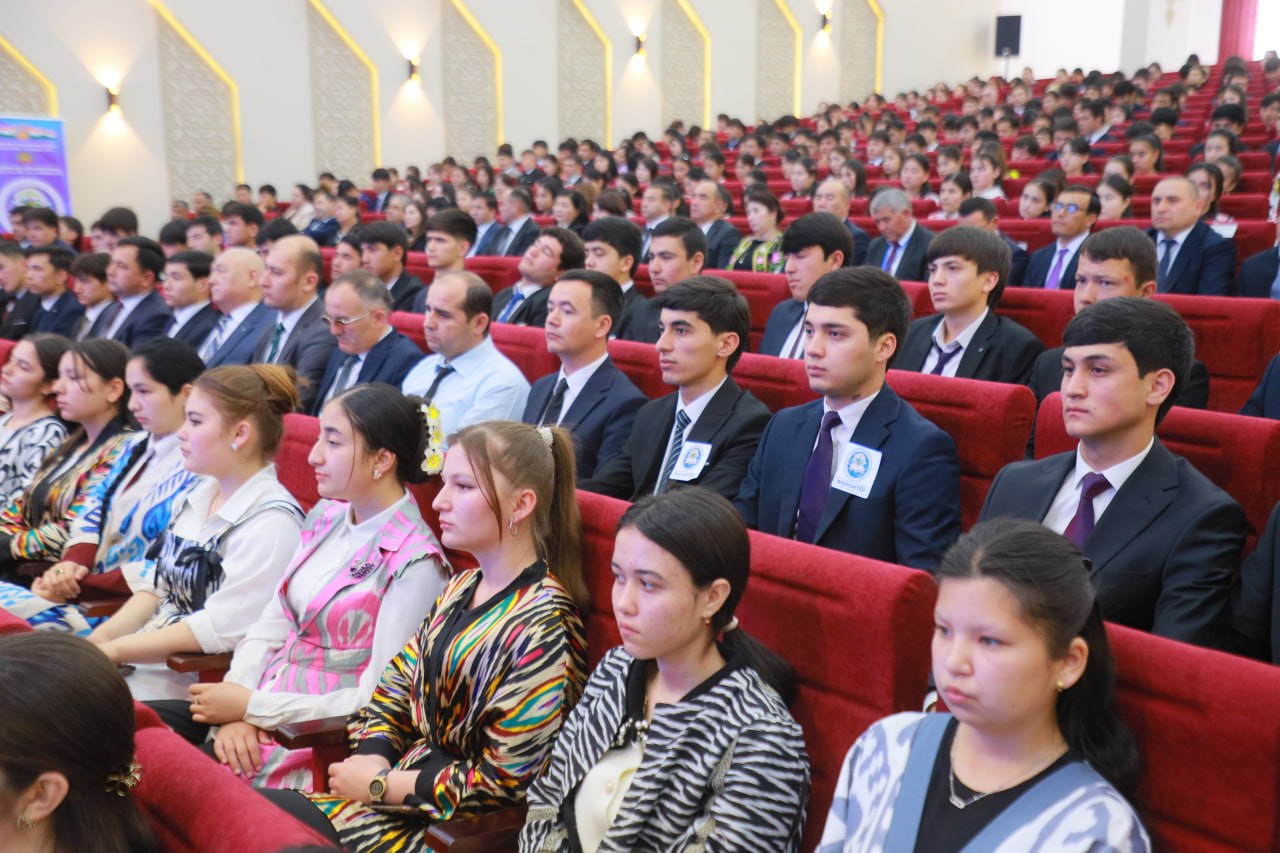
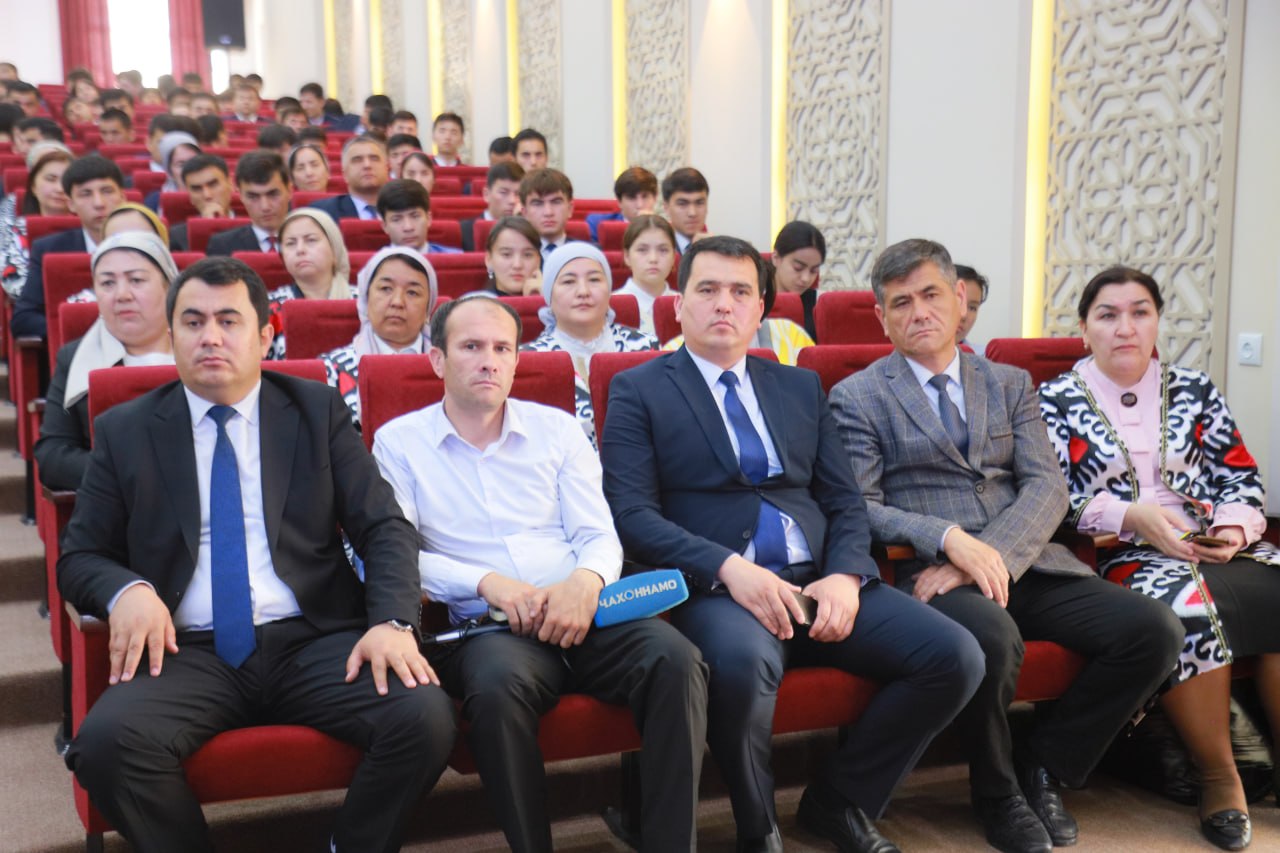
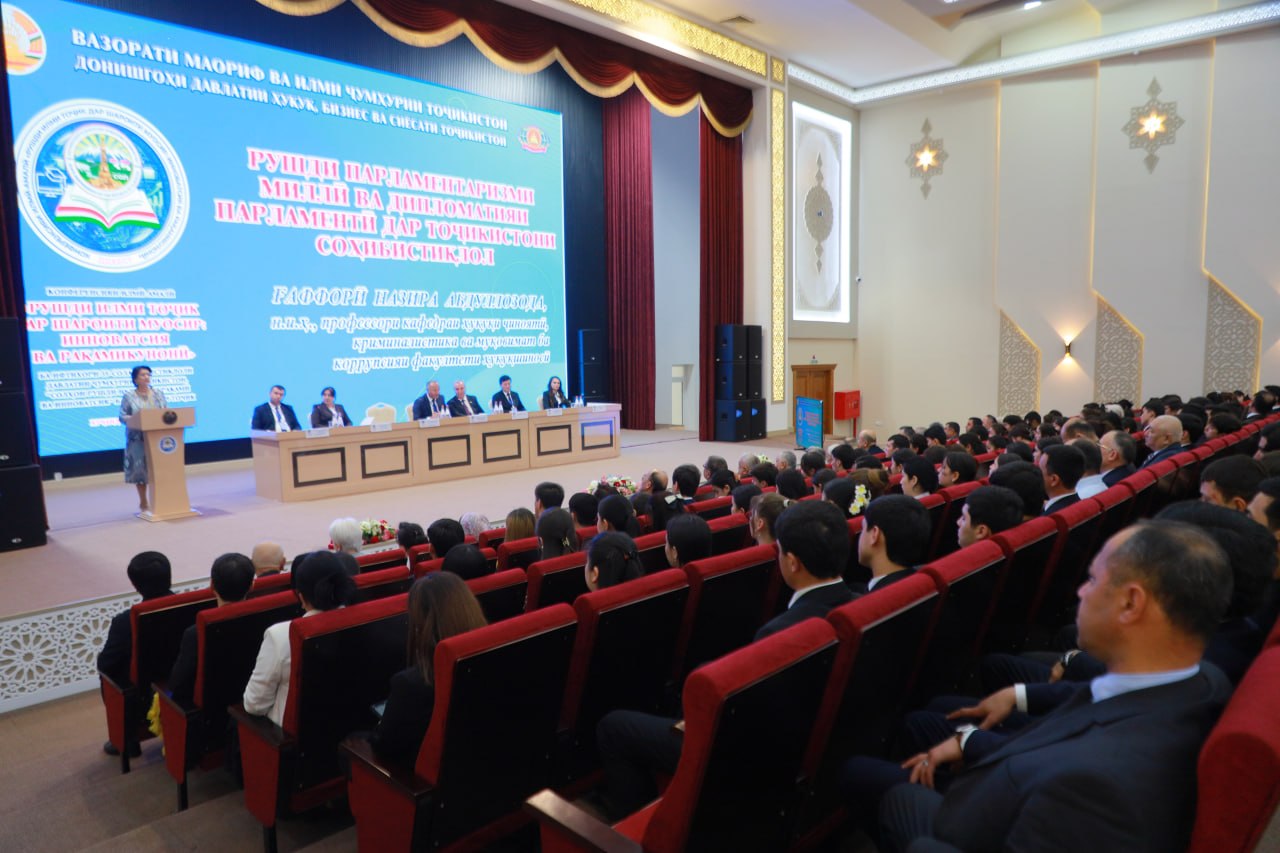
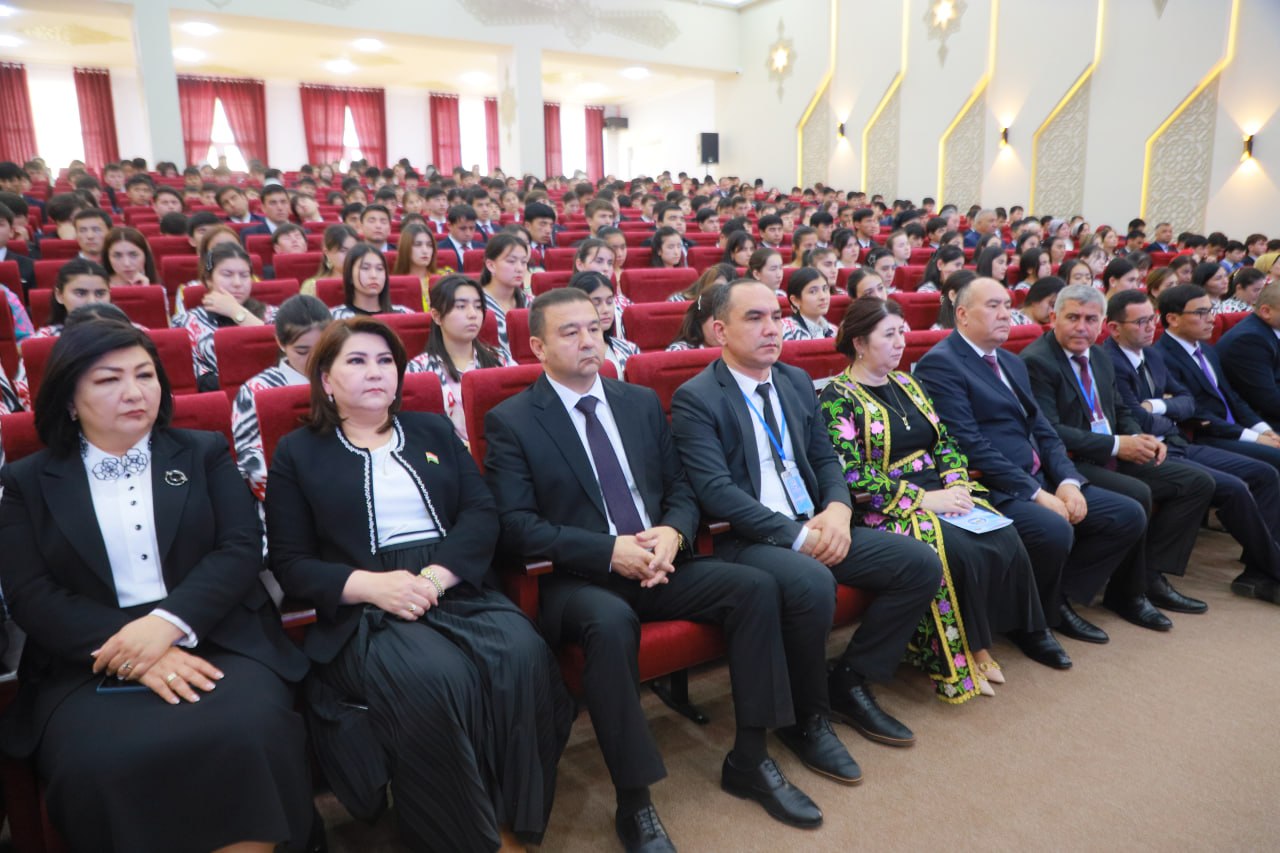
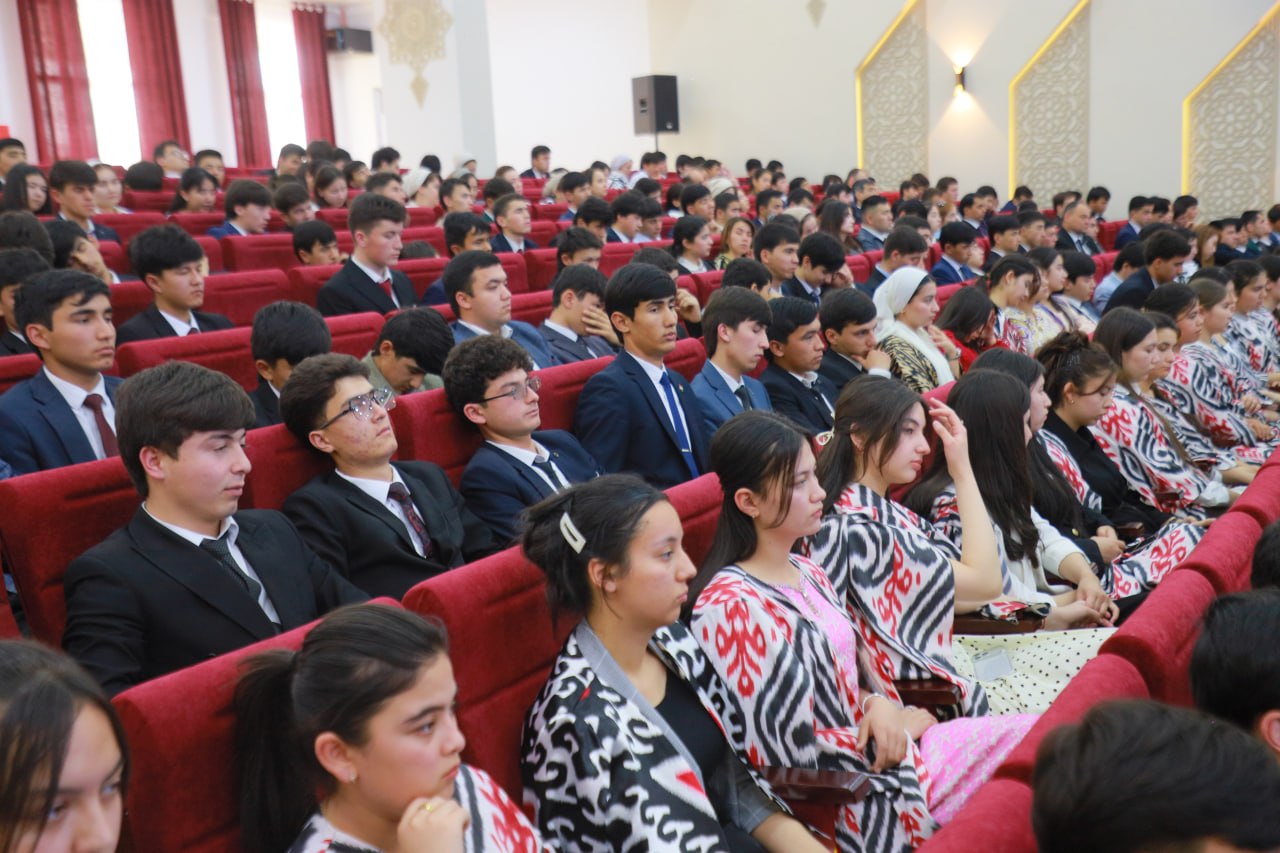
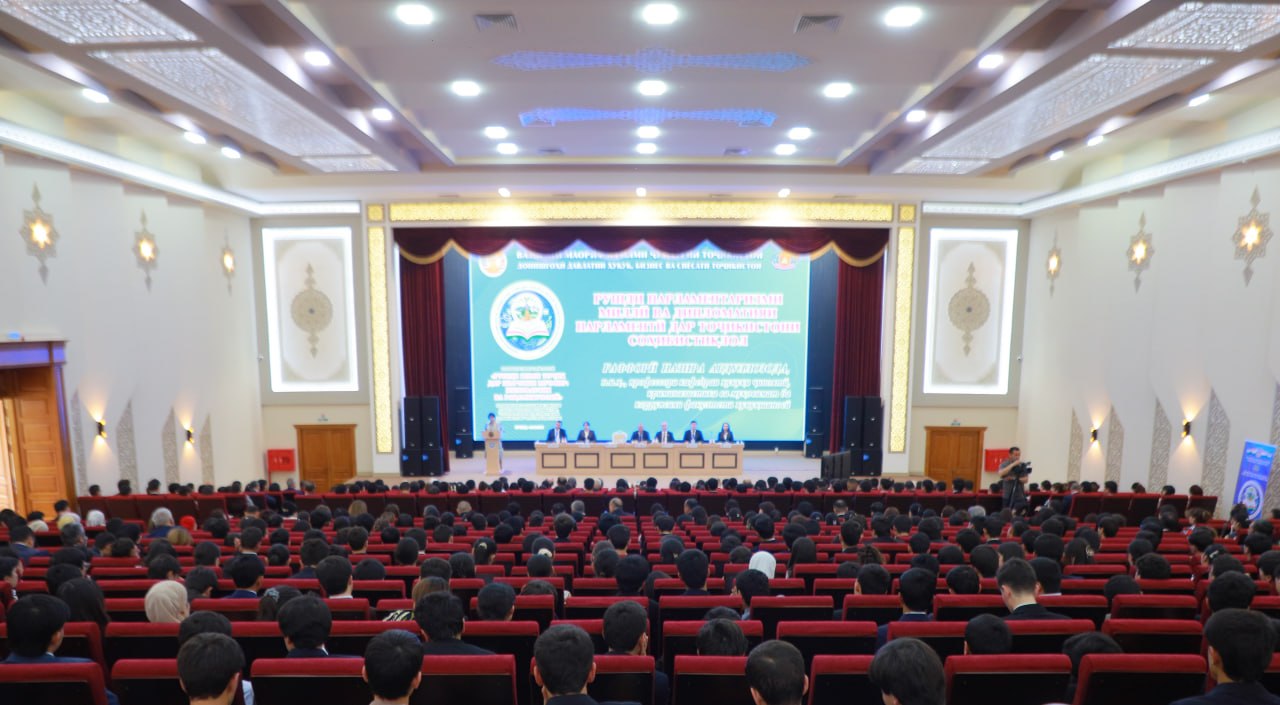
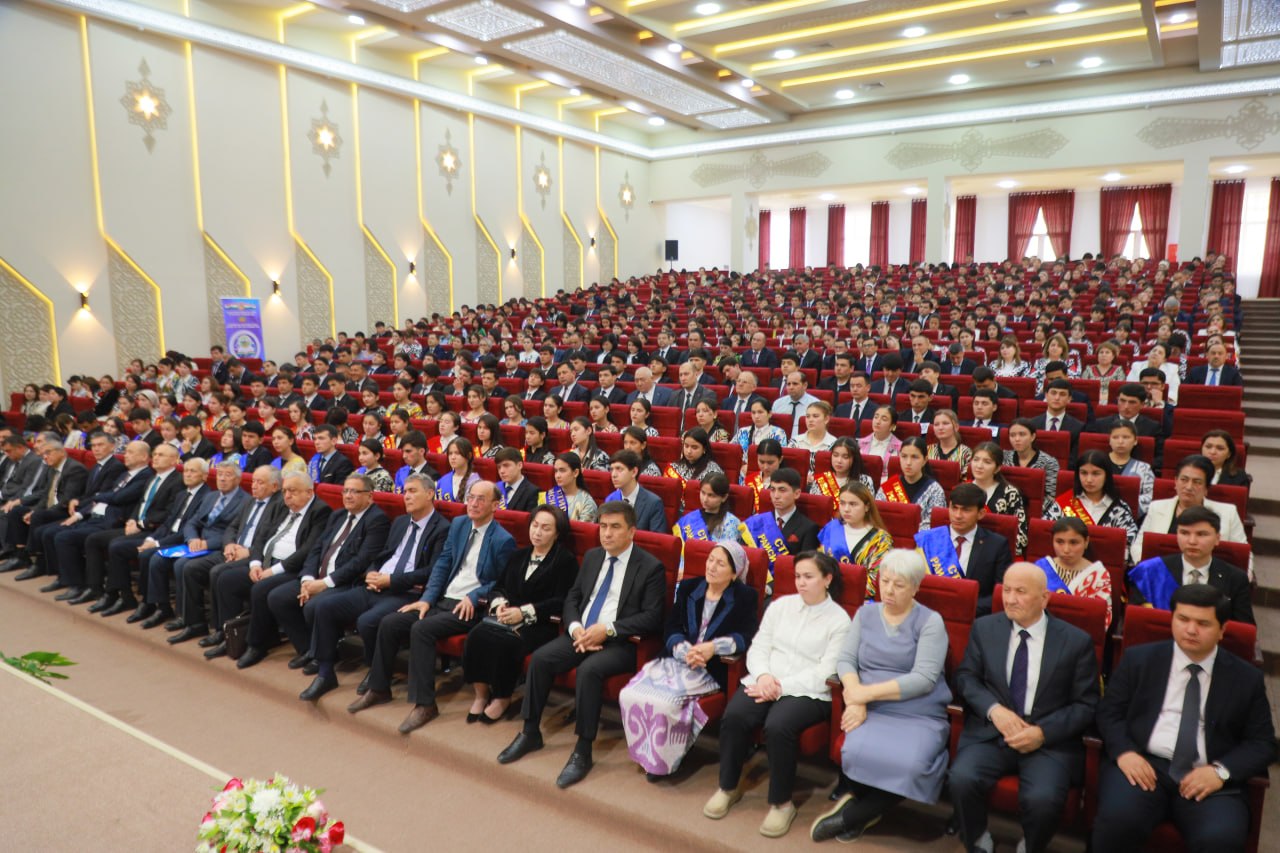
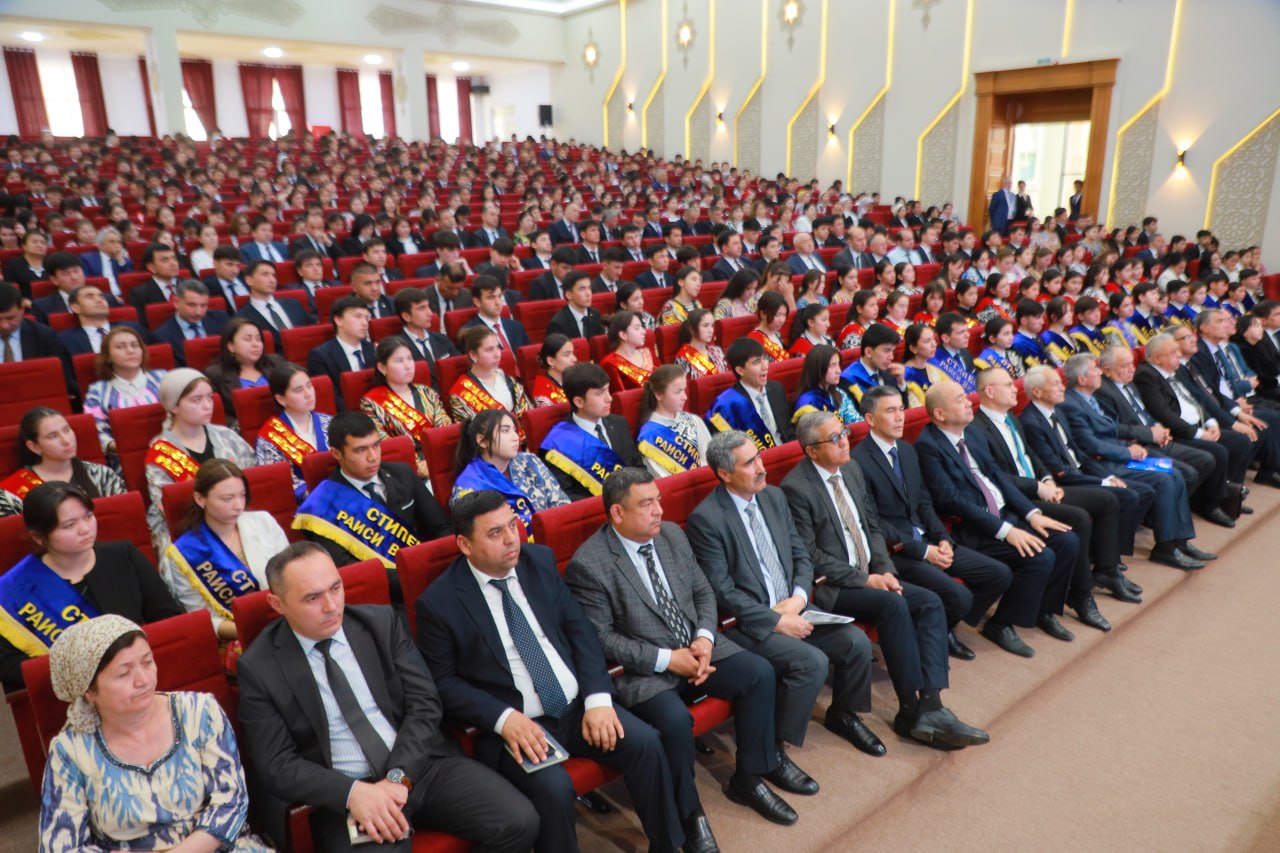
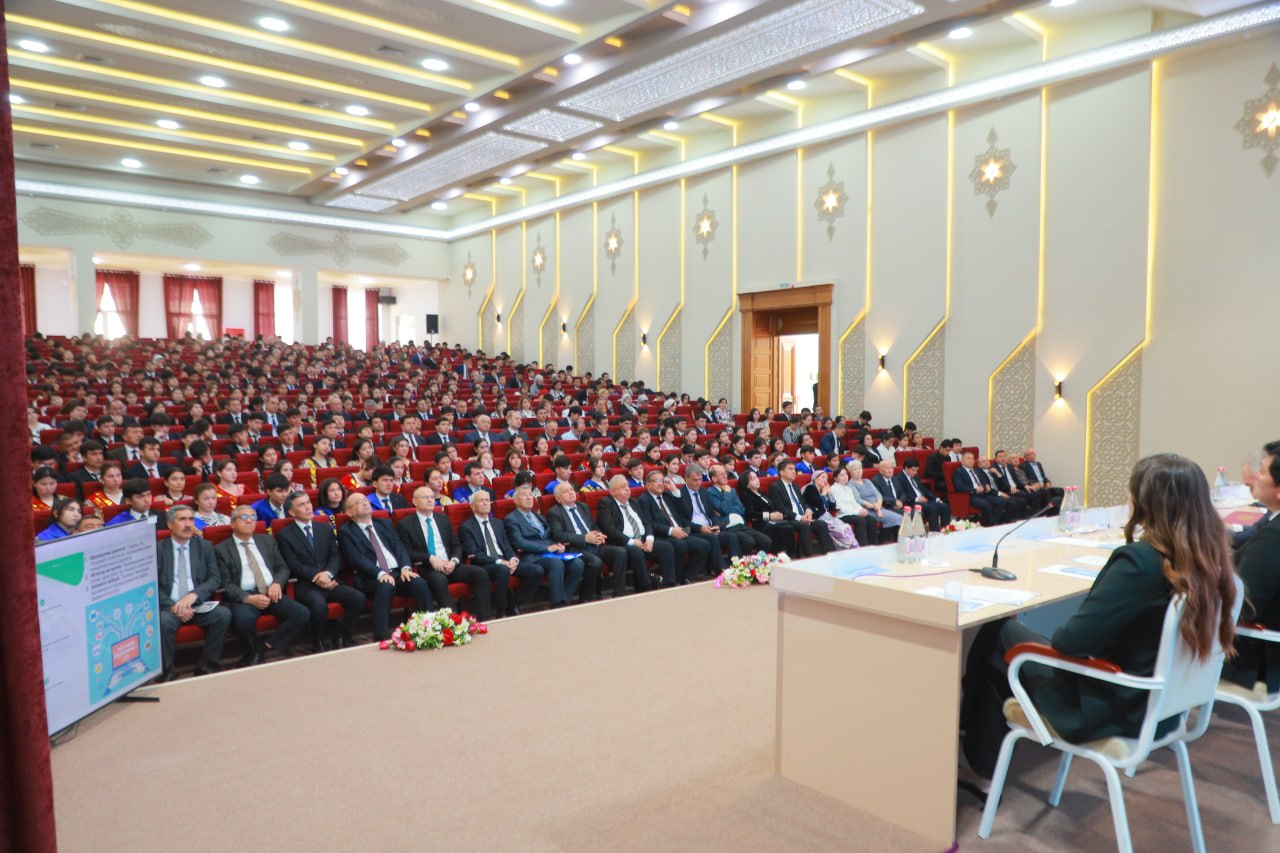
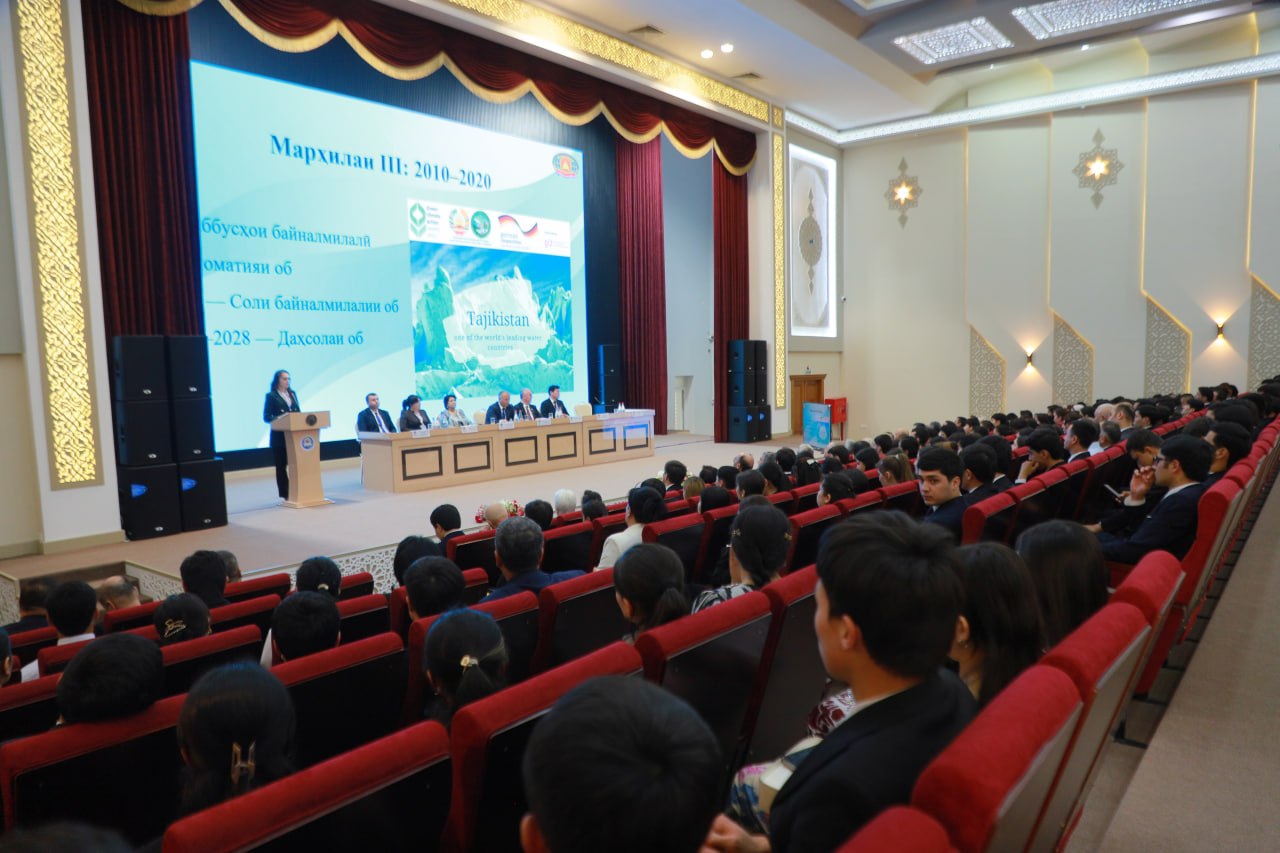
А scientific and practical conference entitled “Development of Tajik Science in Modern Conditions: Innovation and Digitalization” was held at the Tajik State University of Law, Business and Politics. The event was dedicated to the 35th anniversary of the State Independence of the Republic of Tajikistan, “Years of Development of Digital Economy and Innovation,” and the Day of Tajik Science. The conference brought together experts, scholars, researchers, industry specialists, as well as faculty members and students.
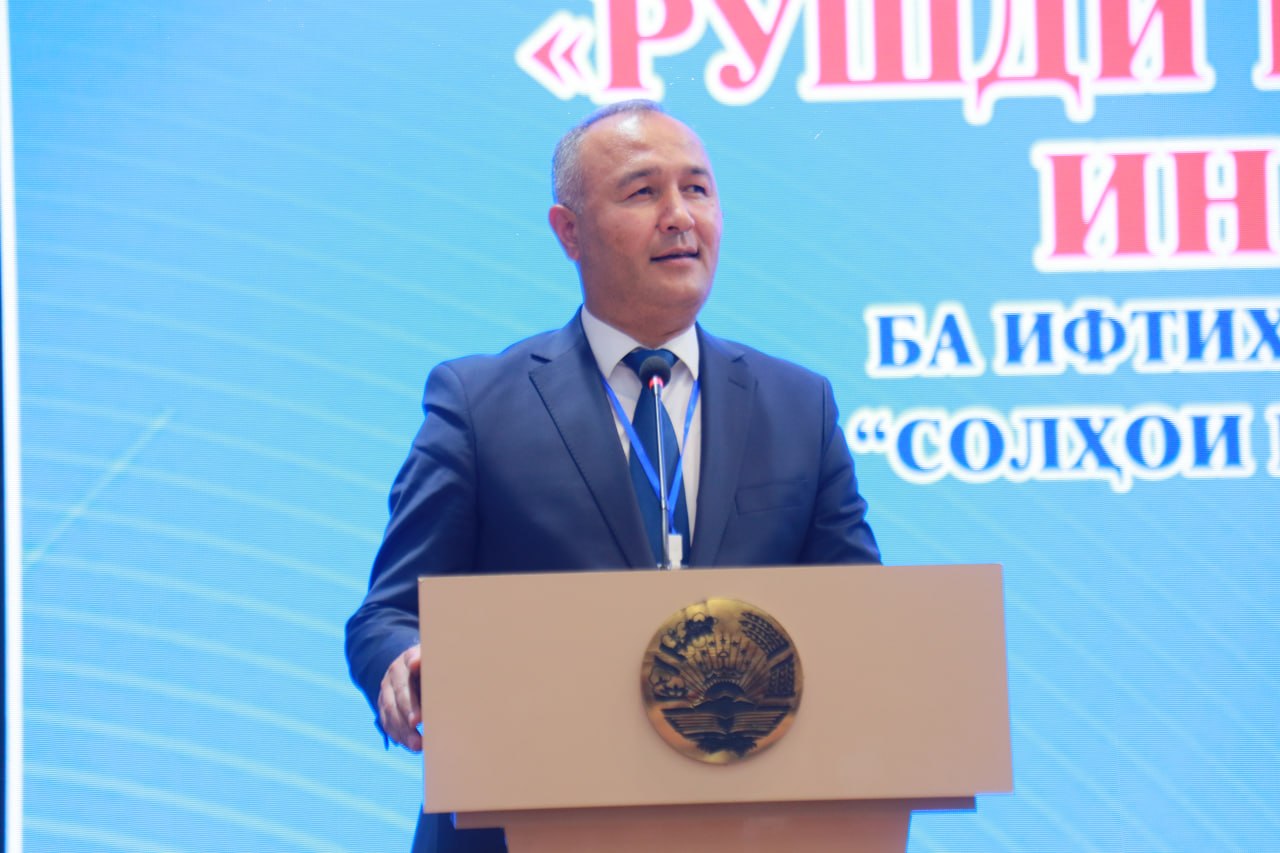
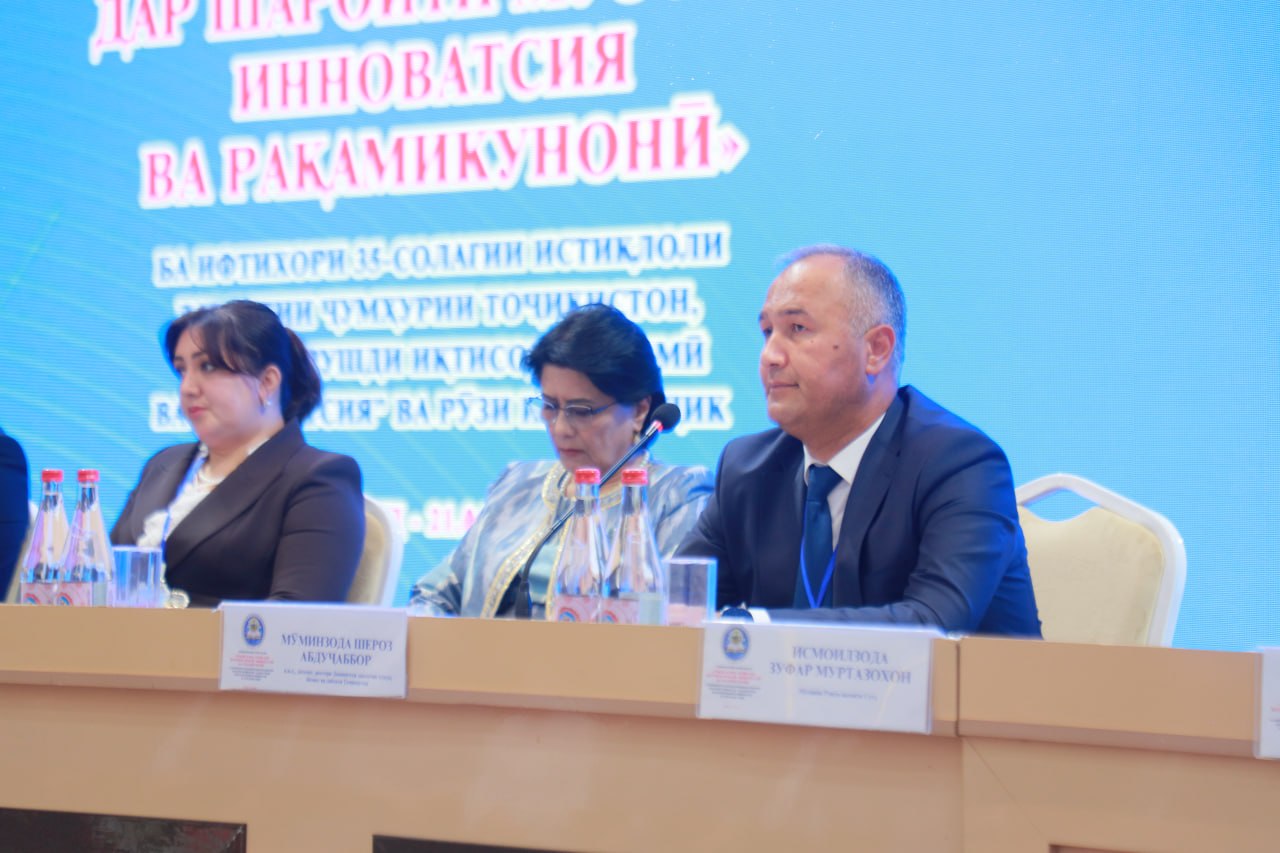
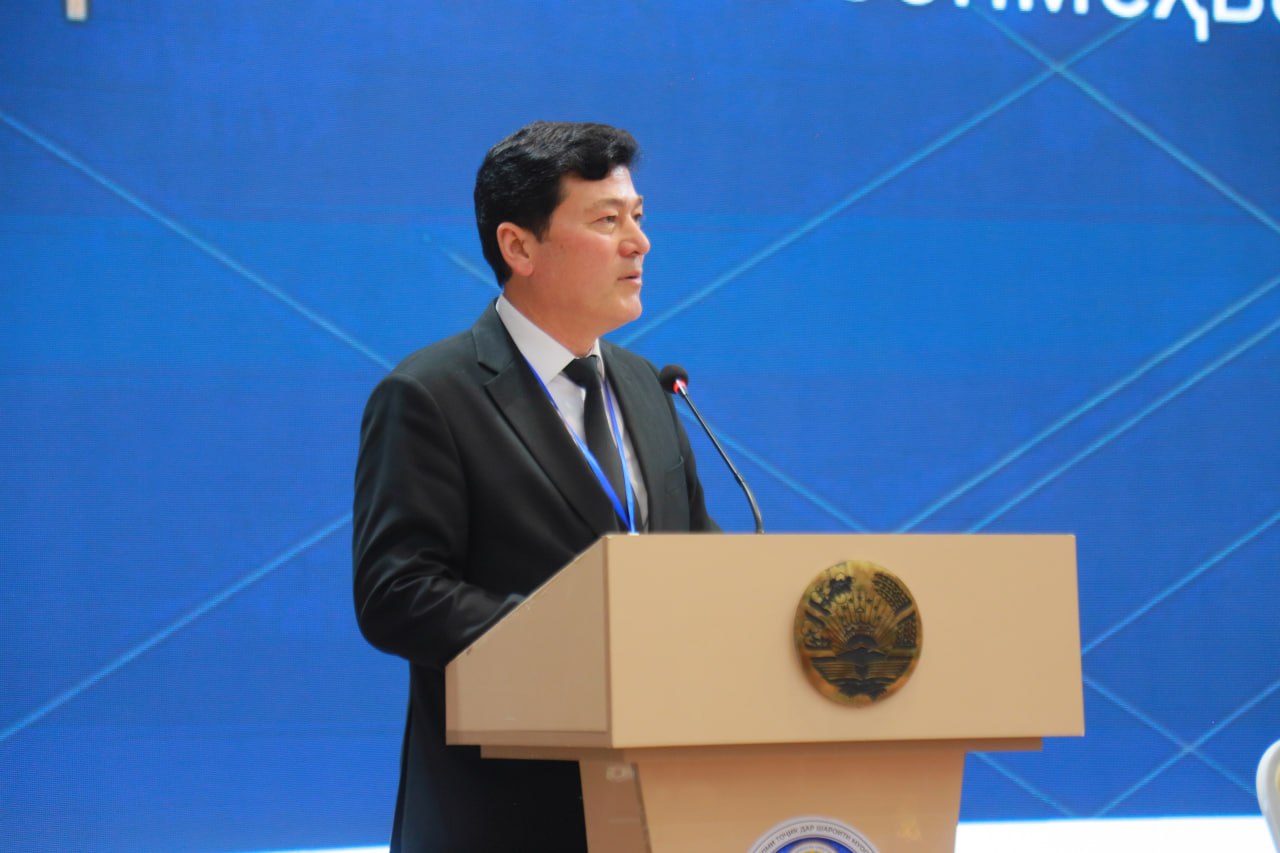
The plenary session was opened by a rector of the University, Sheroz Muminzoda, who noted that organization of Science Week at the university has become a well-established and meaningful tradition. This tradition serves not only to summarize annual scientific achievements but also to identify priority areas for future research development. This year’s event is being held in a festive and historically significant atmosphere, as it coincides with the 35th anniversary of State Independence, the Day of Tajik Science, and implementation of state policy in the development of a digital economy and innovation.
It was emphasized that state independence provided Tajik nation with a unique opportunity to choose its own path of development. In this process, science and education have been recognized as a foundation of sustainable development and societal progress. Thanks to continuous state and government support, and attention of the Founder of Peace and National Unity – Leader of Nation, President Emomali Rahmon, the field of science has entered a new stage of development. Scientific and educational institutions are now equipped with modern infrastructure, and favorable conditions have been created for the work of educators and researchers.
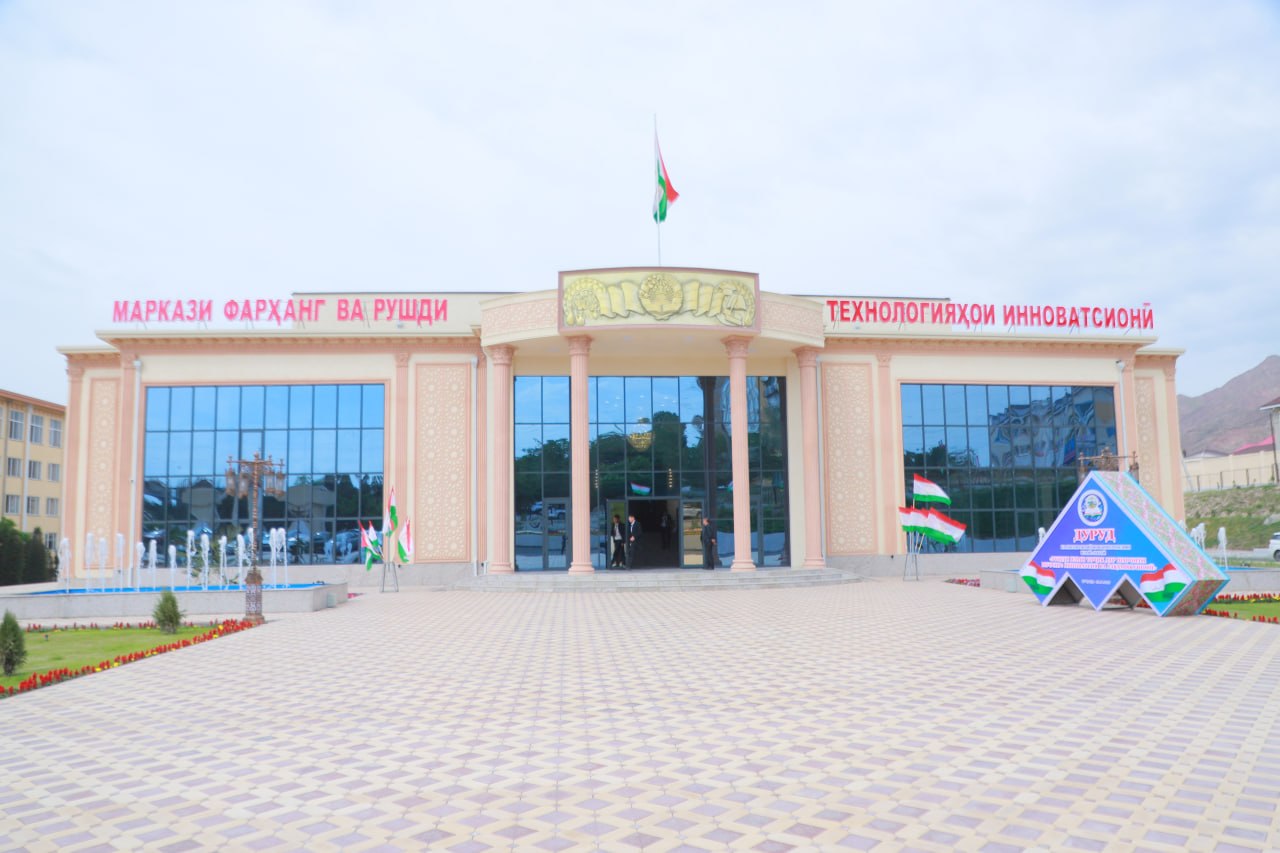
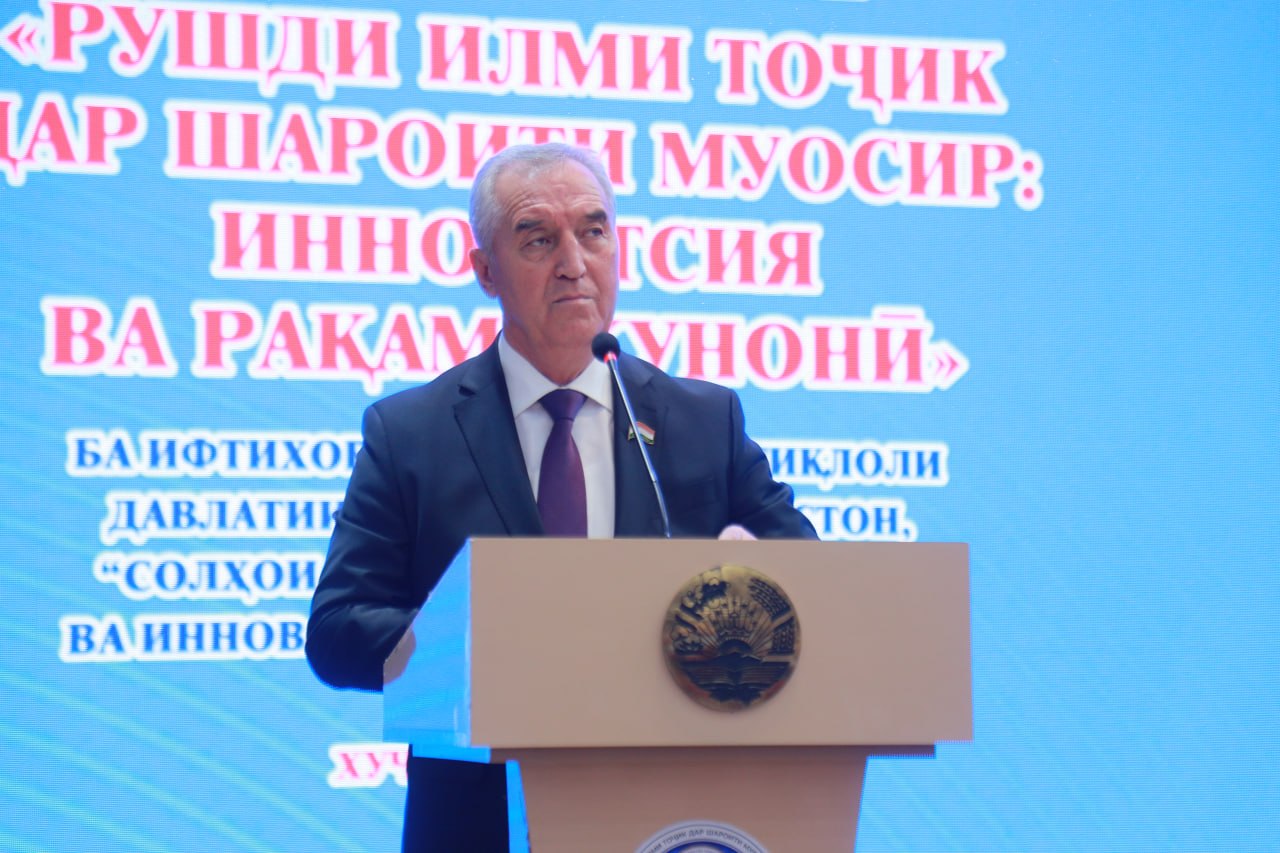
During the conference, Deputy Chairman of Sughd Region, Zufar Ismoilzoda, noted that opening of the Center for Culture and Development of Innovative Technologies at the university, with the Leader of the Nation’s participation, is an important step in strengthening university’s material and technical base. The center provides opportunities for students and researchers to engage in scientific activities in modern conditions and to implement innovative projects. In such circumstances, the main task of educational institutions is to train highly qualified and competitive specialists with not only theoretical knowledge but also practical skills, critical thinking, and the ability to use modern technologies.
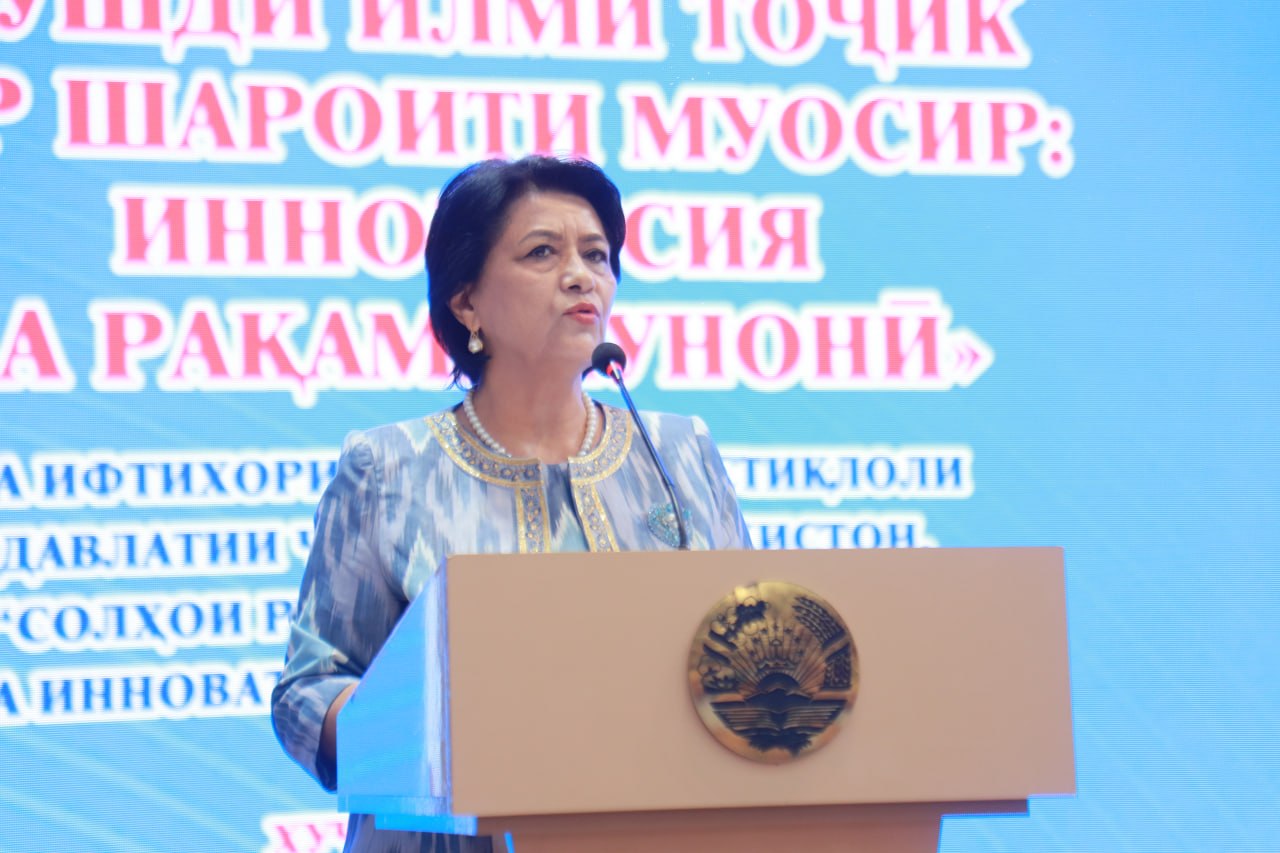
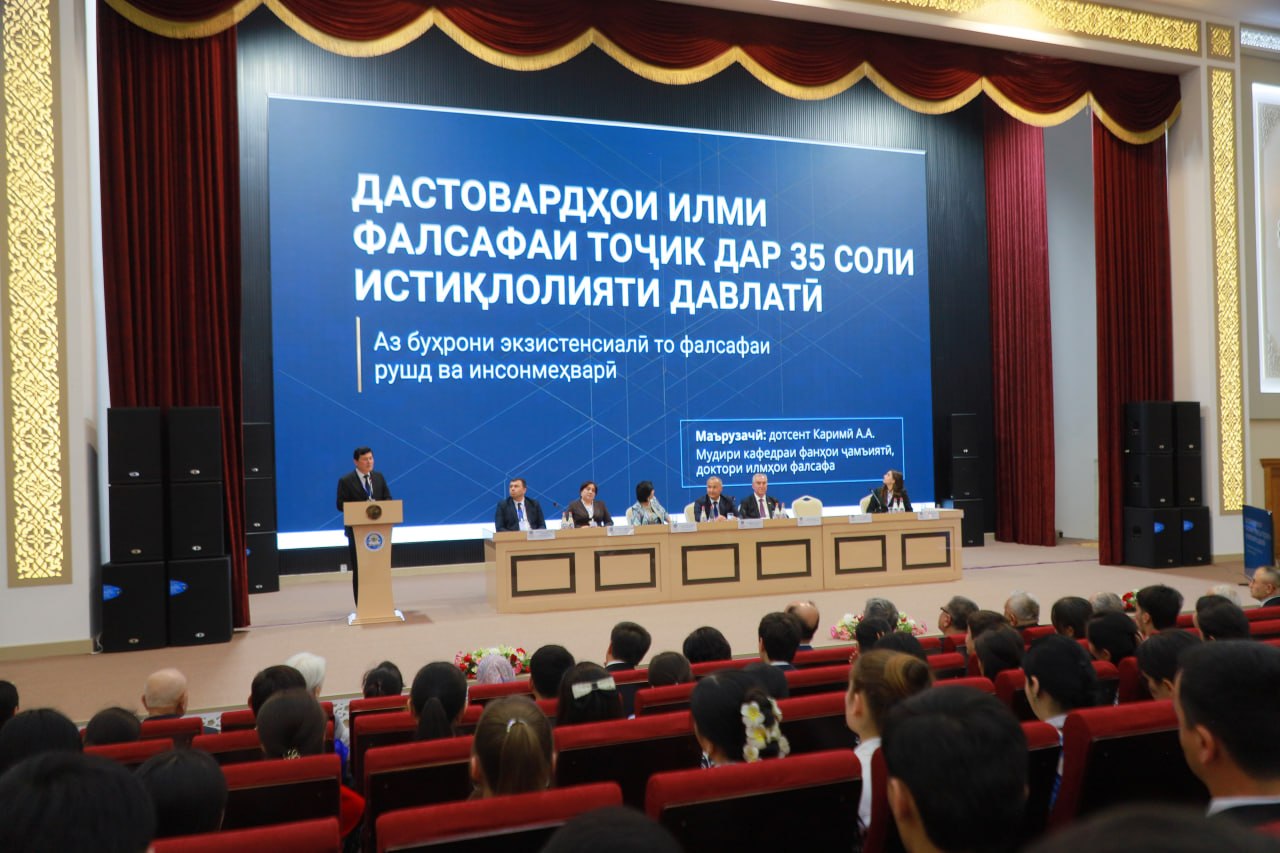
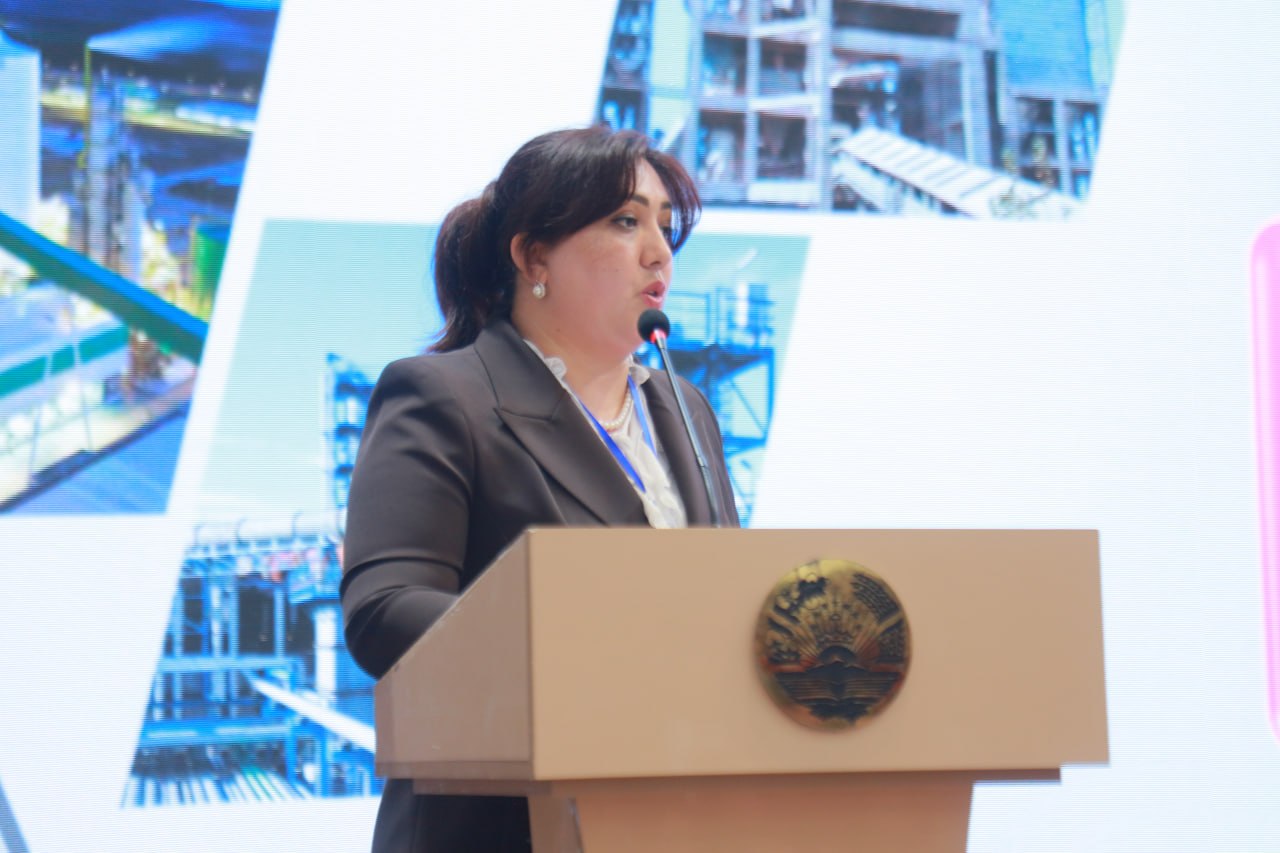
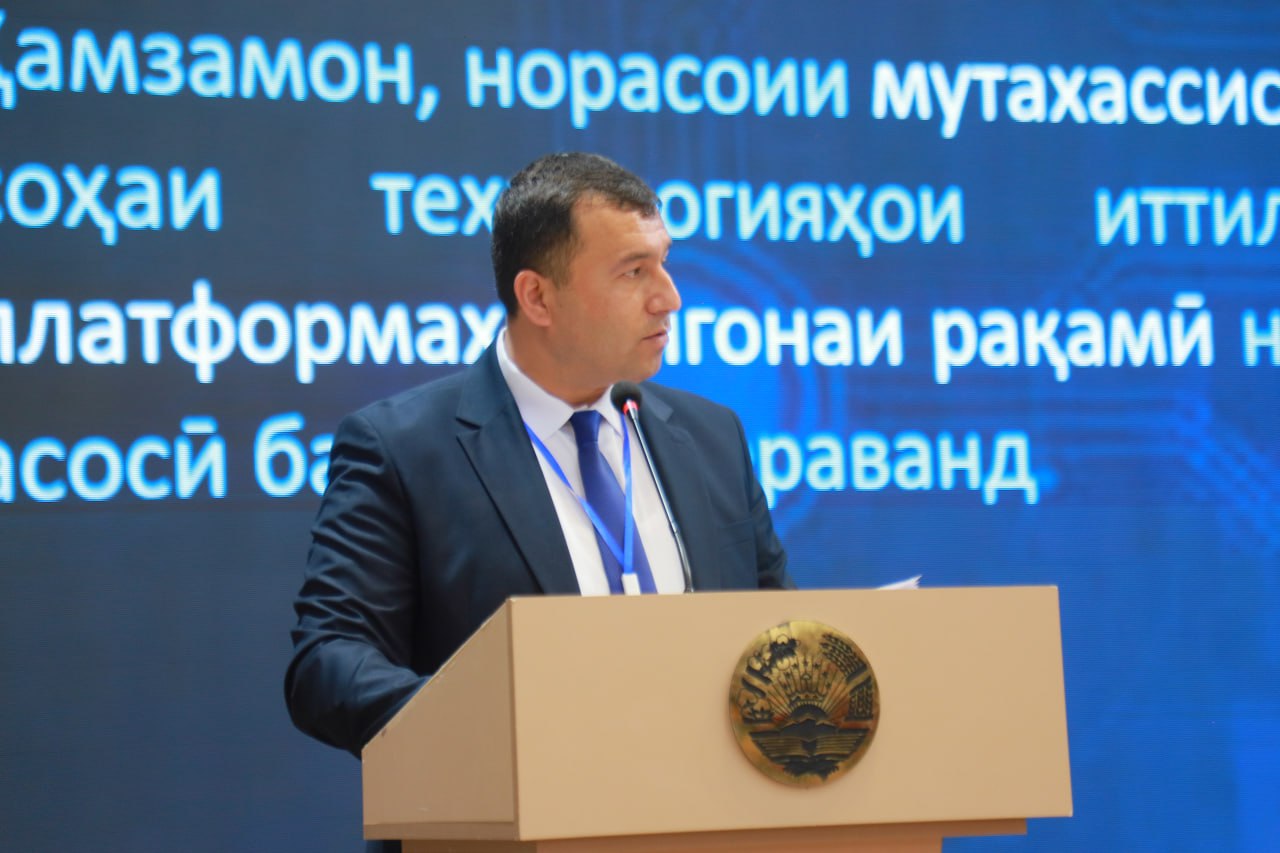
Presentations were also delivered by Professor Nazira Gaffori on “Development of National Parliamentarism and Parliamentary Diplomacy in Independent Tajikistan,” Associate Professor and chief of the chair Aslam Karimi on “Achievements of Tajik Philosophy over 35 Years of Independence,” Associate Professor Shifoatkhon Sharipova on “Industrialization as a Key Factor in the Development of a Digital Economy,” Senior Lecturer A’lokhon Bobozoda on “Digitalization of Education System: Challenges, Efficiency, and Prospects,” and Master’s student Umeda Mirzokhujayeva on “International Relations of the Republic of Tajikistan during Independence.”
Speakers highlighted that in recent years, development of a digital economy has become one of the key priorities of the Government of the Republic of Tajikistan. In the modern world, rapid advancements in information technology and digitalization require establishment of modern infrastructure, innovative institutions, and training of highly qualified specialists, with a digital economy serving as a primary driver of national development.
Only through the implementation of these measures the country may achieve competitiveness on international stage and ensure a bright future for the younger generation.
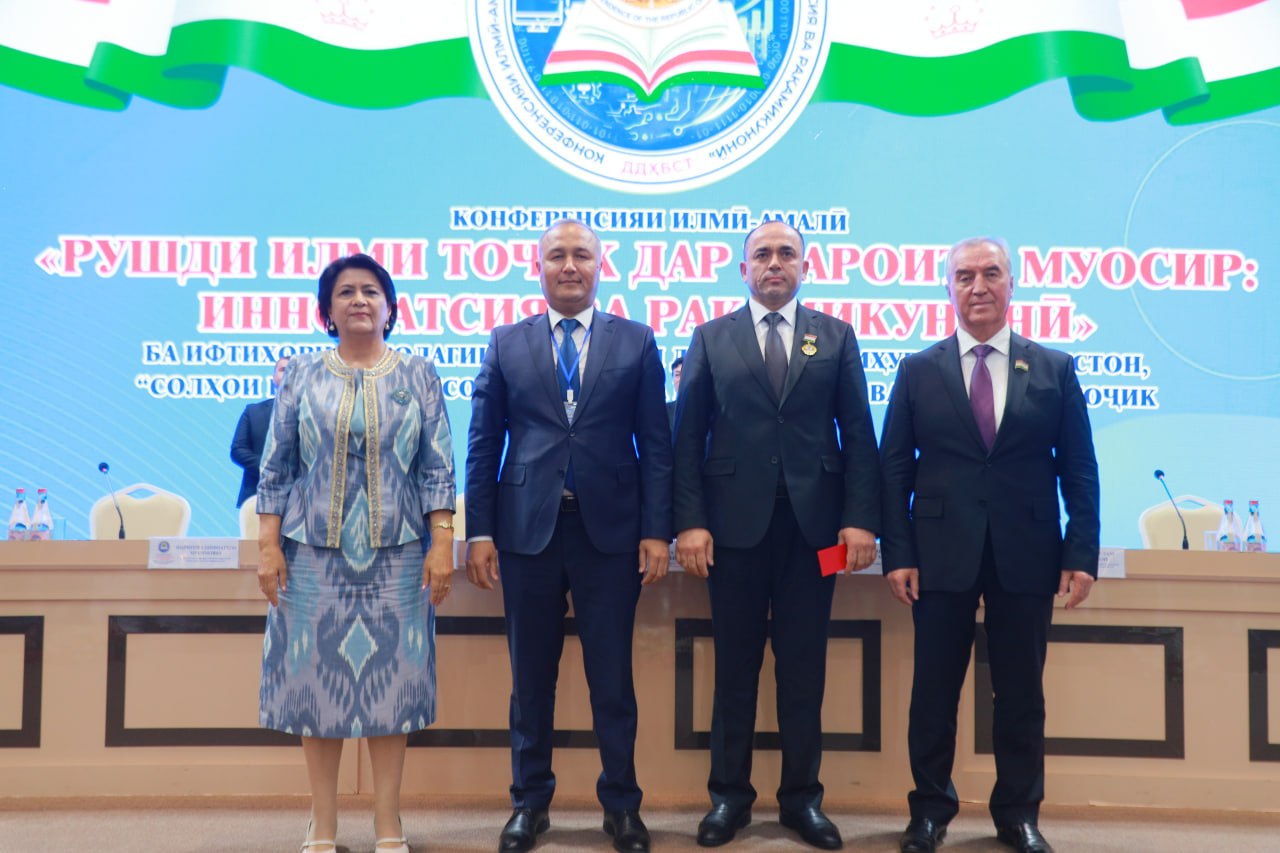
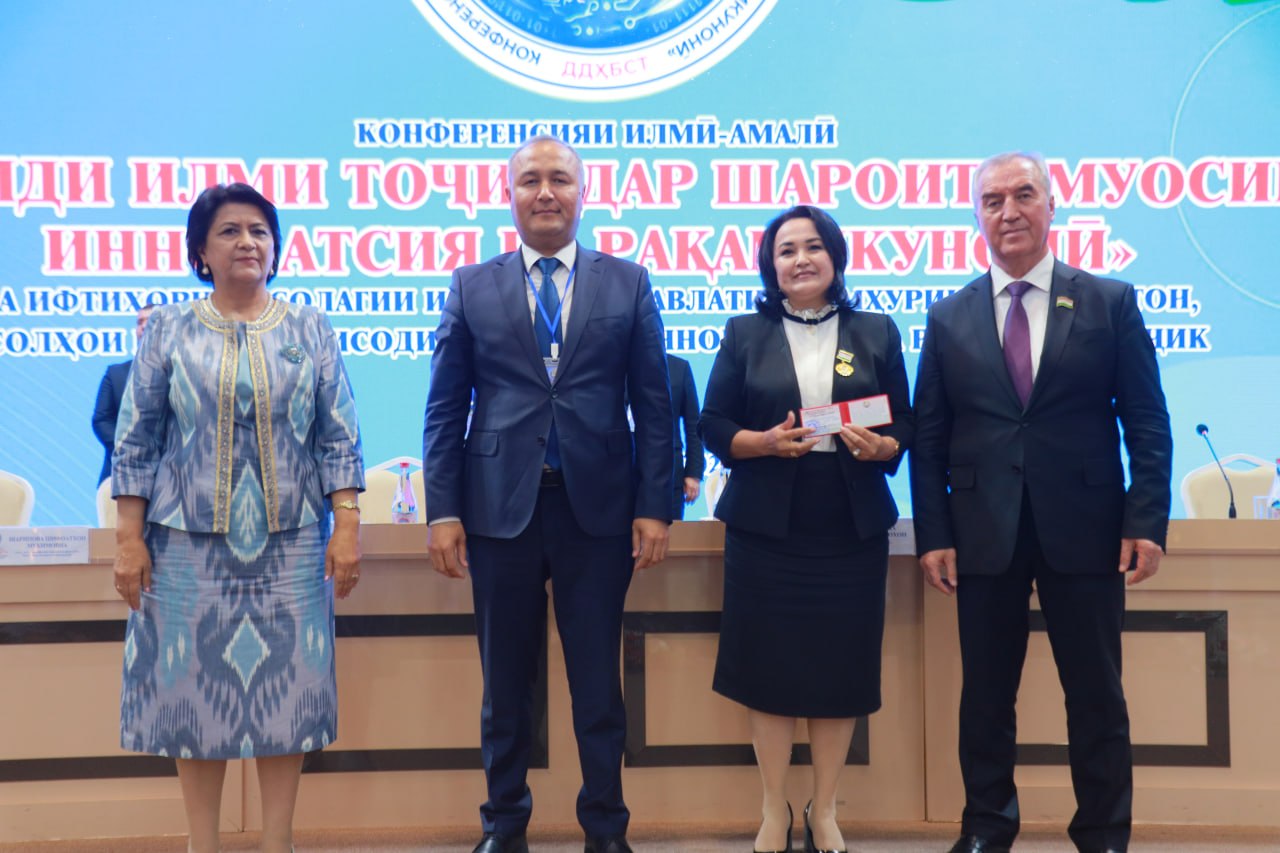
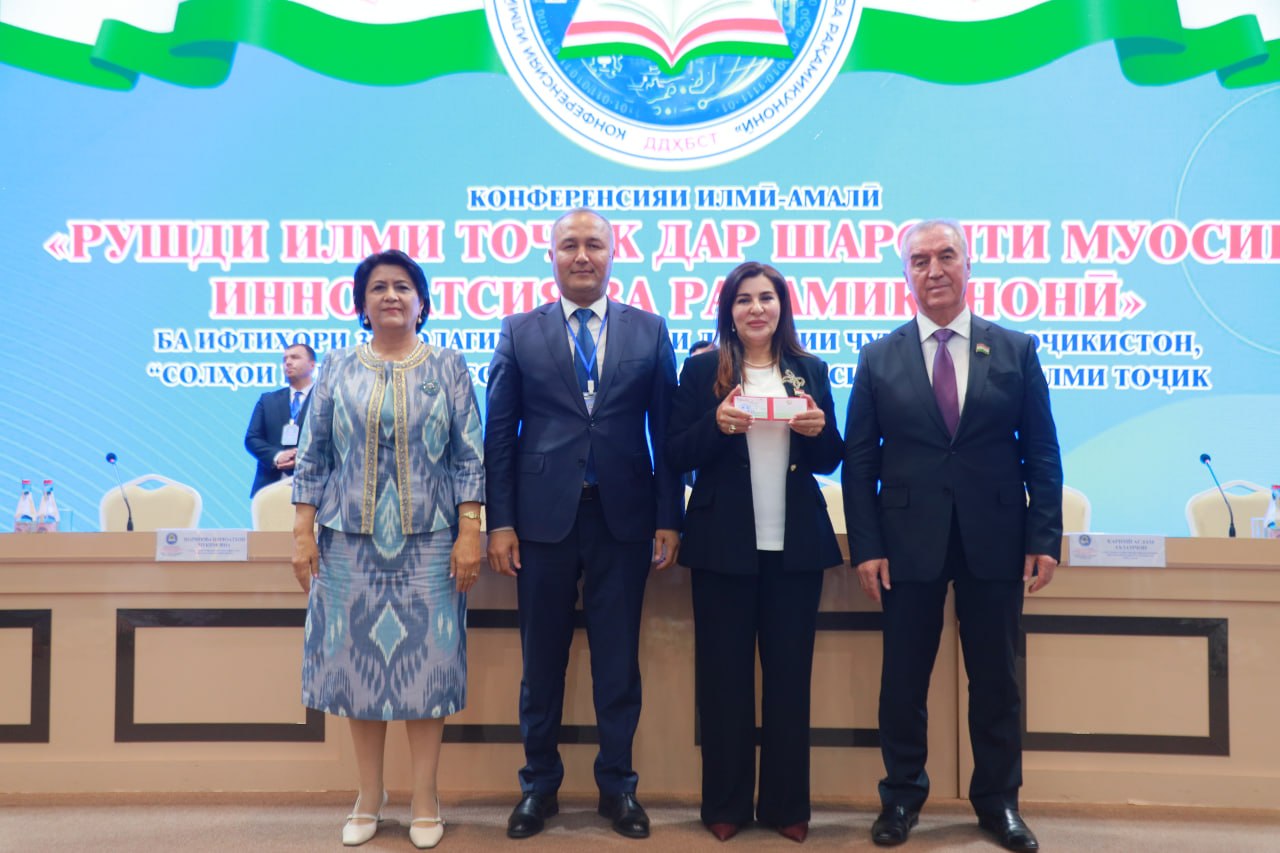
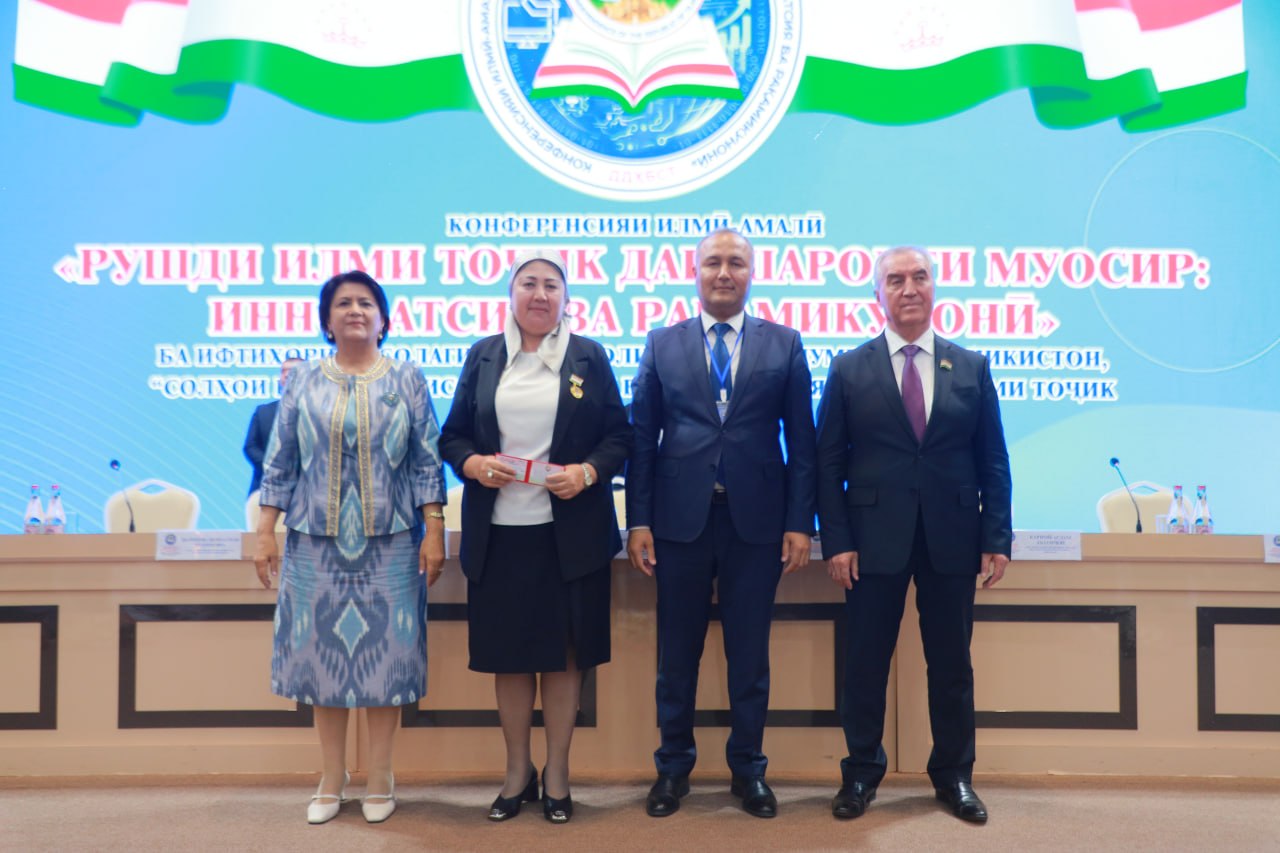
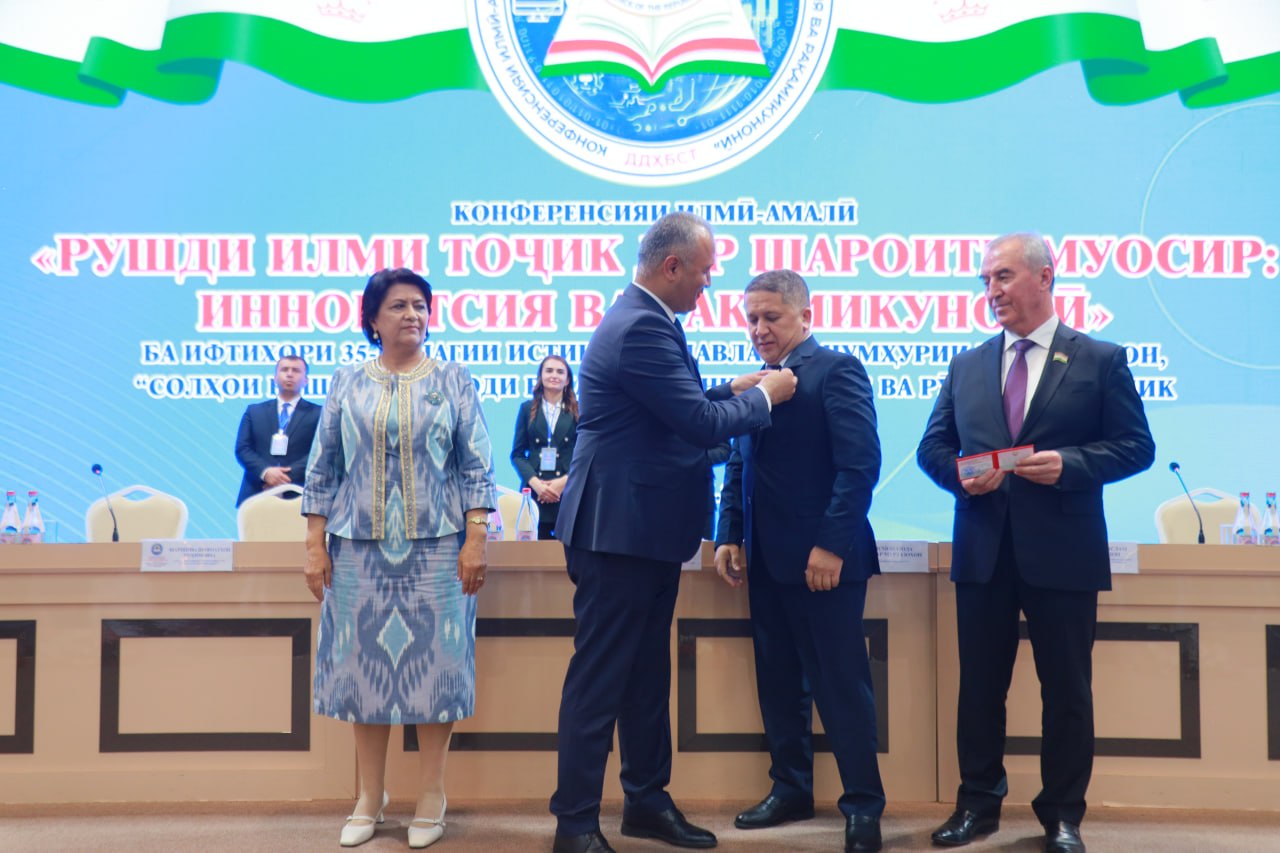
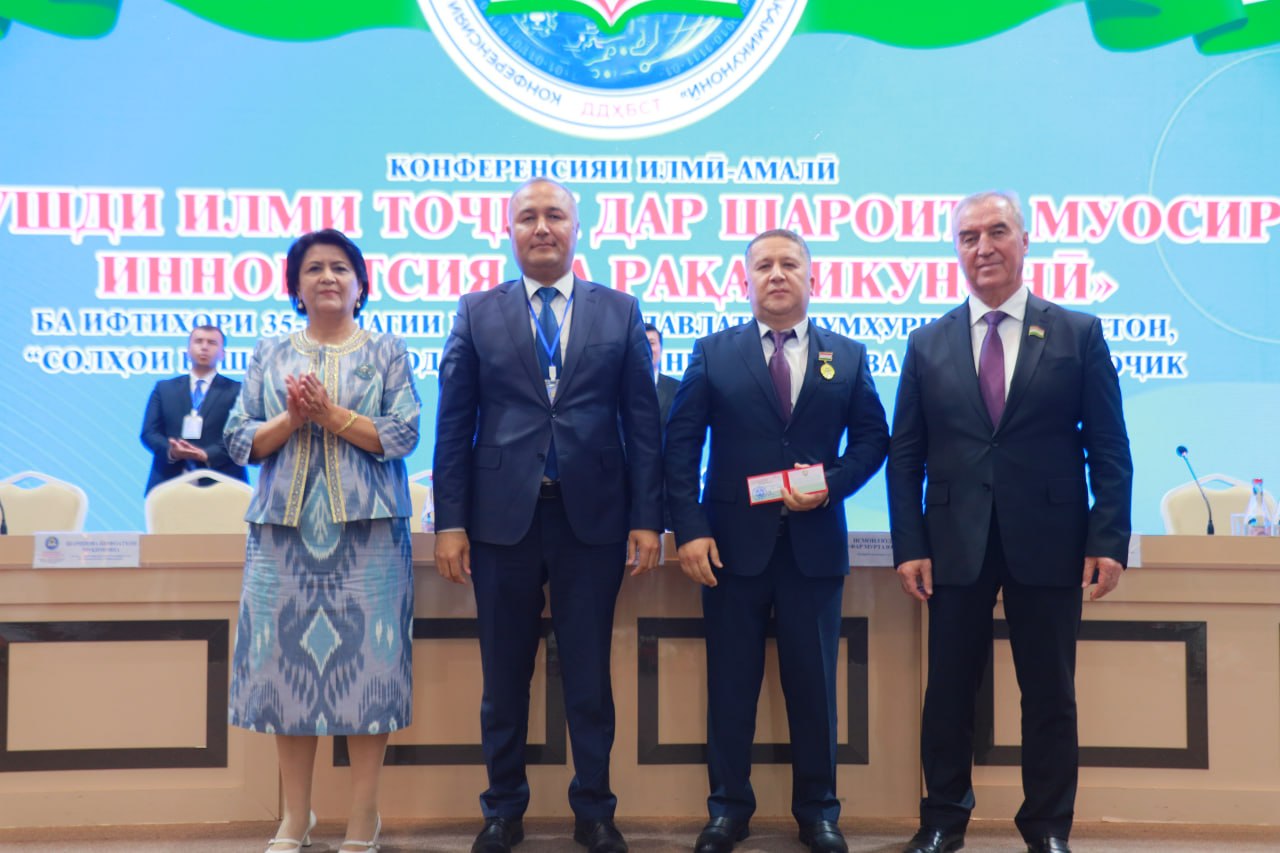
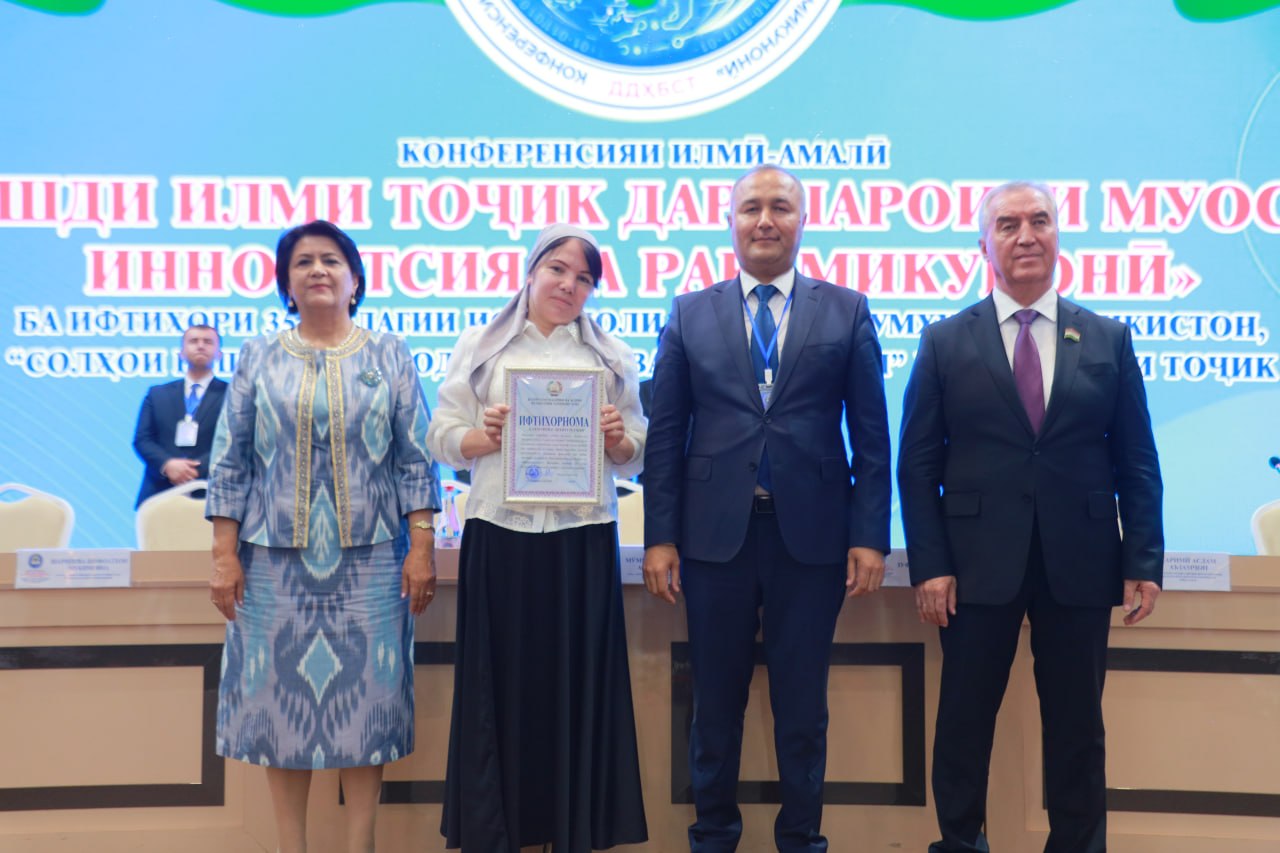
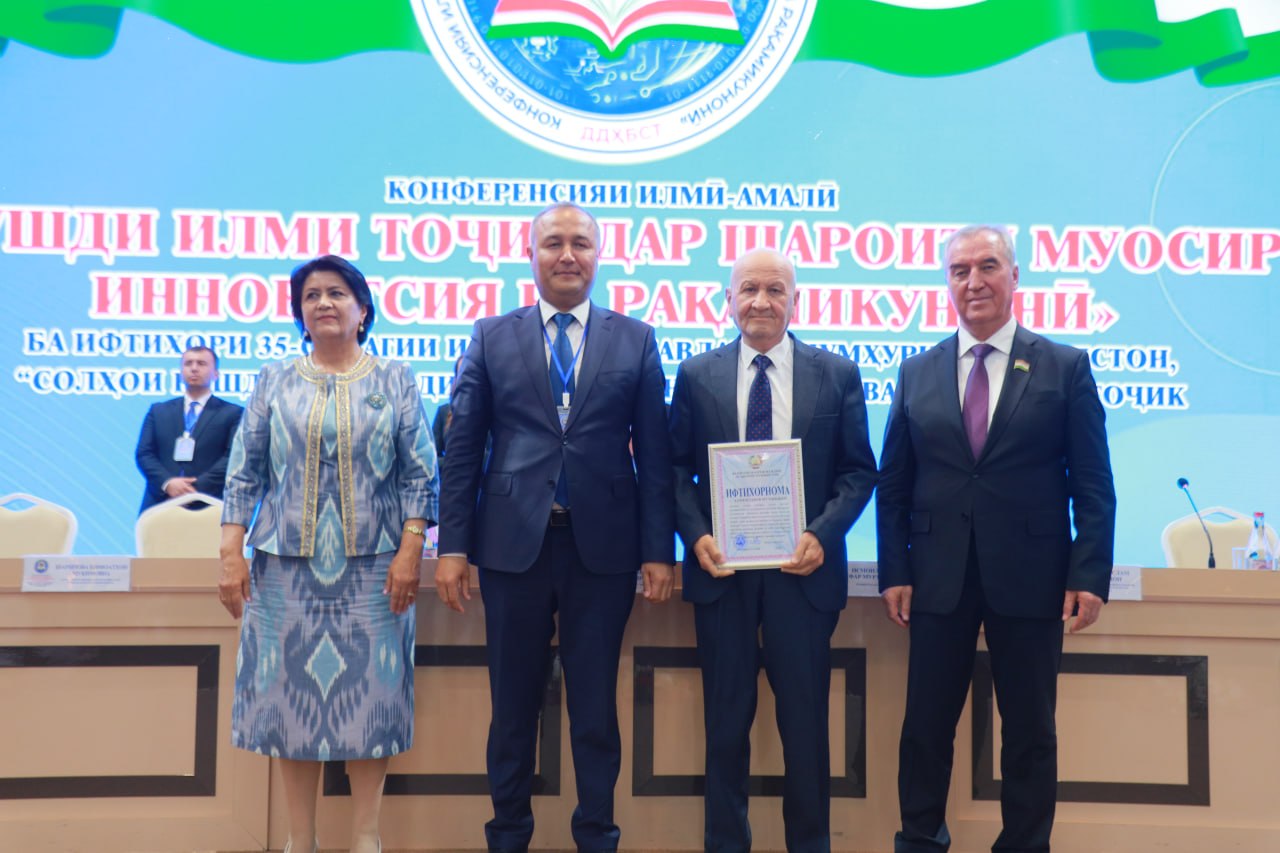
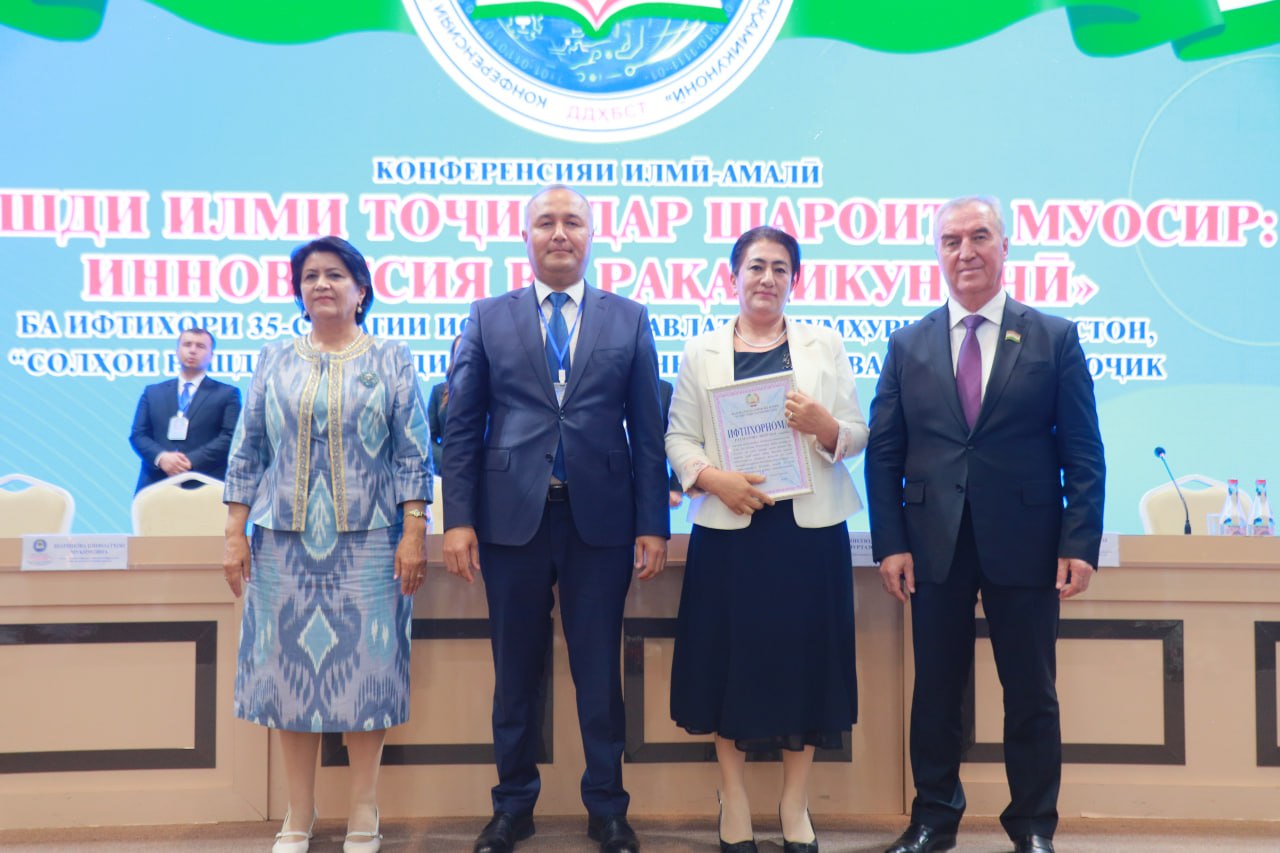
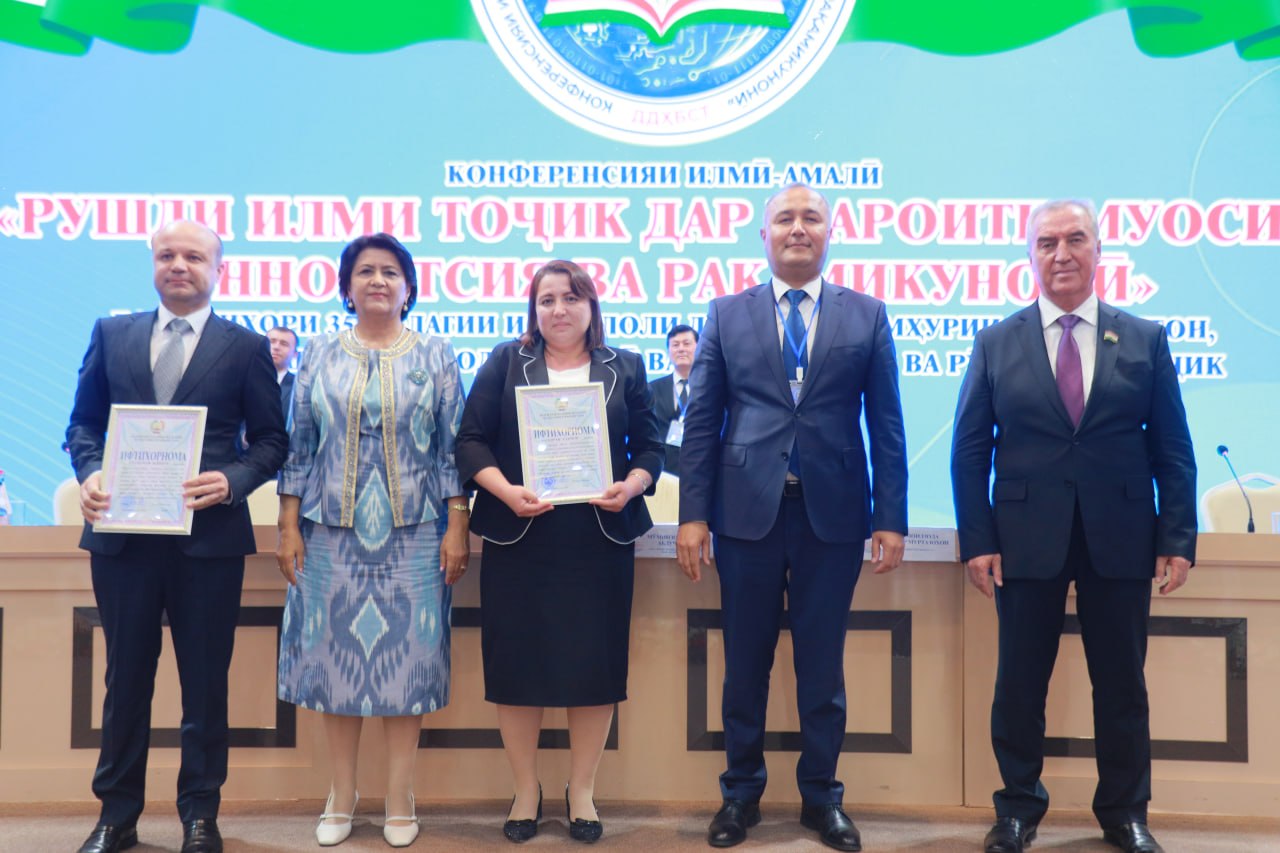
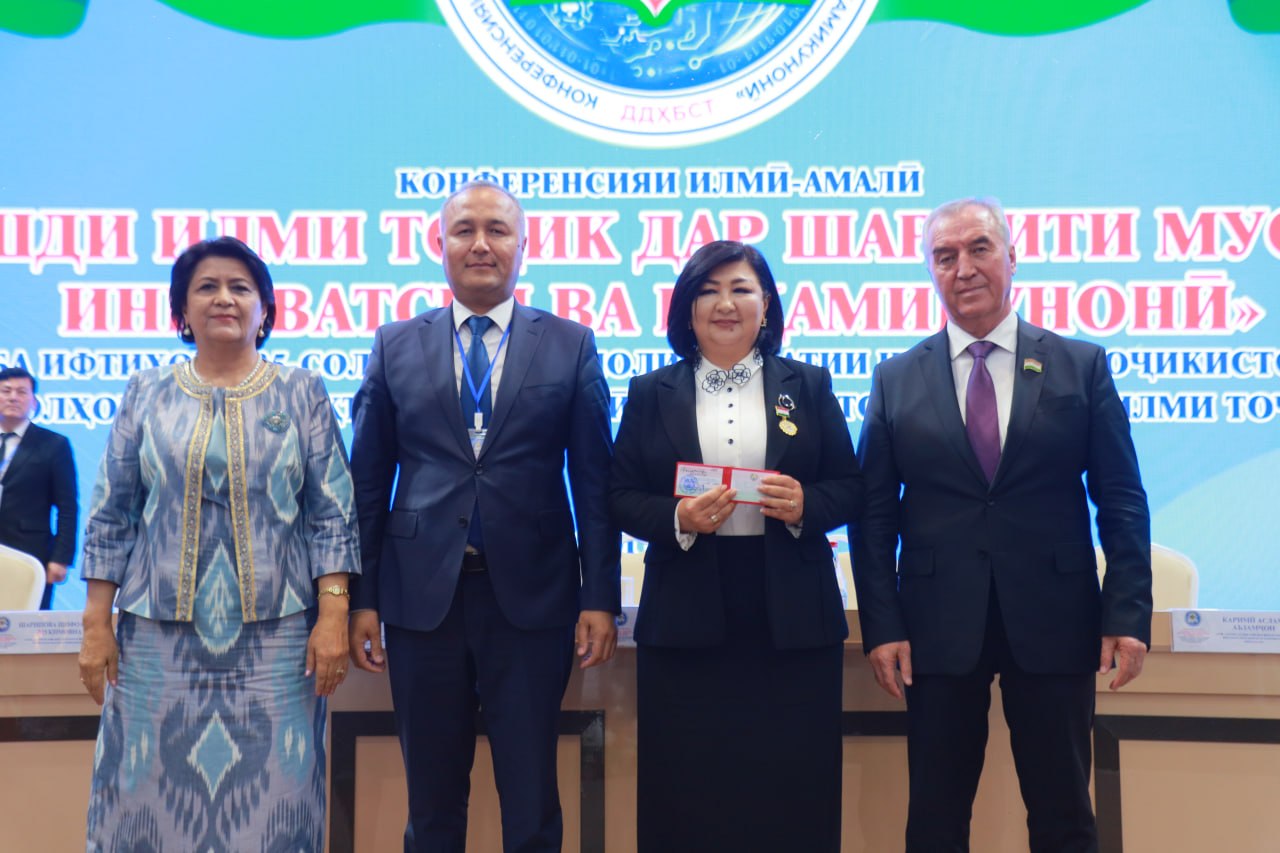
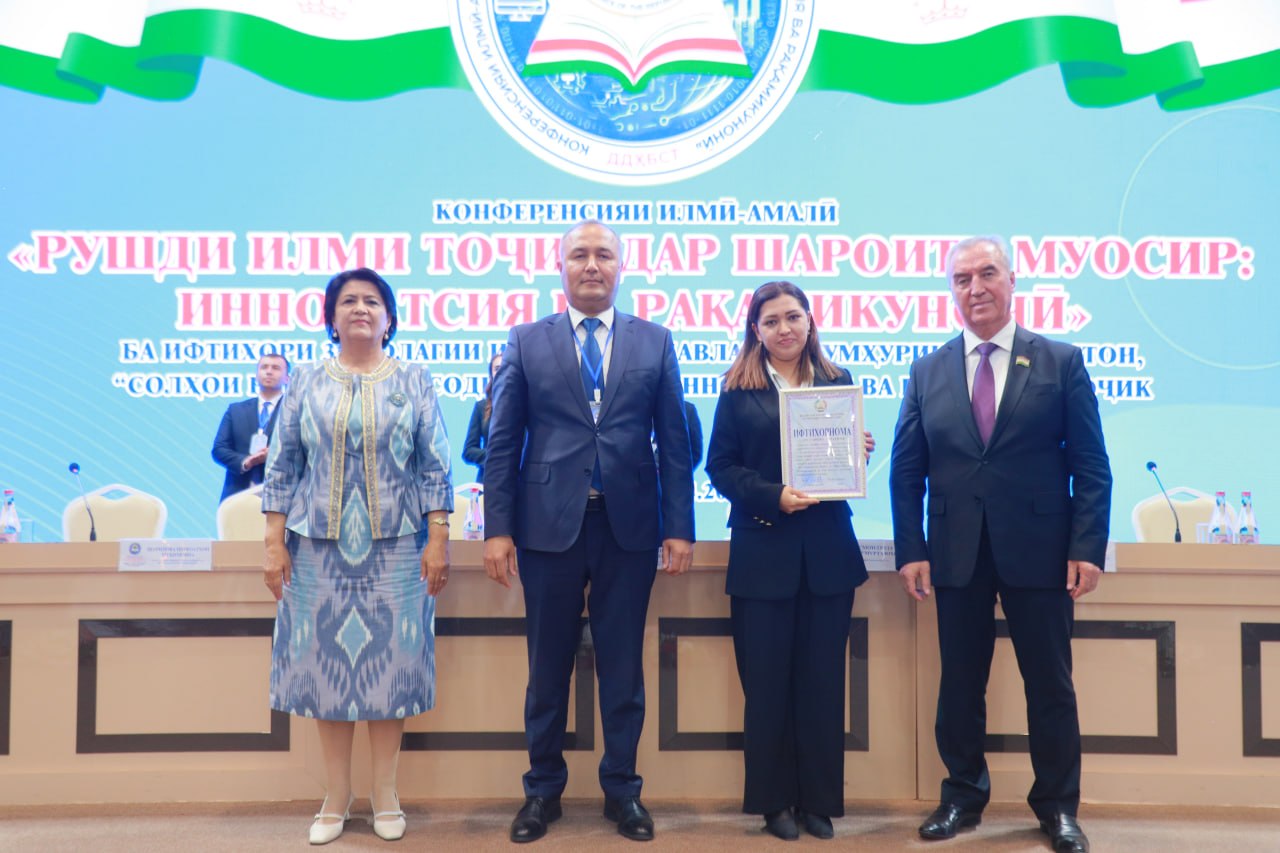
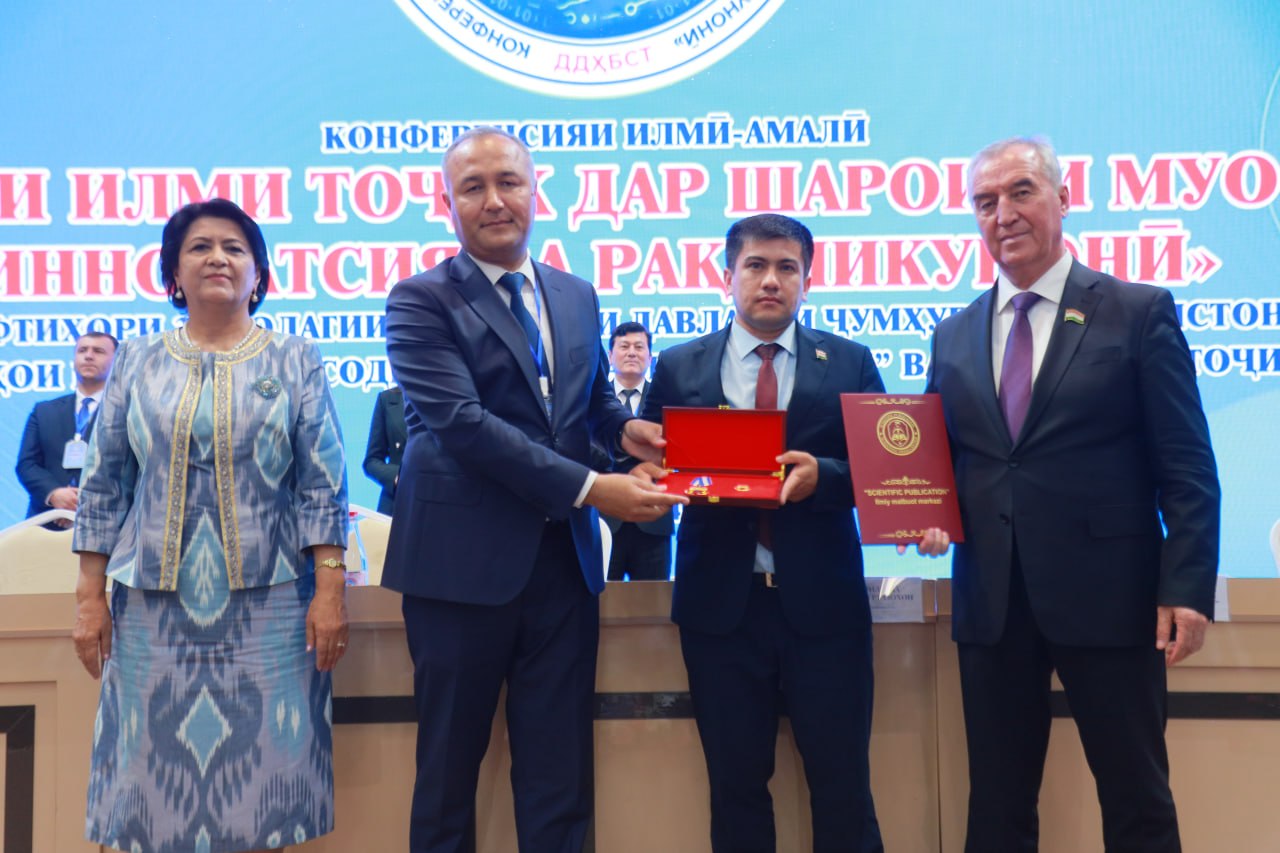
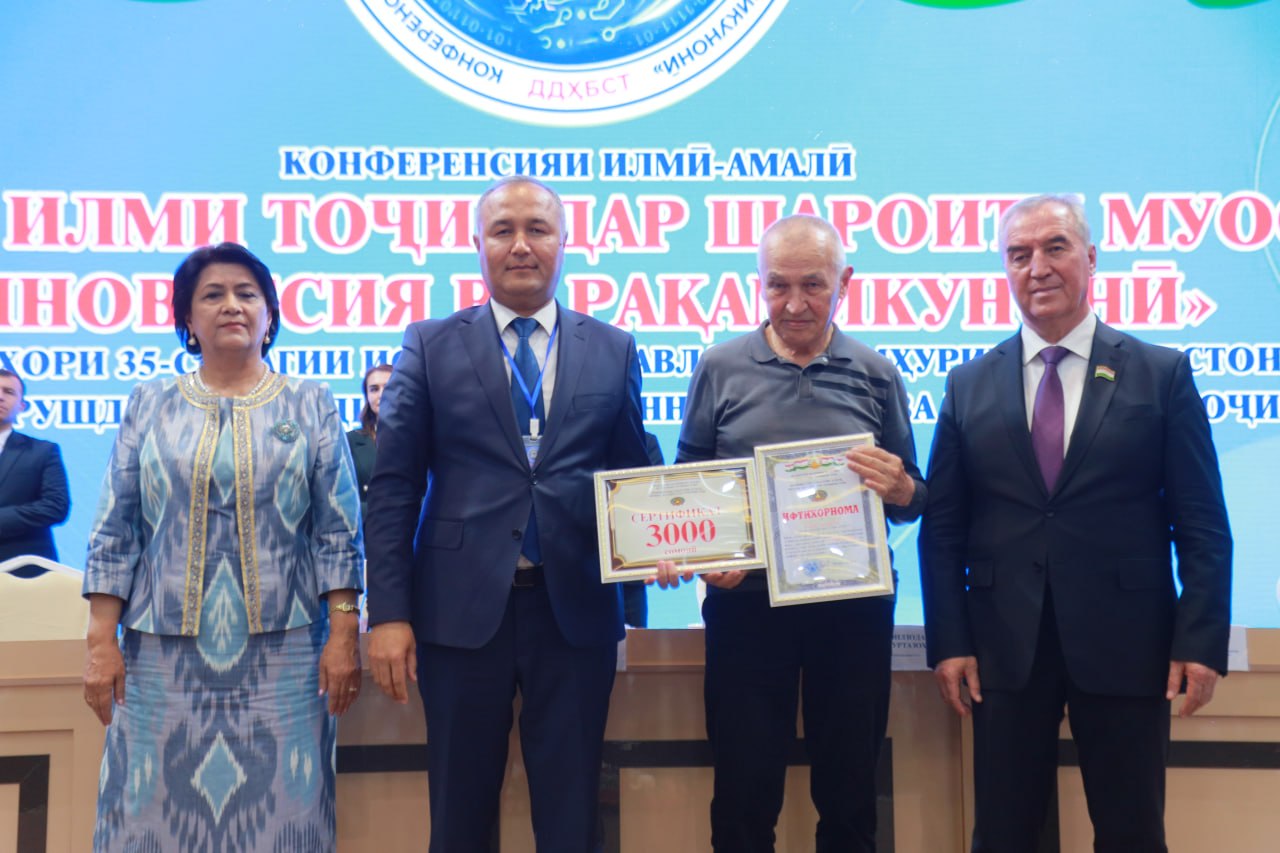
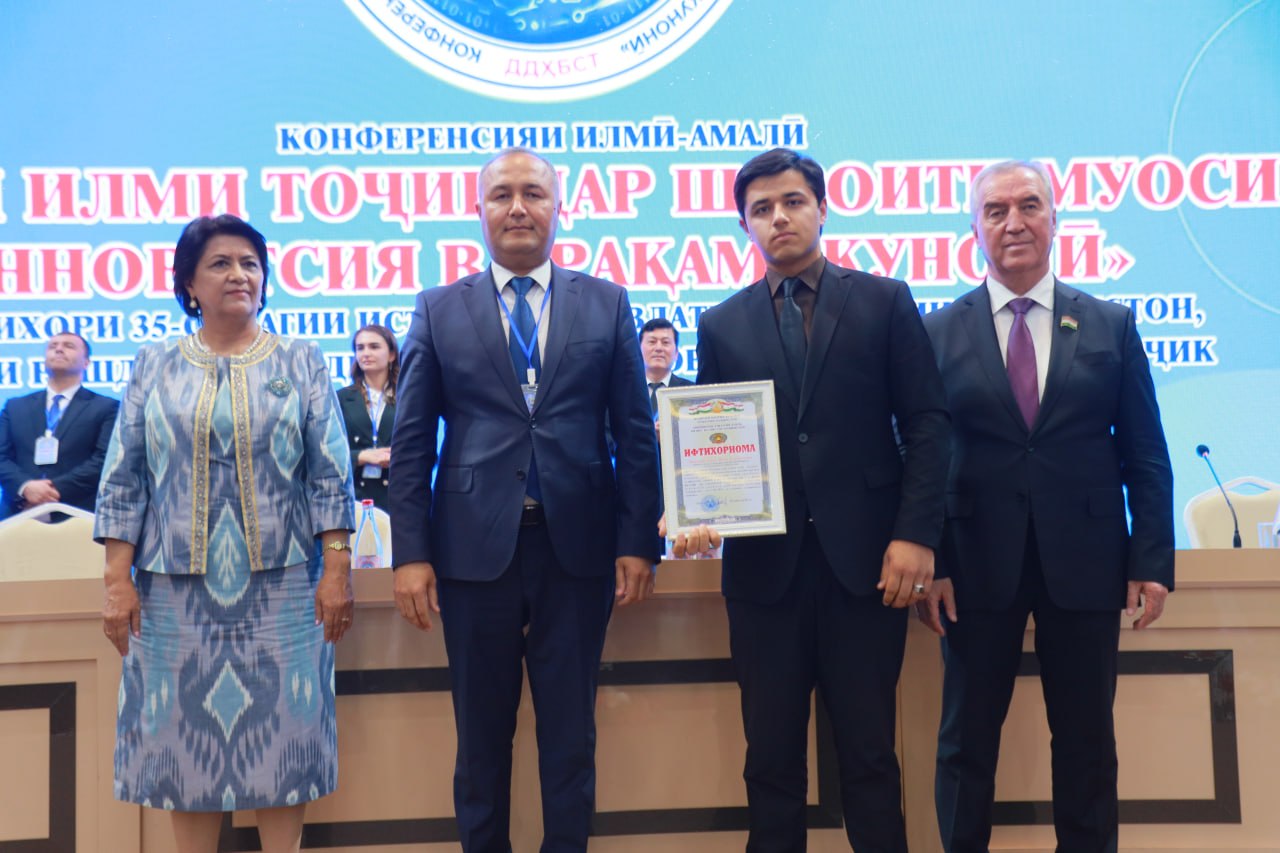
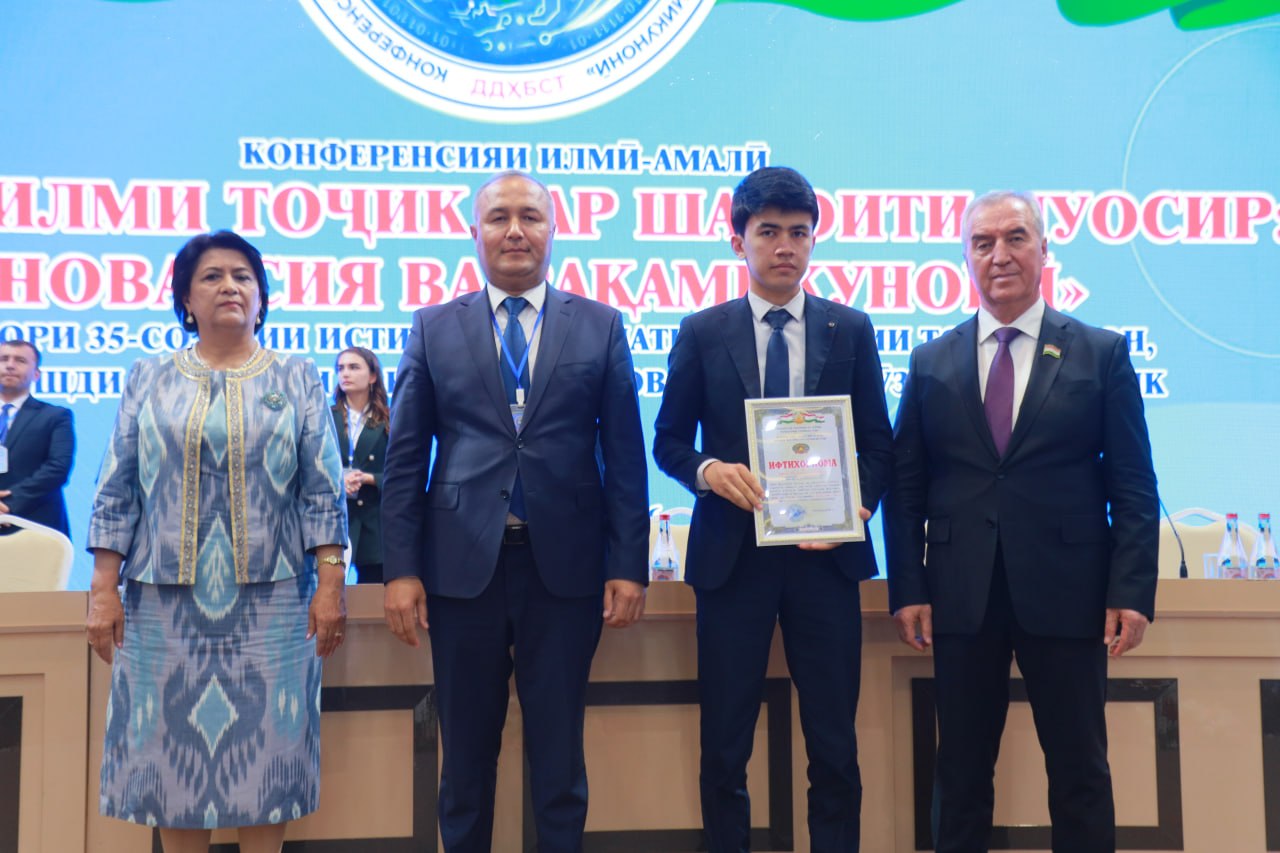
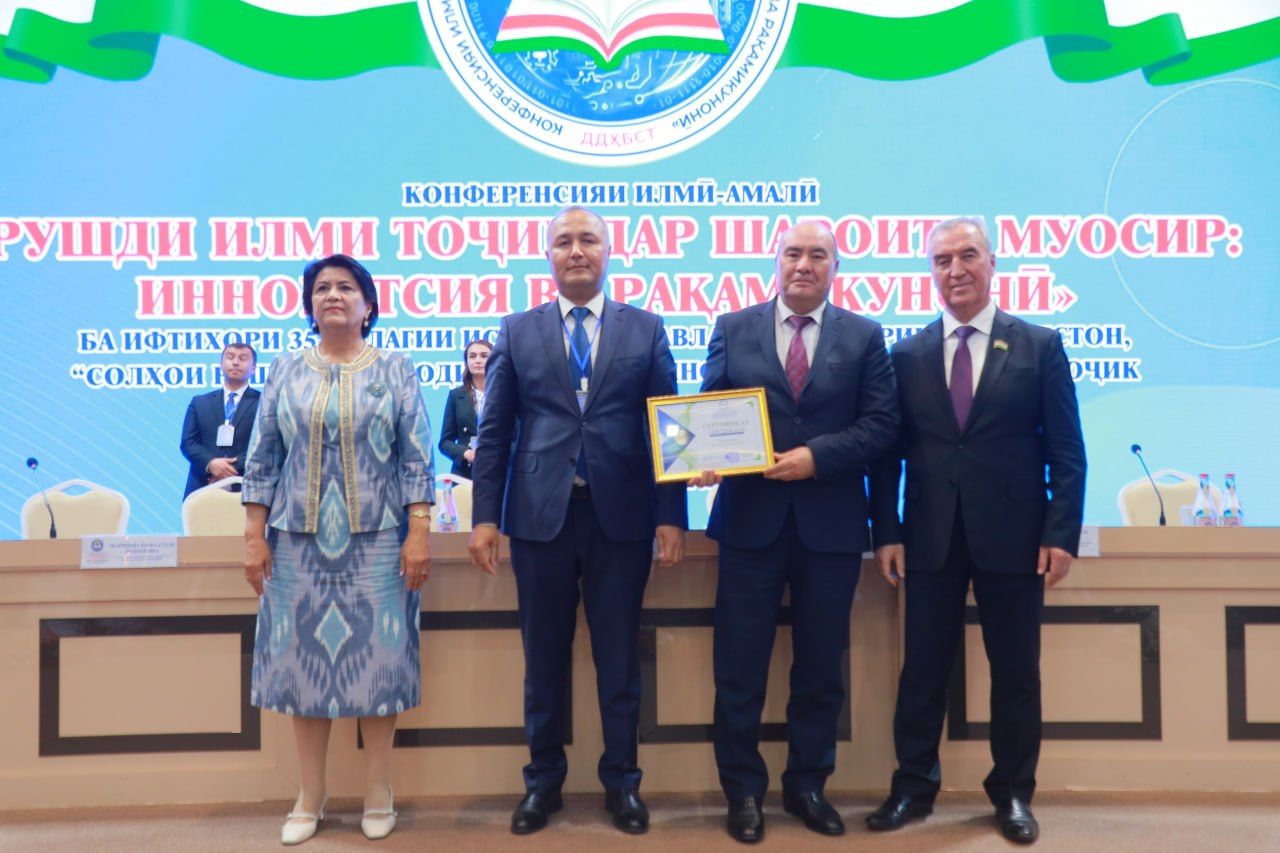
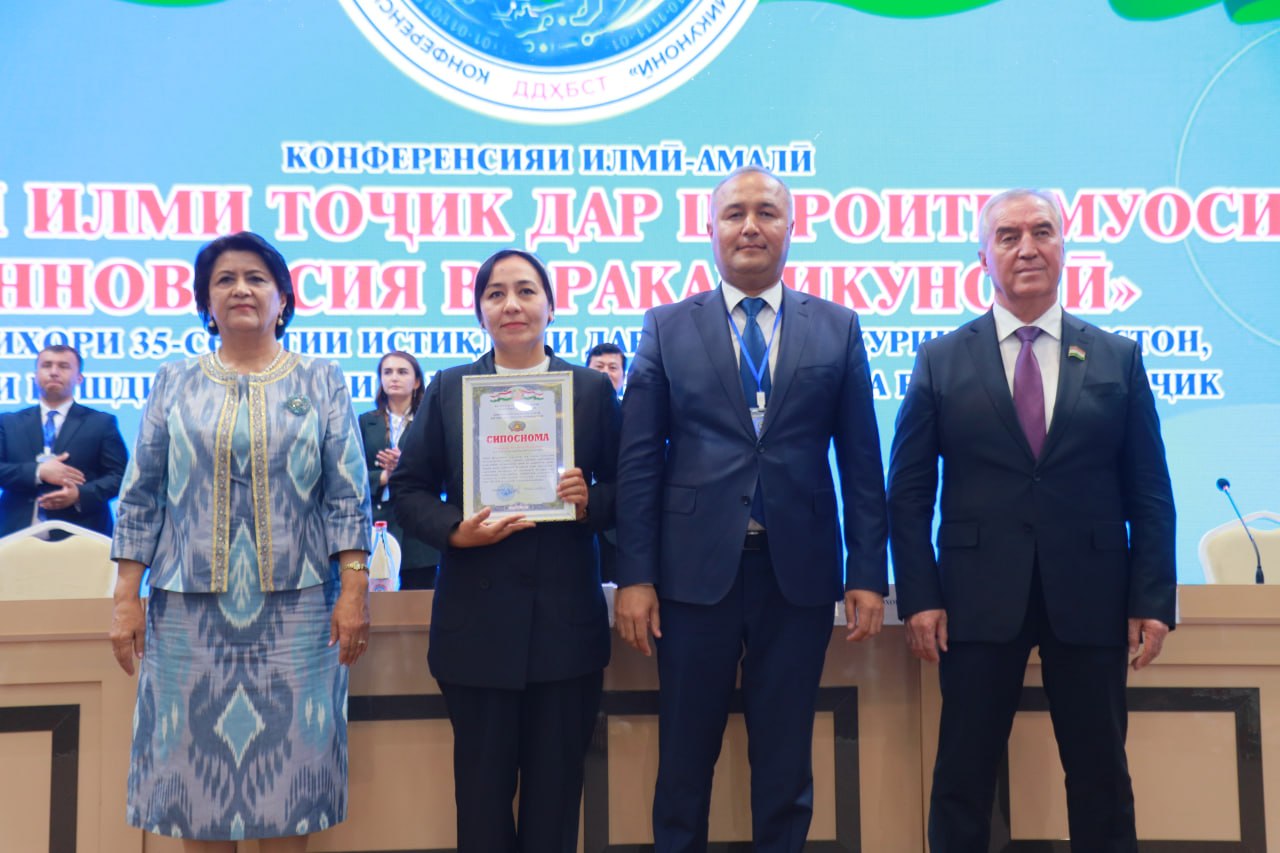
During the ceremonial part dedicated to the Day of Tajik Science, a number of faculty members and staff were awarded the “Excellent Worker of Education and Science of the Republic of Tajikistan” badge, as well as certificates of honor and letters of appreciation from the Ministry of Education and Science and the university administration for their dedicated service and contribution to scientific and educational development.
It should be noted that the conference continued in sectional sessions, where scholars, specialists, teachers, and students presented their scientific reports.