Scientific-Theoretical Seminar on “The Place of the Republic of Tajikistan in the New System of Regional Relations in Central Asia: Threats, Opportunities, and Prospects for Integration”
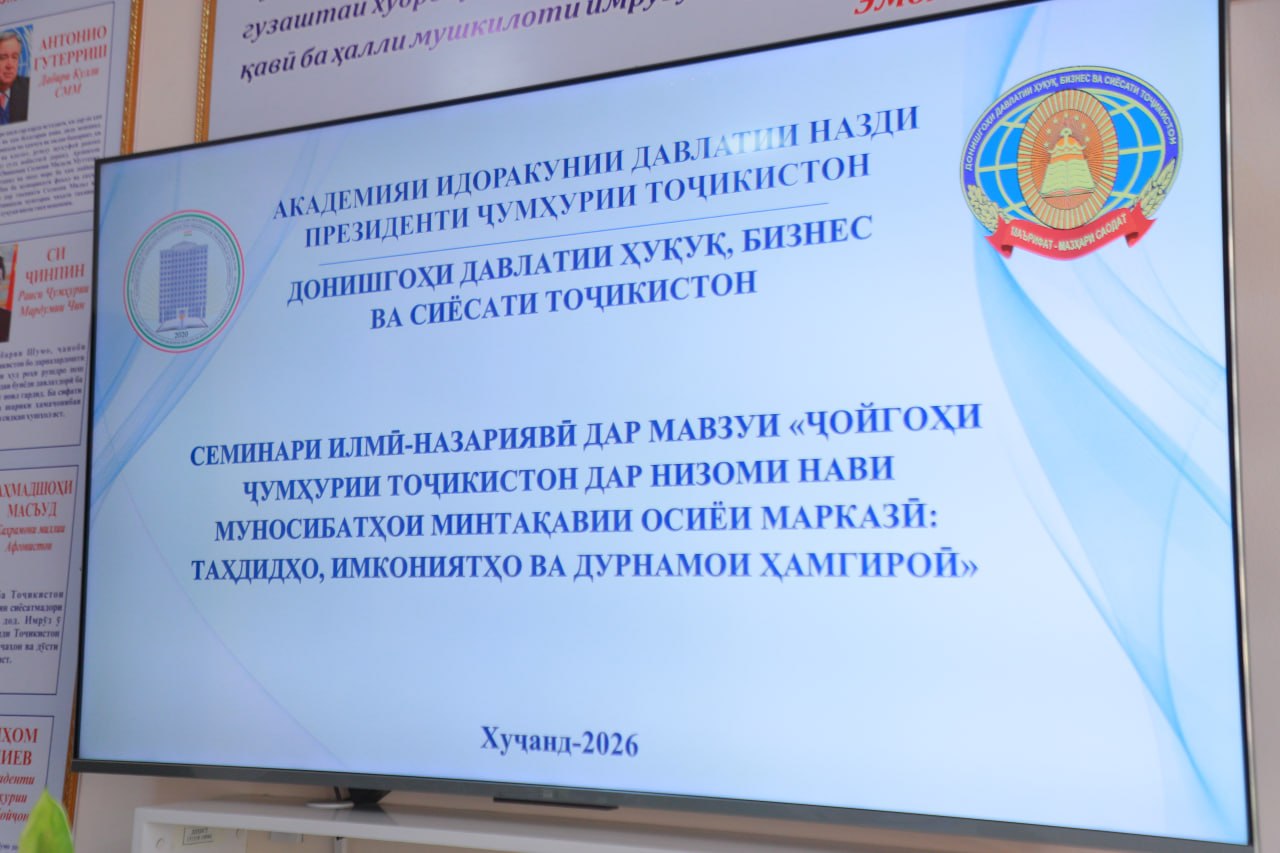
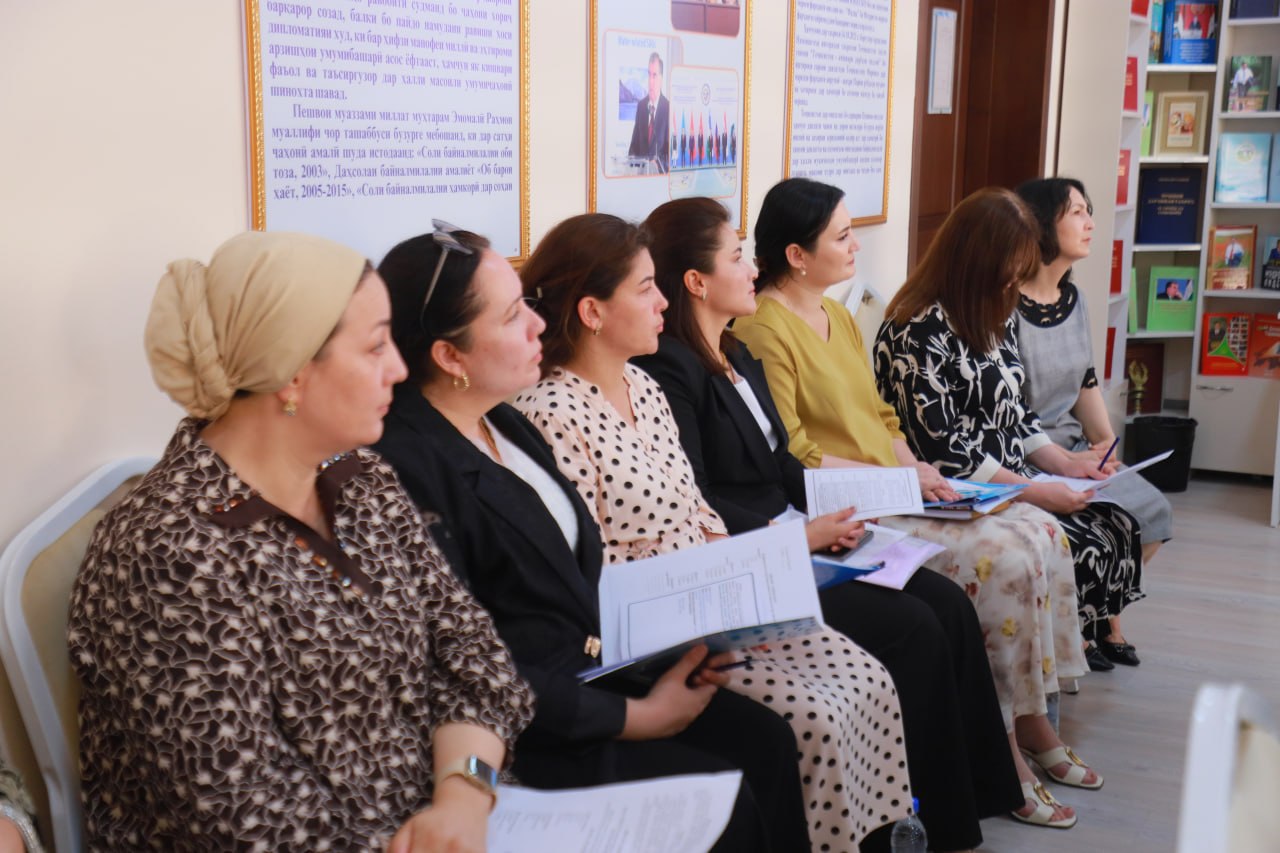
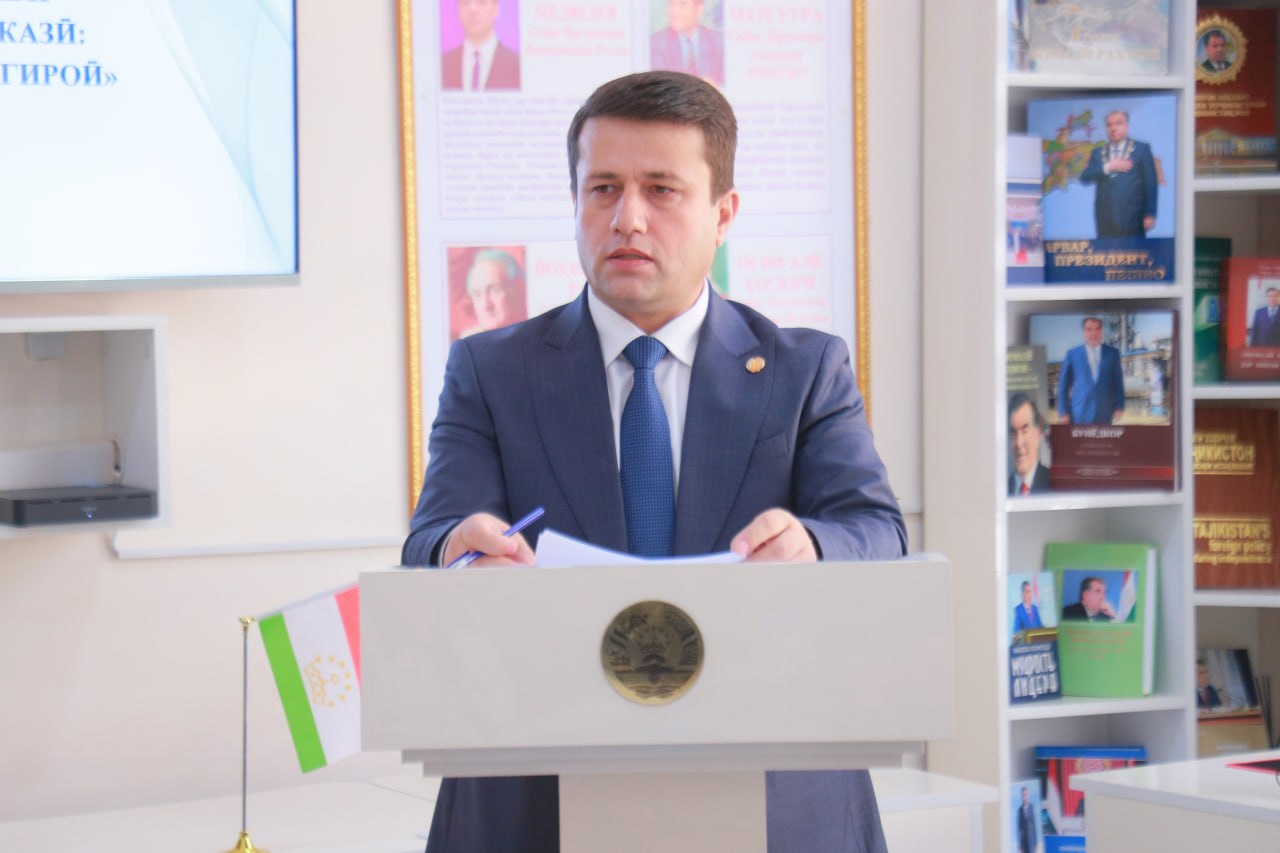
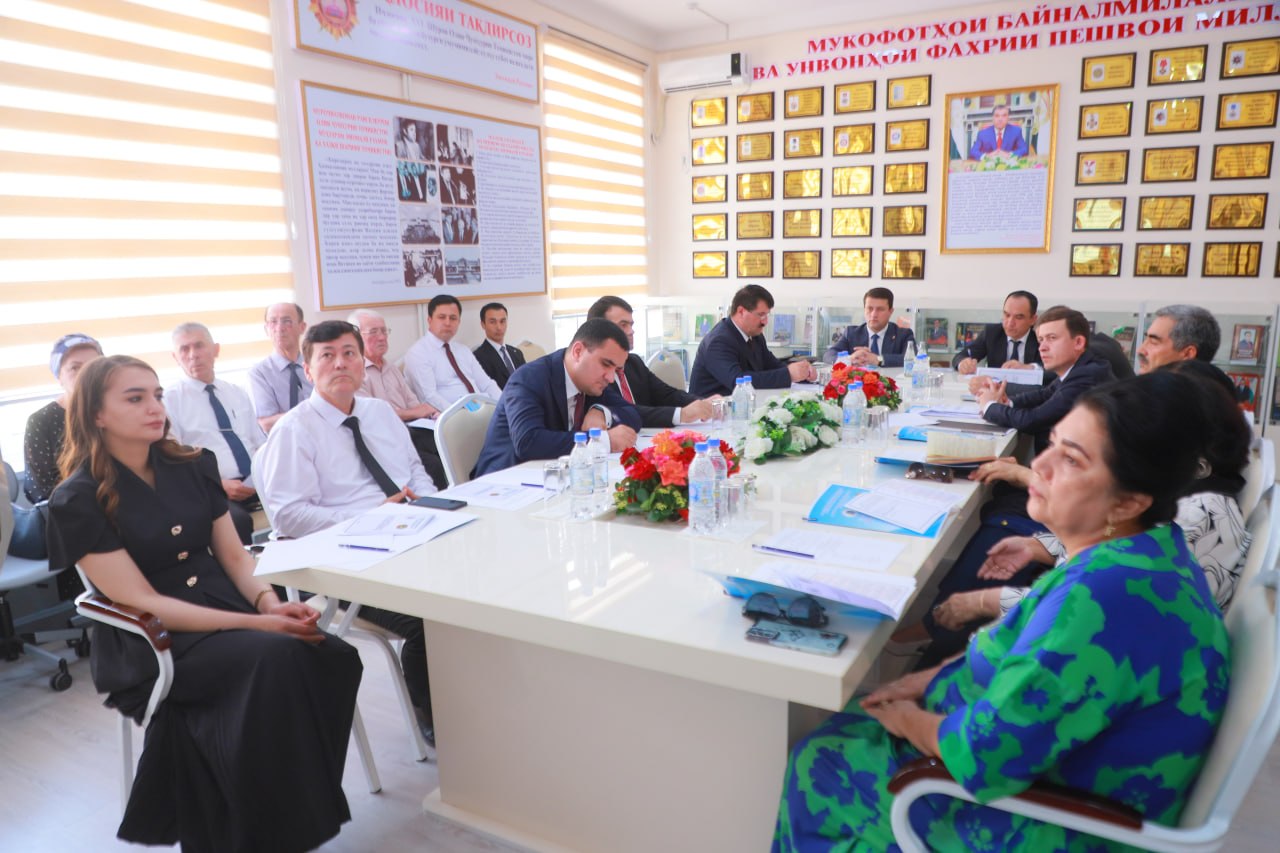
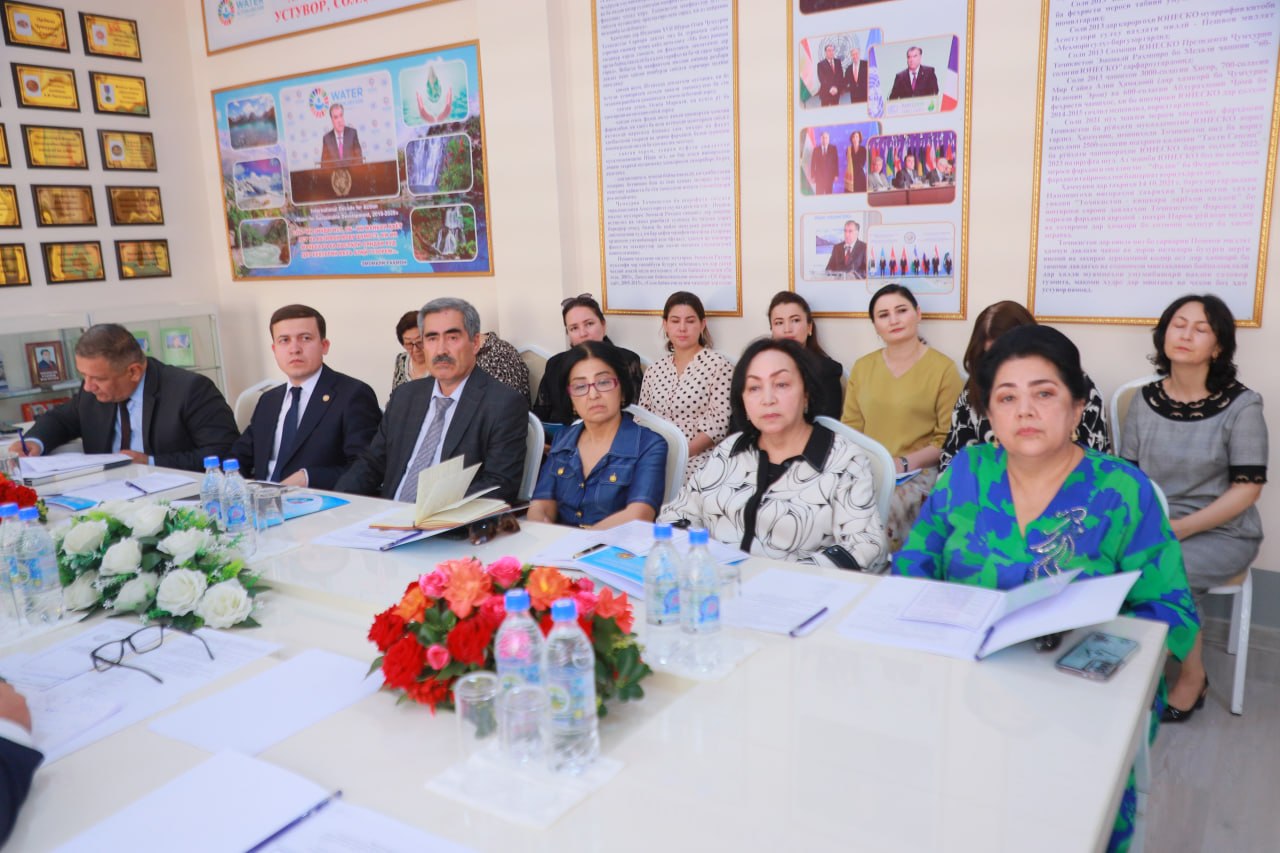
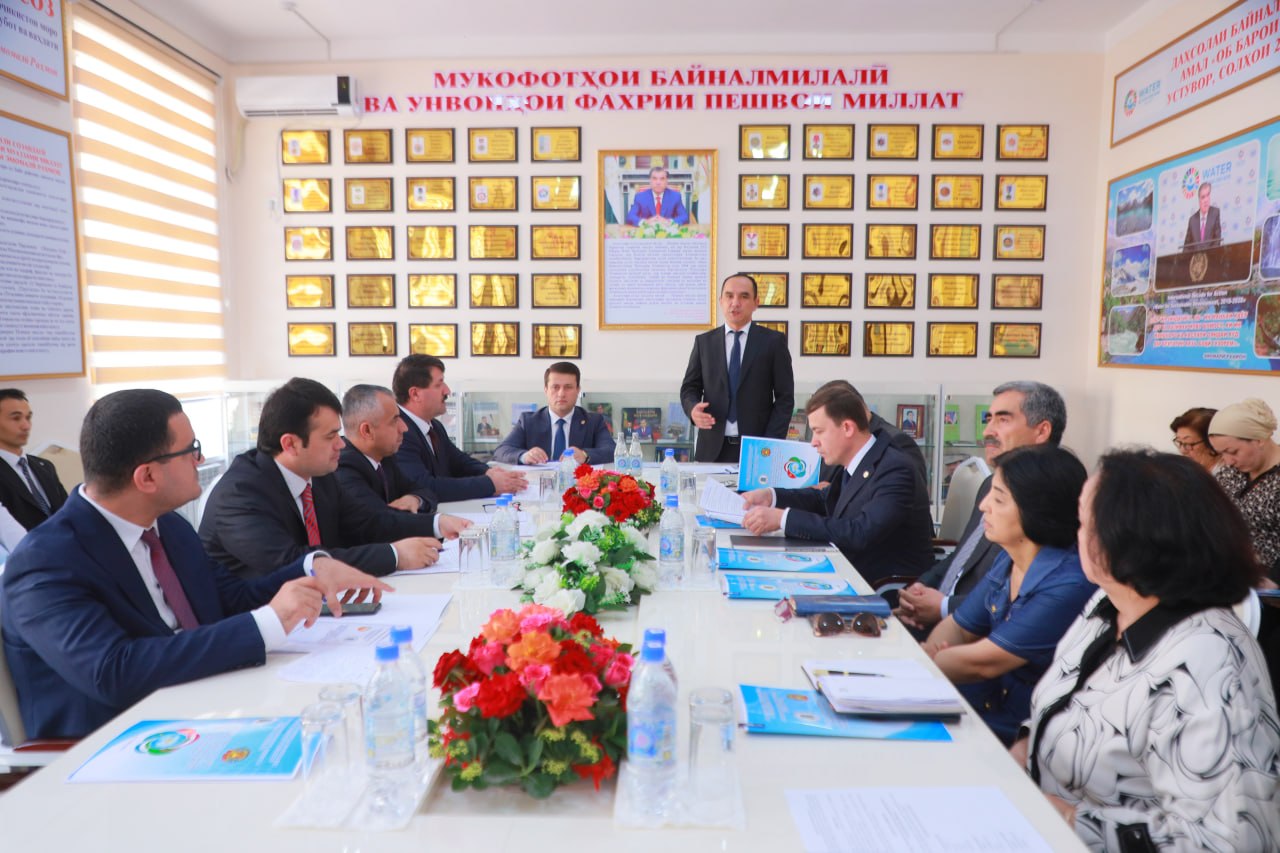
On June 5, 2026, at the initiative of the Academy of Public Administration under the President of the Republic of Tajikistan, a scientific-theoretical seminar entitled “The Place of the Republic of Tajikistan in the New System of Regional Relations in Central Asia: Threats, Opportunities, and Prospects for Integration” was held at the Tajik State University of Law, Business and Politics.
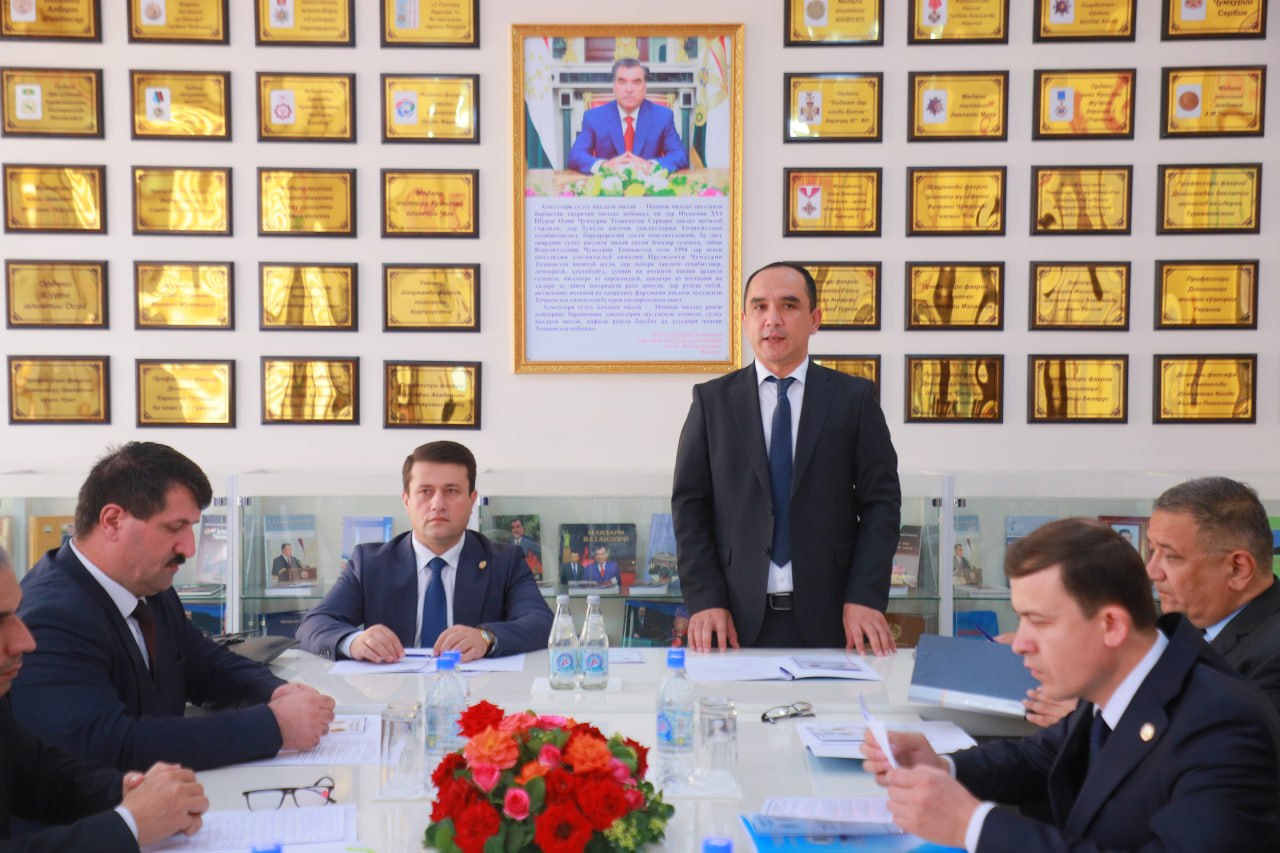
The seminar was opened by the Vice-Rector for Academic Affairs, Donish Fazliddinzoda, who noted that following the collapse of the Soviet Union, the Central Asian region attracted the attention of many countries around the world and underwent significant socio-economic and political transformations. Under current conditions, achieving the objectives of a balanced and effective foreign policy and determining its priorities in accordance with national interests and real capabilities require special attention to regional cooperation.
Given the ongoing processes of globalization, emerging challenges and threats, and the growing importance of individual regions, prioritizing the regional dimension of foreign policy—particularly cooperation with the countries of Central Asia—has become one of the key prerequisites for ensuring regional security and protecting the national interests of the states of the region.
For this reason, the President of the Republic of Tajikistan, Leader of the Nation, Honorable Emomali Rahmon, in his first address to the people of Tajikistan, outlined the fundamental principles of the country’s domestic and foreign policy, emphasizing the strengthening of good-neighborly relations and comprehensive cooperation with Uzbekistan, Kazakhstan, Kyrgyzstan, and Turkmenistan.
This far-sighted policy contributed to strengthening regional cooperation, involving neighboring countries in the Tajik peace process, encouraging their participation in safeguarding the Tajik-Afghan border as the southern frontier of the region, and securing their guarantees for the implementation of the General Agreement on the Establishment of Peace and National Accord in Tajikistan. These developments demonstrate the strong regional ties, shared historical interests, and mutual commitment of the Central Asian countries to cooperation with Tajikistan.
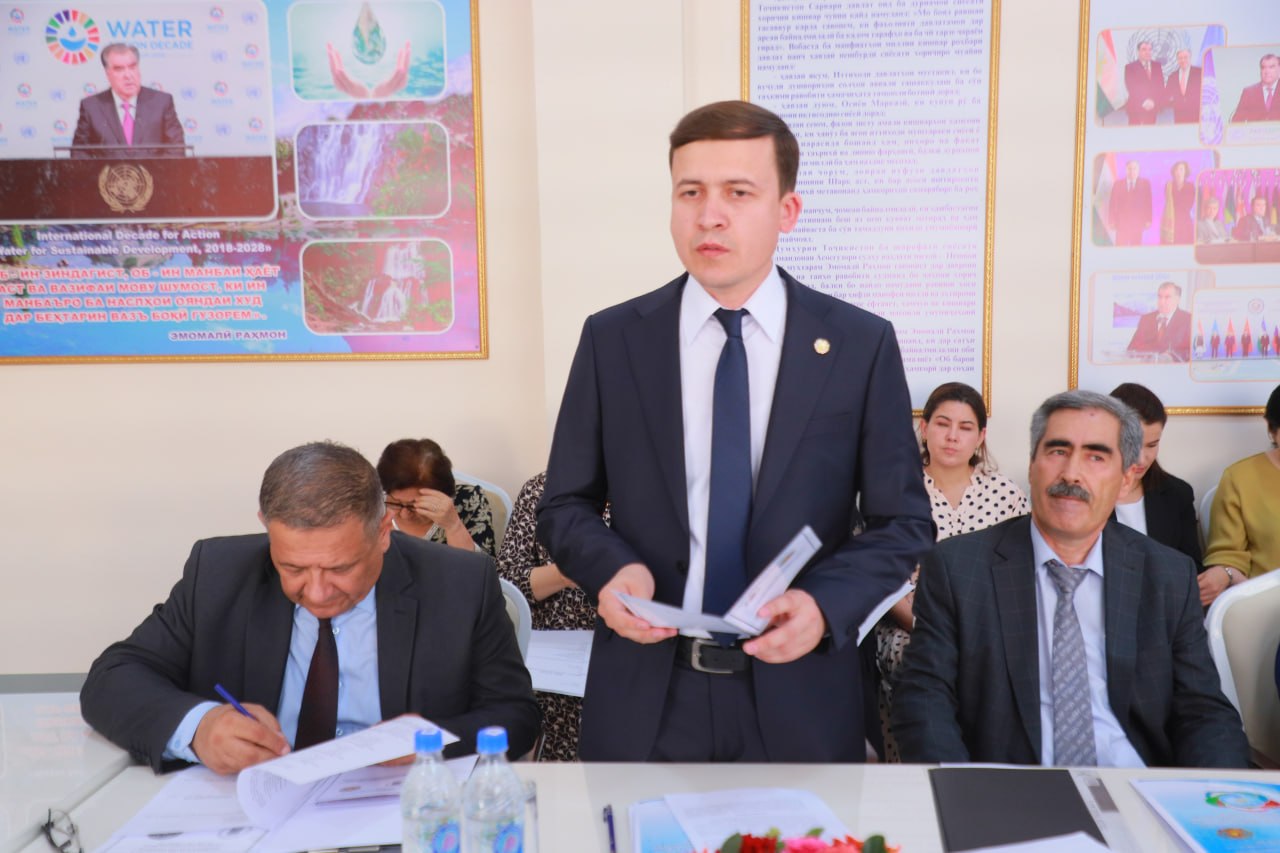
During the seminar, substantive presentations were delivered by Davron Safarzoda, rector of the Academy of Public Administration under the President of the Republic of Tajikistan, as well as by faculty members of the Academy. Discussions focused on the current geopolitical environment of Central Asia, the role of regional states in the system of international relations, strengthening regional integration, ensuring collective security, and prospects for the development of economic and political cooperation.
The purpose of the seminar was to examine pressing geopolitical issues in Central Asia, analyze contemporary regional integration processes, assess the role of the Republic of Tajikistan in strengthening regional security and stability, and identify new opportunities for cooperation in the context of evolving international relations.
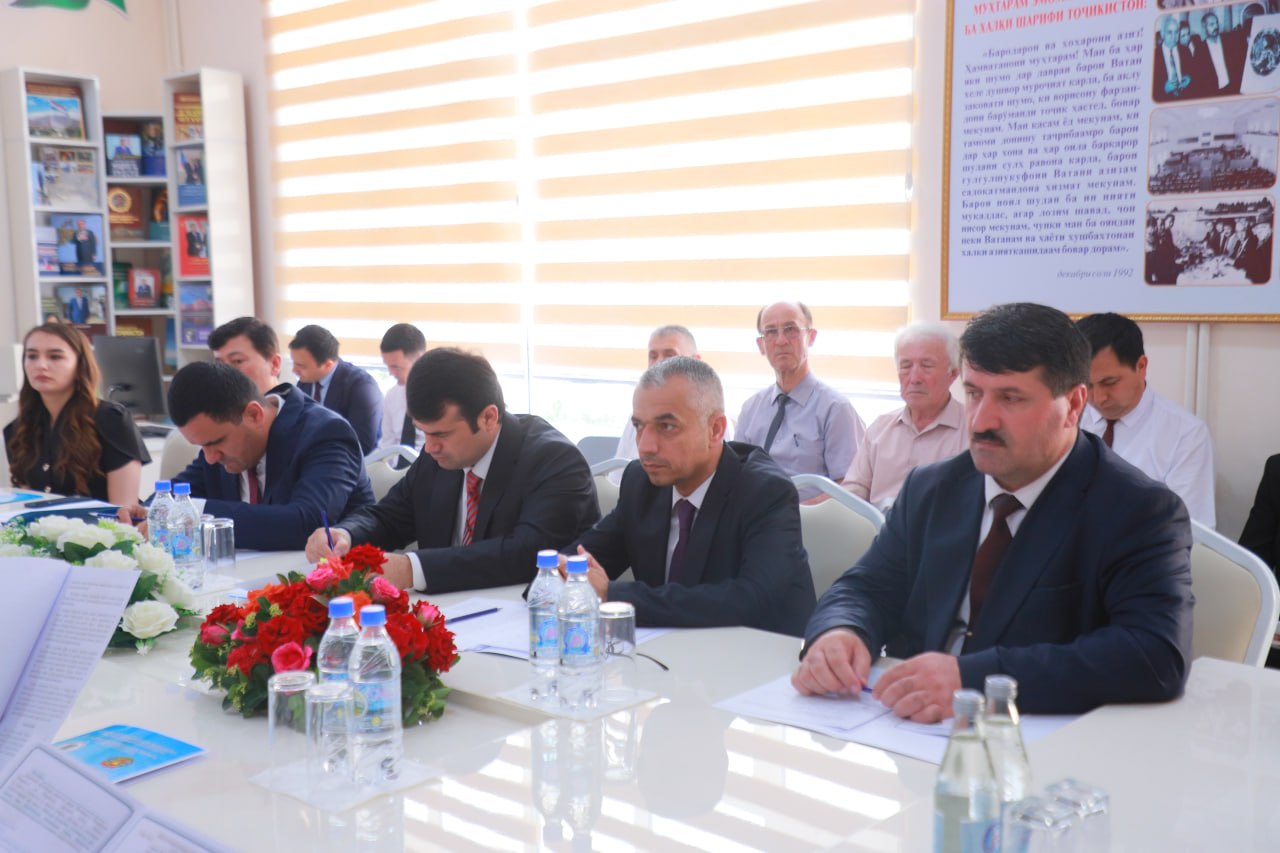
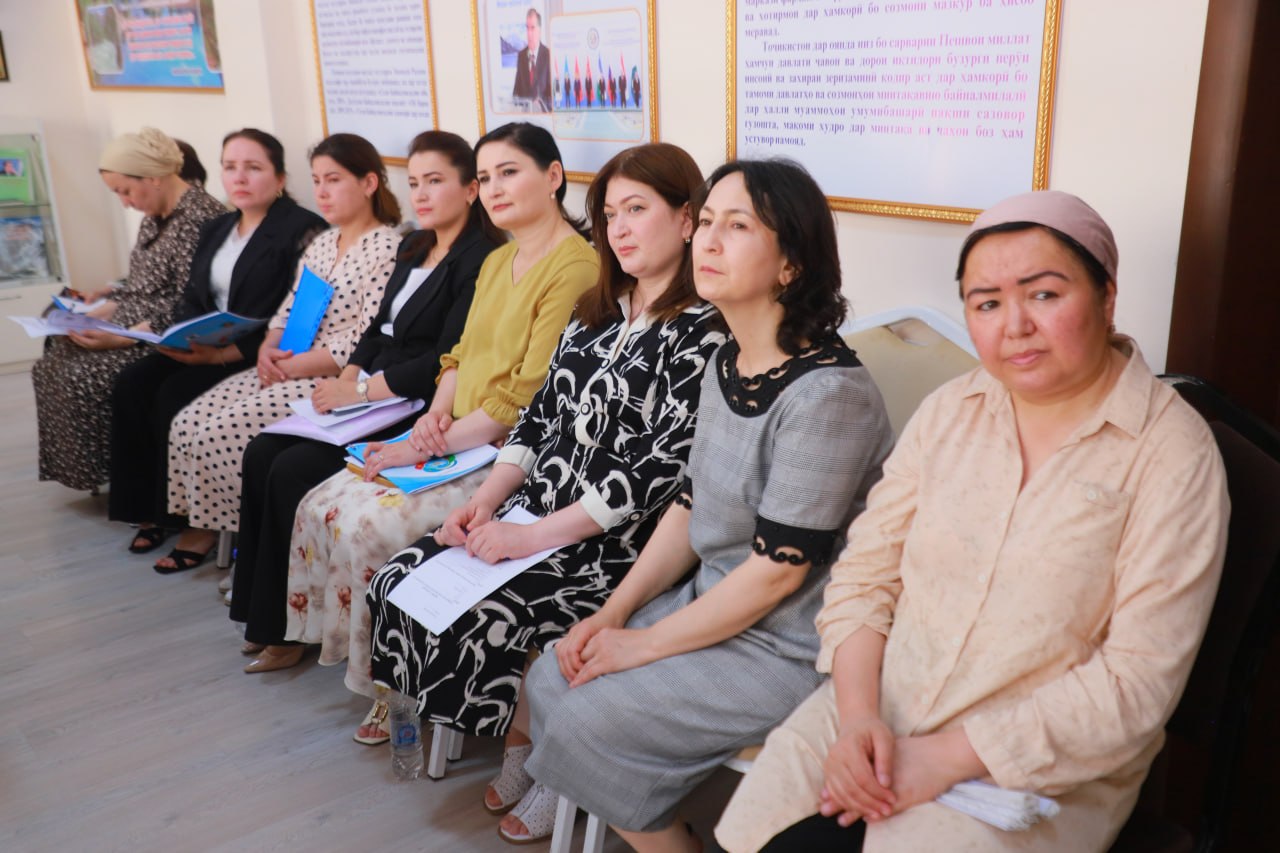
The scientific-theoretical seminar was conducted in an atmosphere of open and constructive exchange of views. At the conclusion of an event, participants discussed issues raised and put forward a number of practical recommendations aimed at further strengthening regional cooperation and enhancing the role of the Republic of Tajikistan in maintaining security and stability in Central Asia.
Department of Analysis and Public Relations