Opening of the Branch of the chair of World Economy of TSULBP at the Free Economic Zone “Sughd”
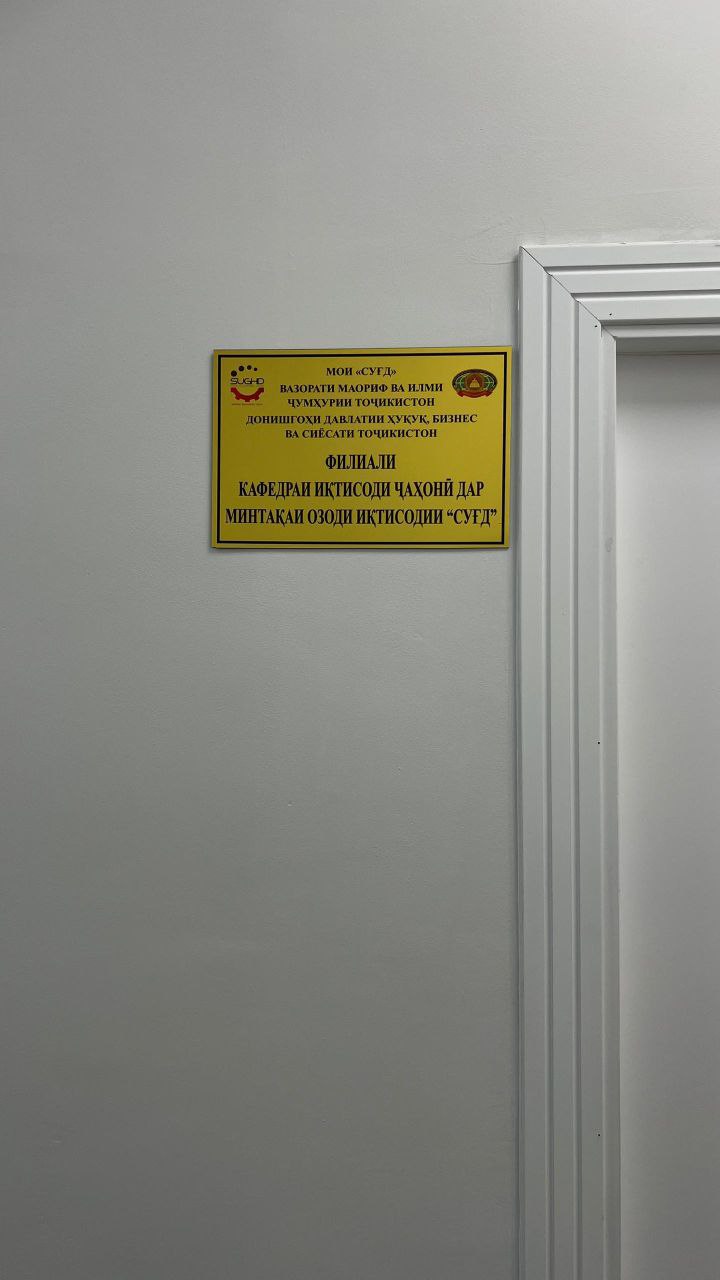
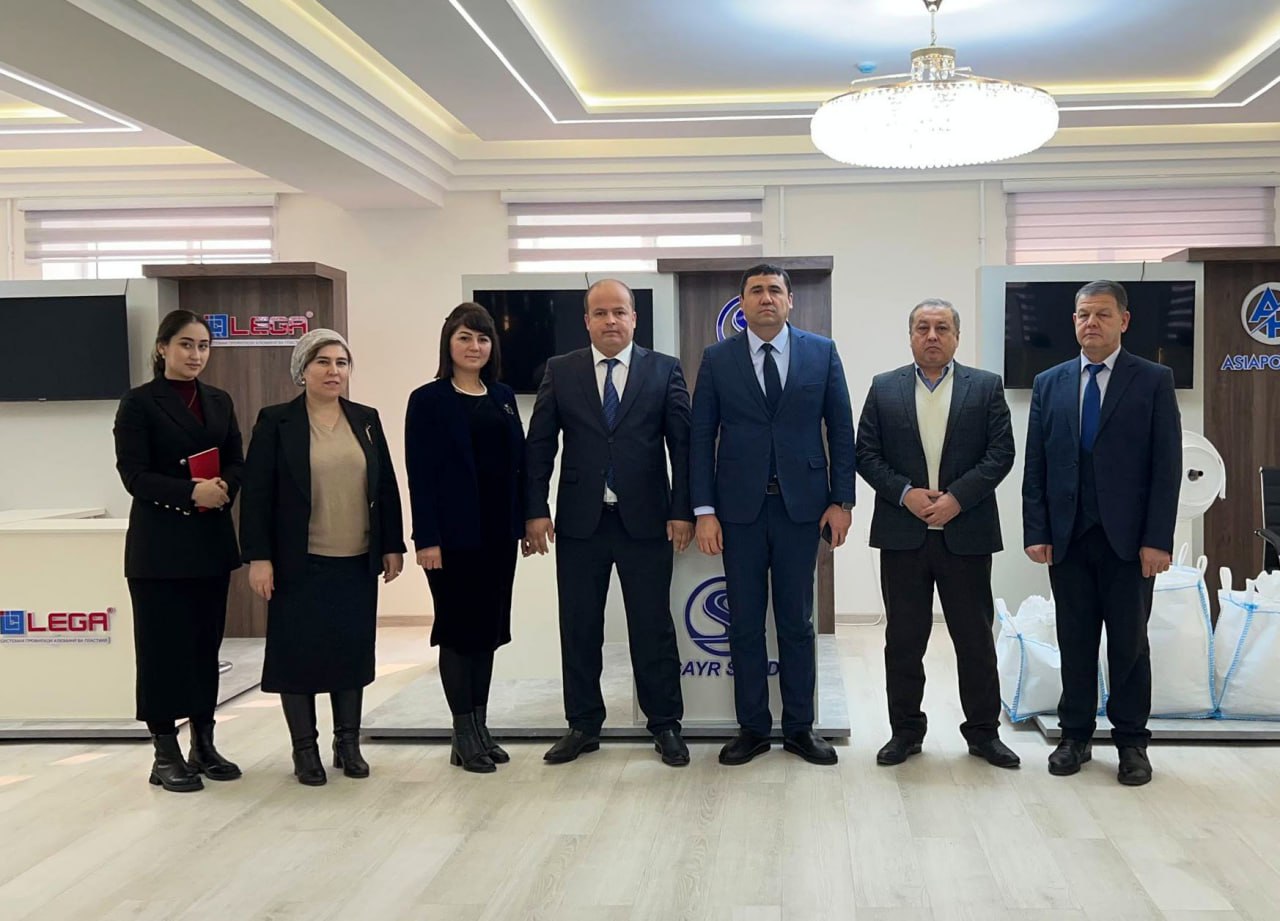
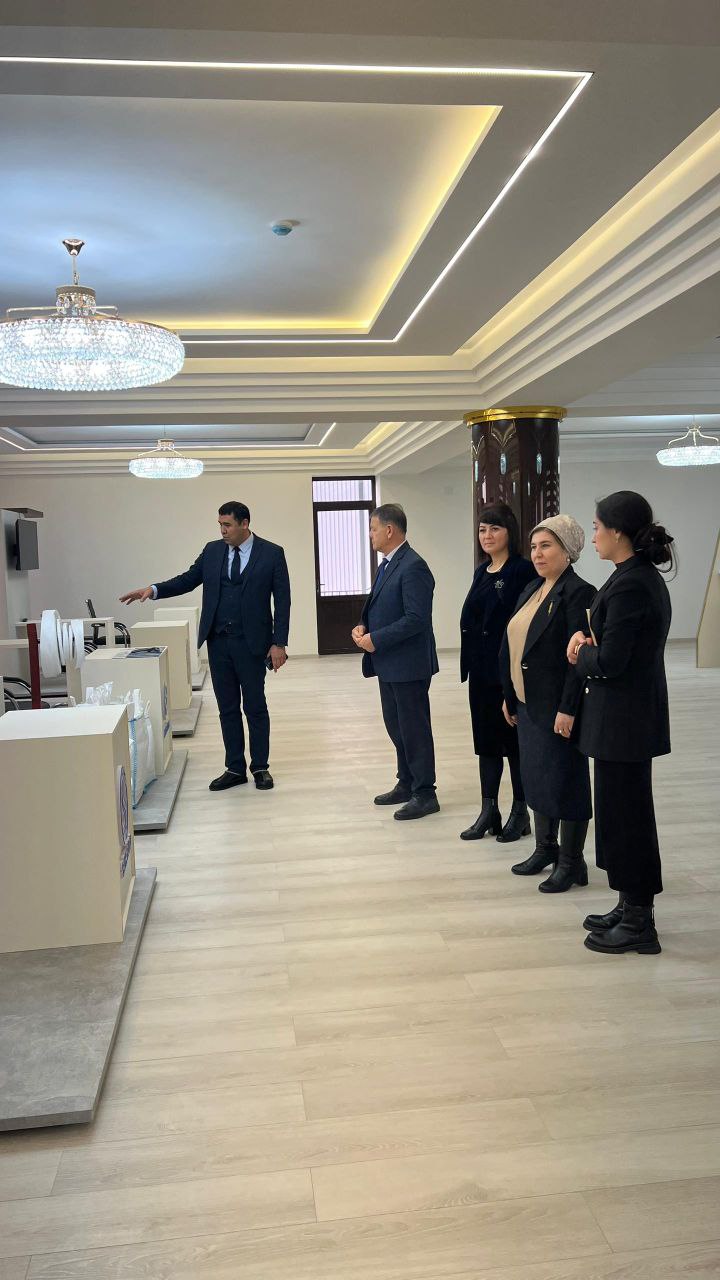
In order to strengthen the link between science and production and effectively implement dual education, a branch of the chair of World Economy of the Tajik State University of Law, Business and Politics was established at the Free Economic Zone “Sughd”.
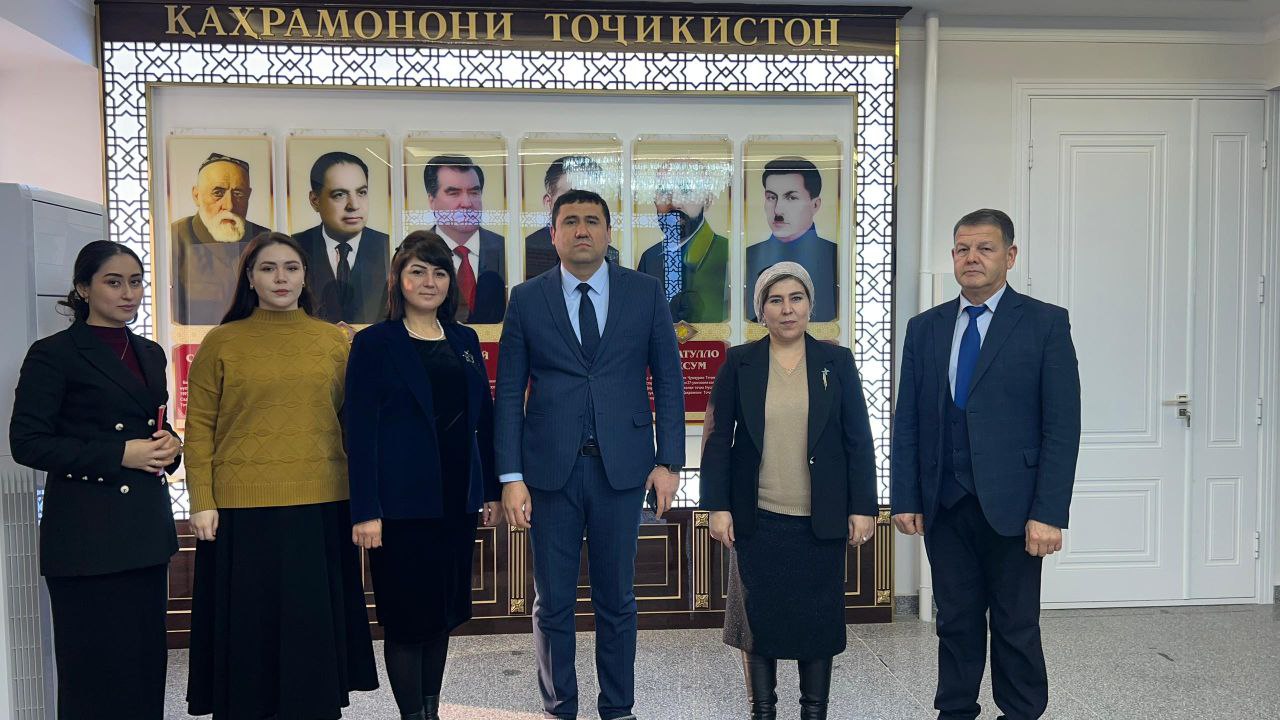
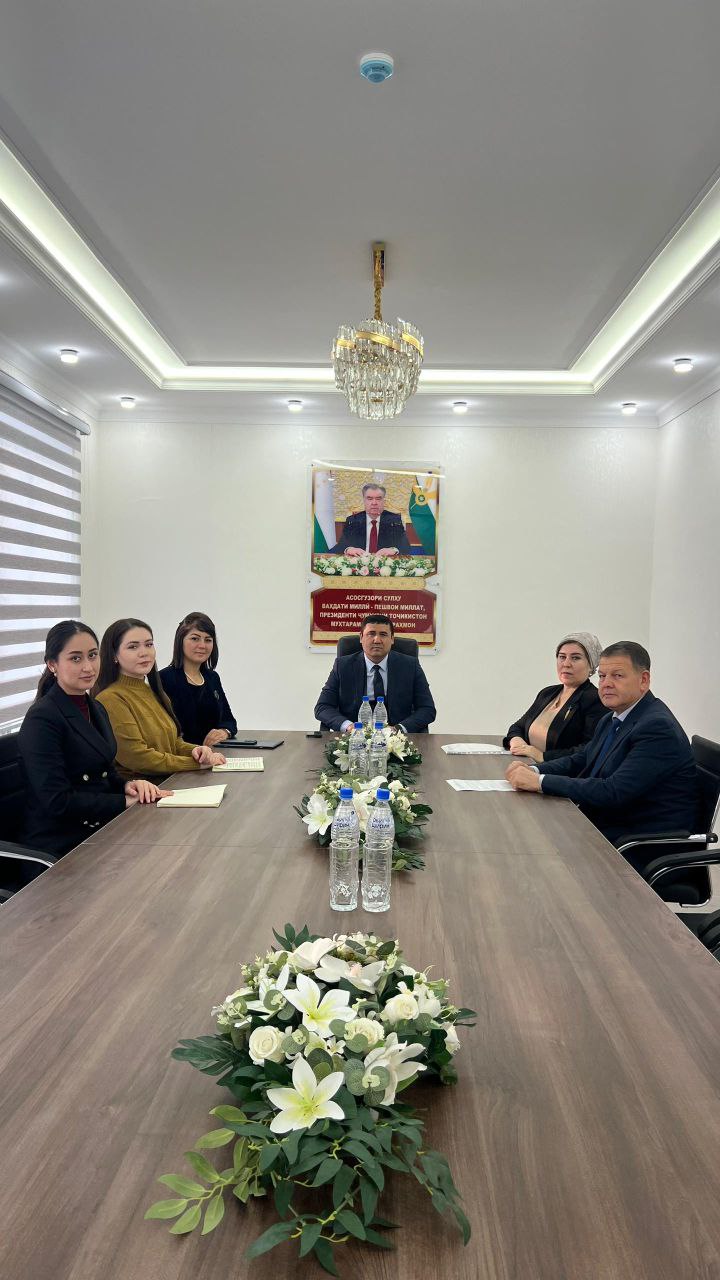
This initiative was implemented within the framework of fulfilling instructions and directives of the Founder of Peace and National Unity – Leader of Nation, President of the Republic of Tajikistan, His Excellency Emomali Rahmon, as outlined in his annual Address to Majlisi Oli. The opening ceremony of the chair’s representative office took place on January 5, 2026, on the initiative of the chief of the chair of World Economy, Candidate of Economic Sciences, Associate Professor A.T. Abdulloeva, and chair faculty, with participation of the Head of the University’s Internships and Work with Young Specialists department, M.A. Sattorova.
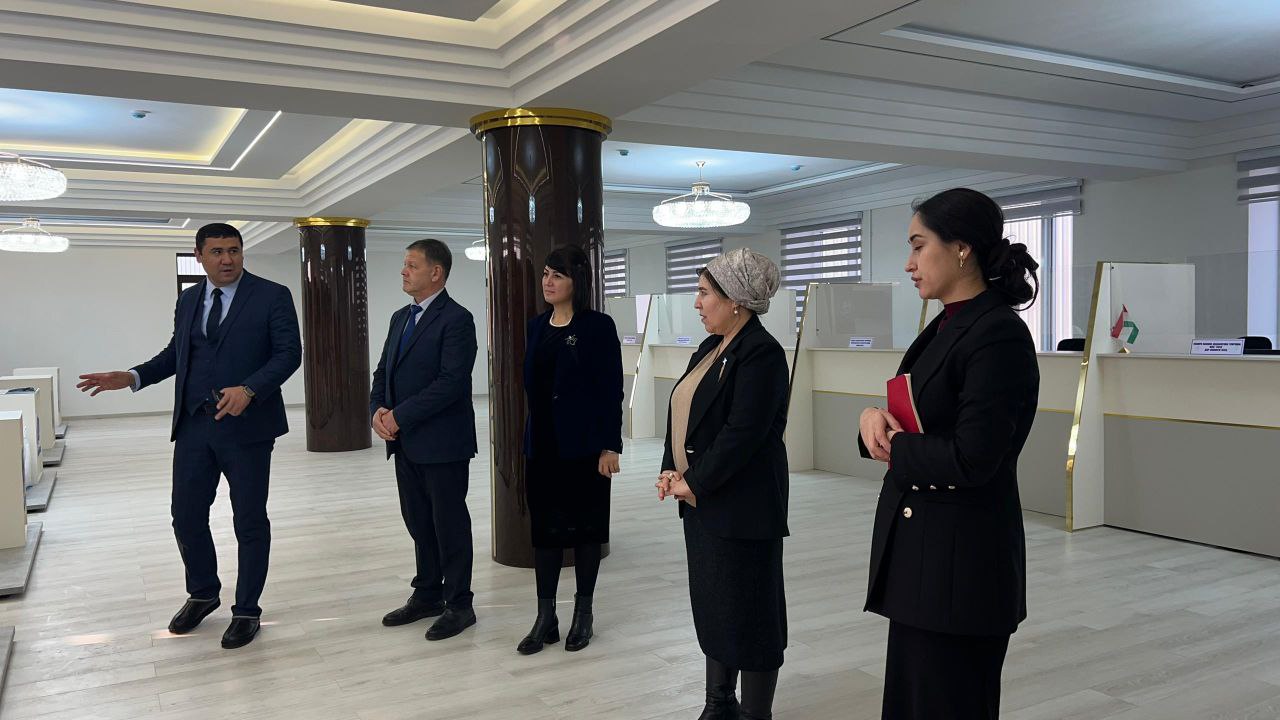
In his speech, the Head of the FEZ “Sughd,” Muhammadzoda Muhammad Sulton, emphasized that bilateral cooperation between the Tajik State University of Law, Business and Politics and the Free Economic Zone “Sughd” has been successfully developing for many years, and that establishment of a branch of a specialized chair represents a new stage in the development of this cooperation. According to him, there are currently 48 industrial and manufacturing enterprises operating within FEZ “Sughd,” including 6 enterprises established with foreign investment from China, Turkey, Russia, Uzbekistan, Kazakhstan, and other countries.
In her address, the Head of the Internships and Work with Young Specialists department, M.A. Sattorova, highlighted the importance of establishing branches of specialized academic departments at production facilities and recalled key points from the Address of the Leader of Nation related to strengthening the link between science and production and developing dual education. It was noted that dual education is a modern form of learning that integrates theoretical education at academic institutions with practical training at enterprises and industrial organizations.
In her turn, the chief of the World Economy chair, Associate Professor A.T. Abdulloeva, noted that the experience of developed countries shows that under current conditions, theoretical knowledge alone is insufficient for training competitive specialists. Dual education enables students to apply their theoretical knowledge in a real production environment and to improve their professional skills and competencies. The integration of science and production was assessed as an important factor in improving the quality of education, ensuring sustainable employment, and fostering development of a national economy.
The opening of this branch of the chair creates favorable conditions for training specialists who meet the requirements of the modern labor market.
Department of Analysis and Public Relations