Summarizing Activities of Dissertation Councils at TSULBP
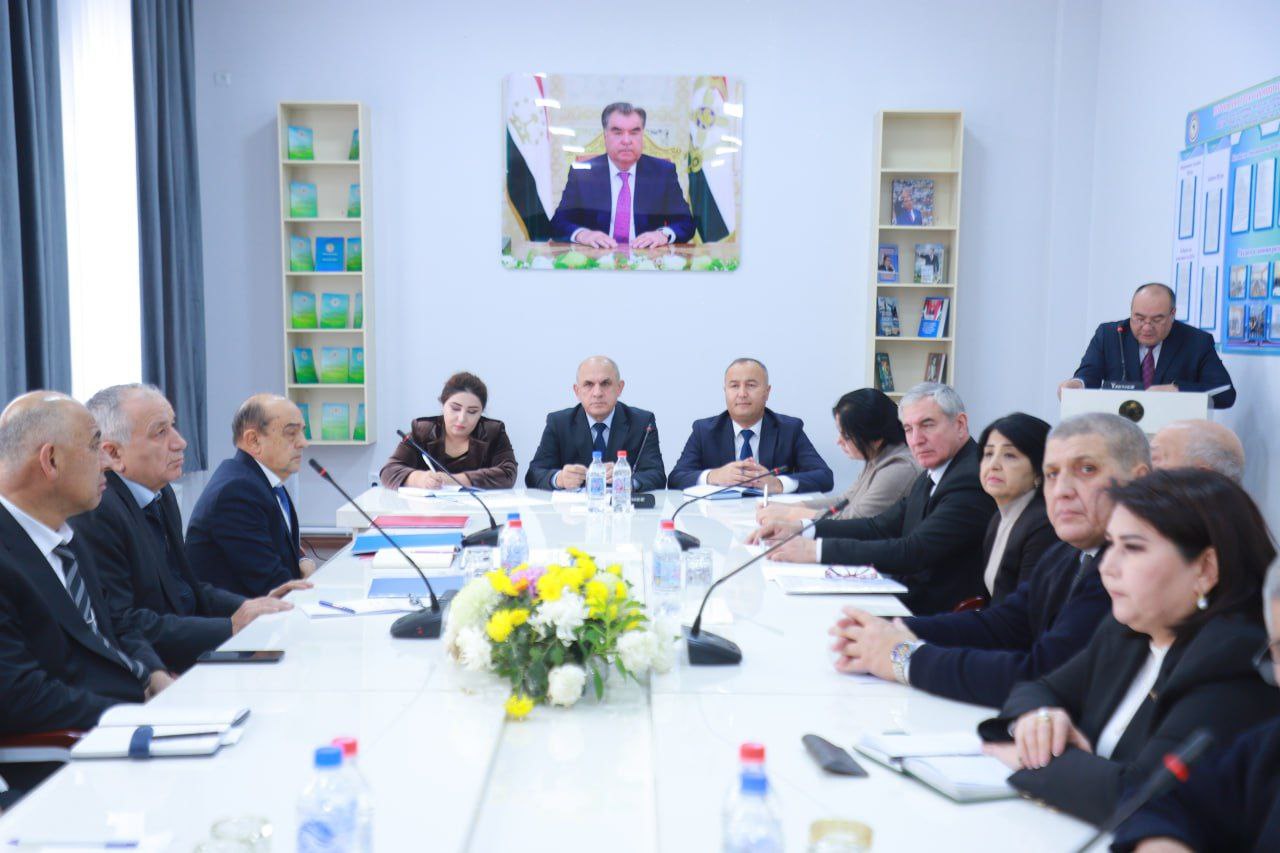
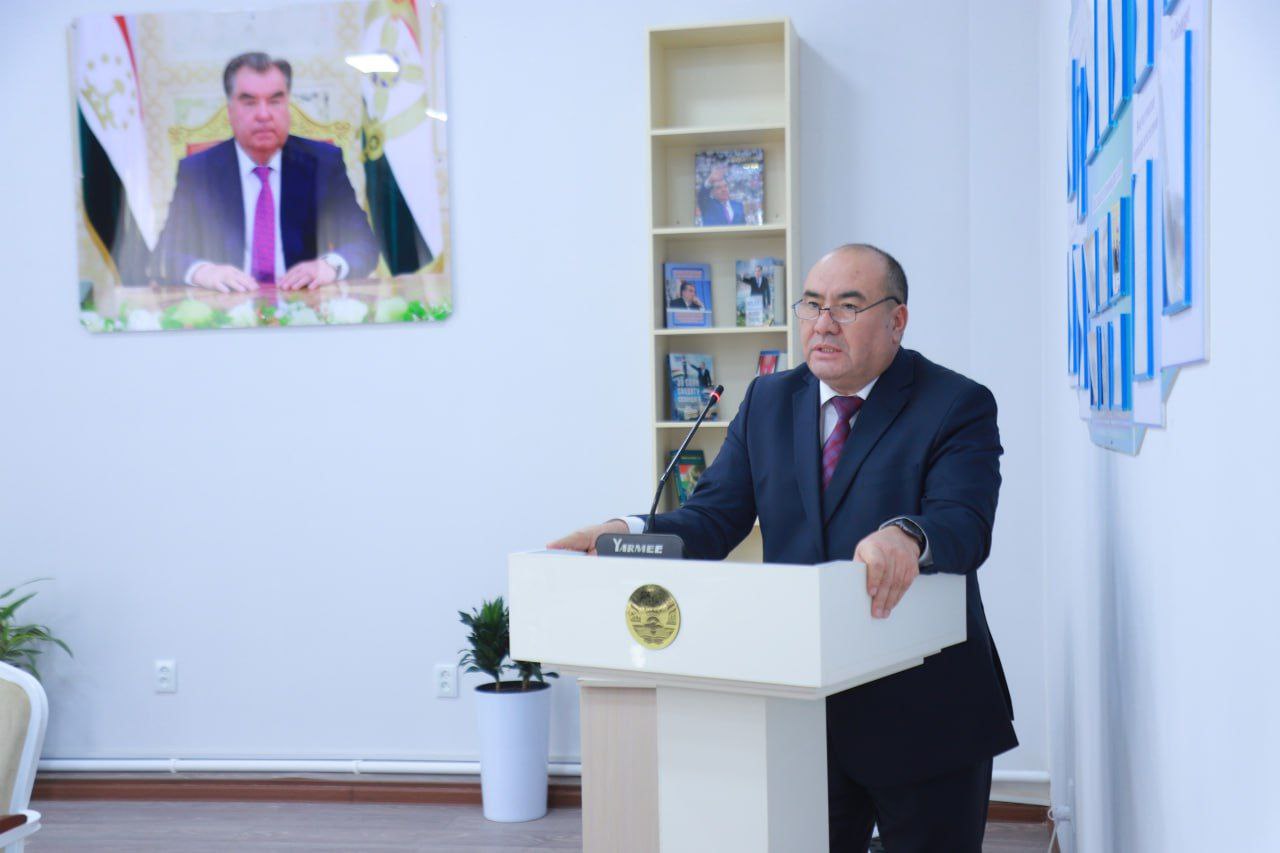
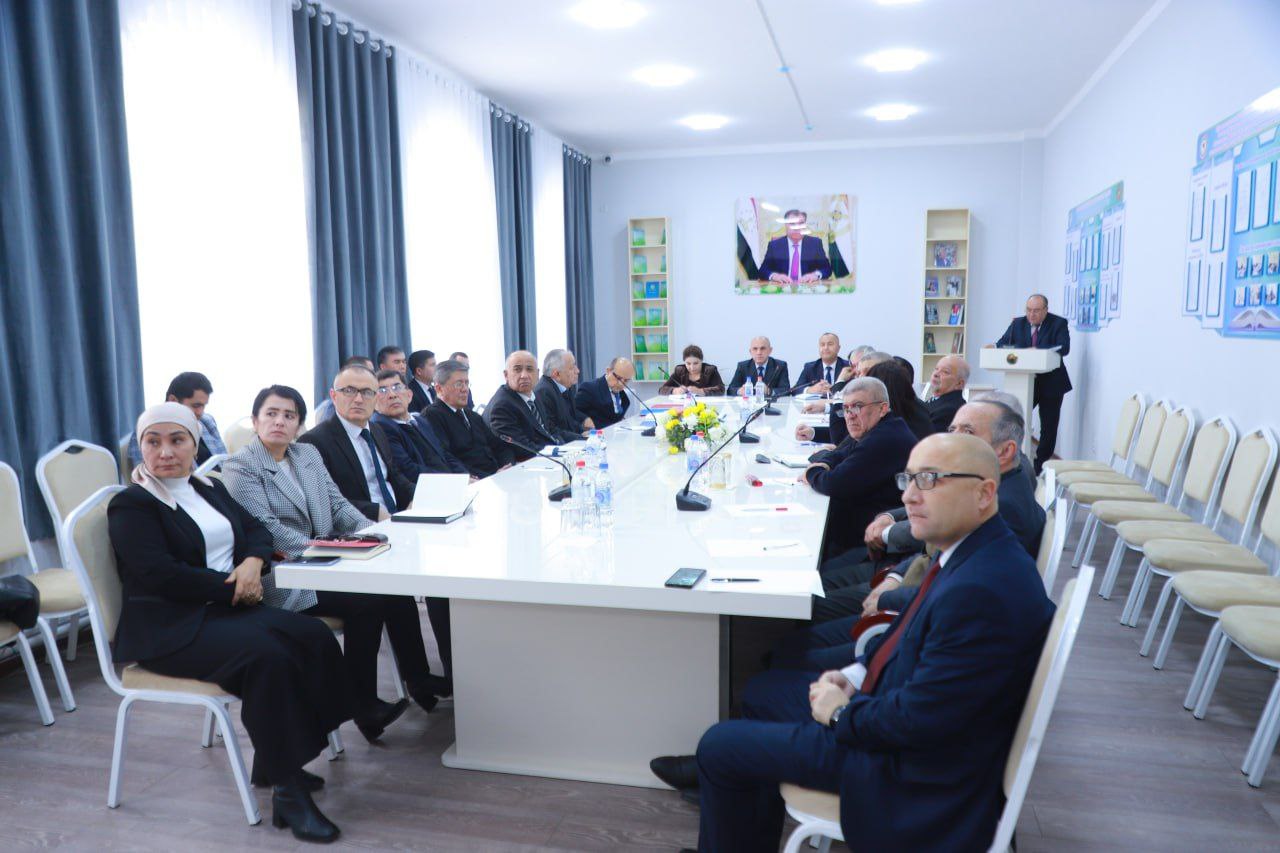
Оn December 12, 2025, a significant meeting was held at Tajik State University of Law, Business and Politics to summarize activities of the dissertation councils operating in the university. This scientific event, which holds particular importance for the development of research and training of highly qualified specialists, was opened with a welcoming address by the university rector, Sheroz Muminzoda. In his speech, the rector emphasized that development of national science and training of academic personnel are among the key university priorities.
It was noted that contribution of the Founder of Peace and National Unity, the Leader of Nation, President of the Republic of Tajikistan, His Excellency Emomali Rahmon, to the development of Tajik science and formation of a modern system for attestation of academic staff is fundamental. Thanks to support and wise policy of the Leader of Nation, recently solid legal, infrastructural, and organizational foundations have been established for the development of science, research, and training of highly qualified specialists. The Head of State consistently pays special attention to strengthening of intellectual society potential, enhancing the status of science, and encouraging young researchers, while issuing important instructions for improving and standardizing attestation system.
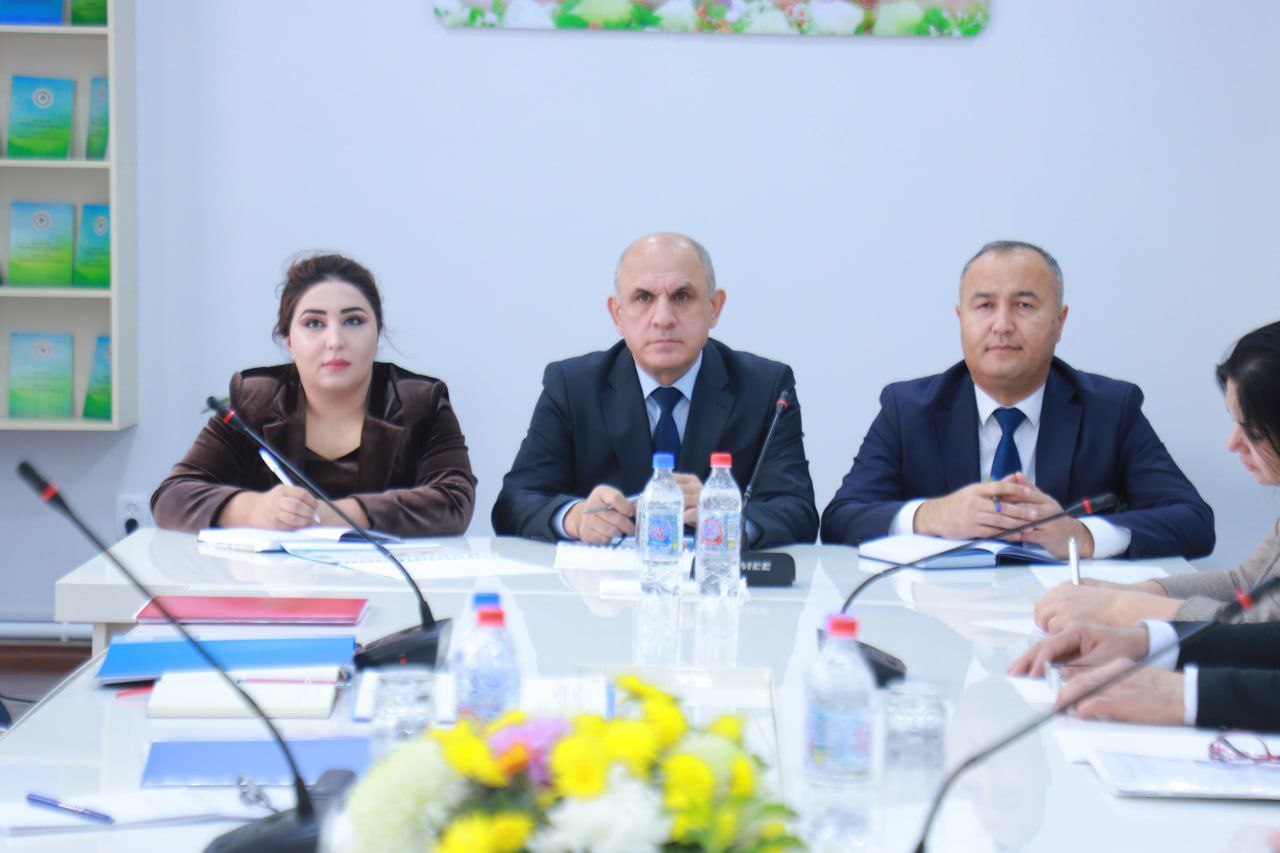
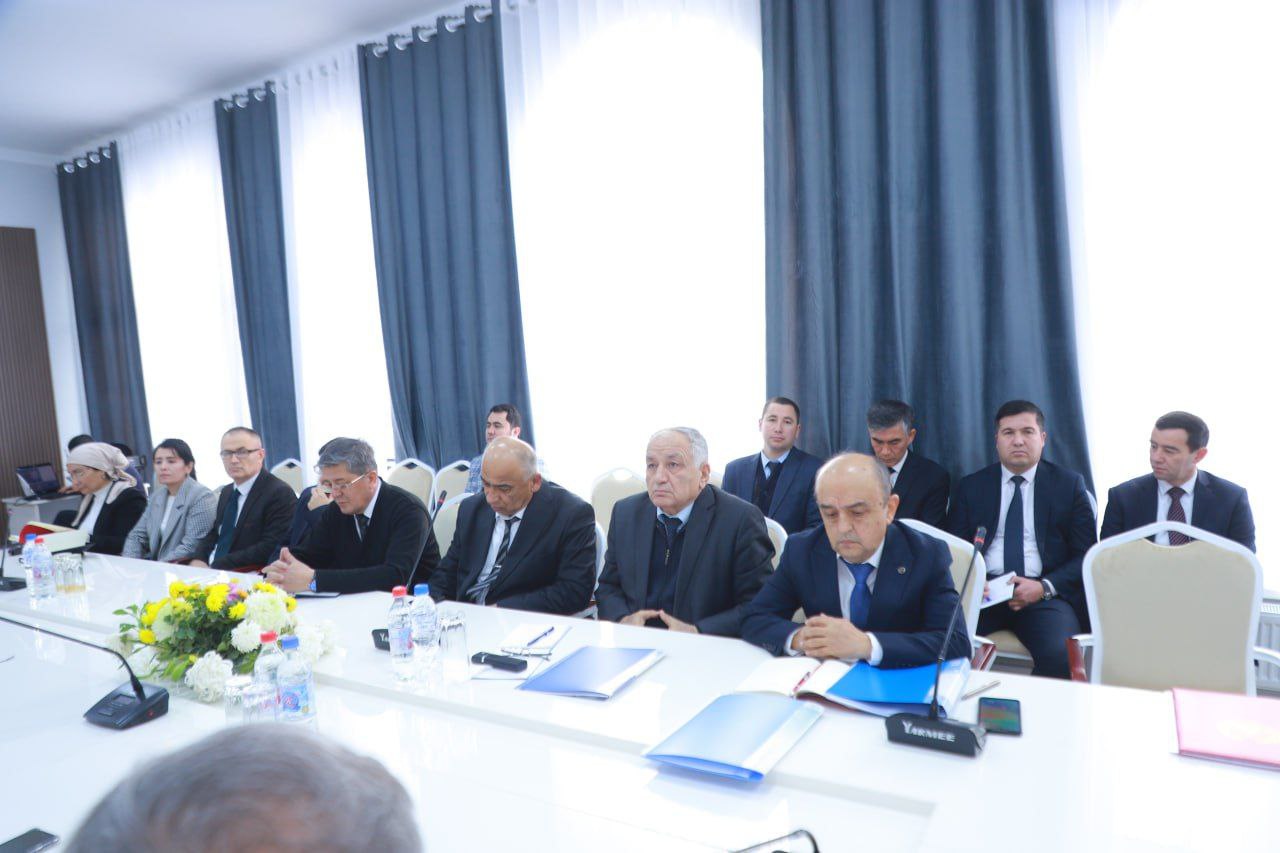
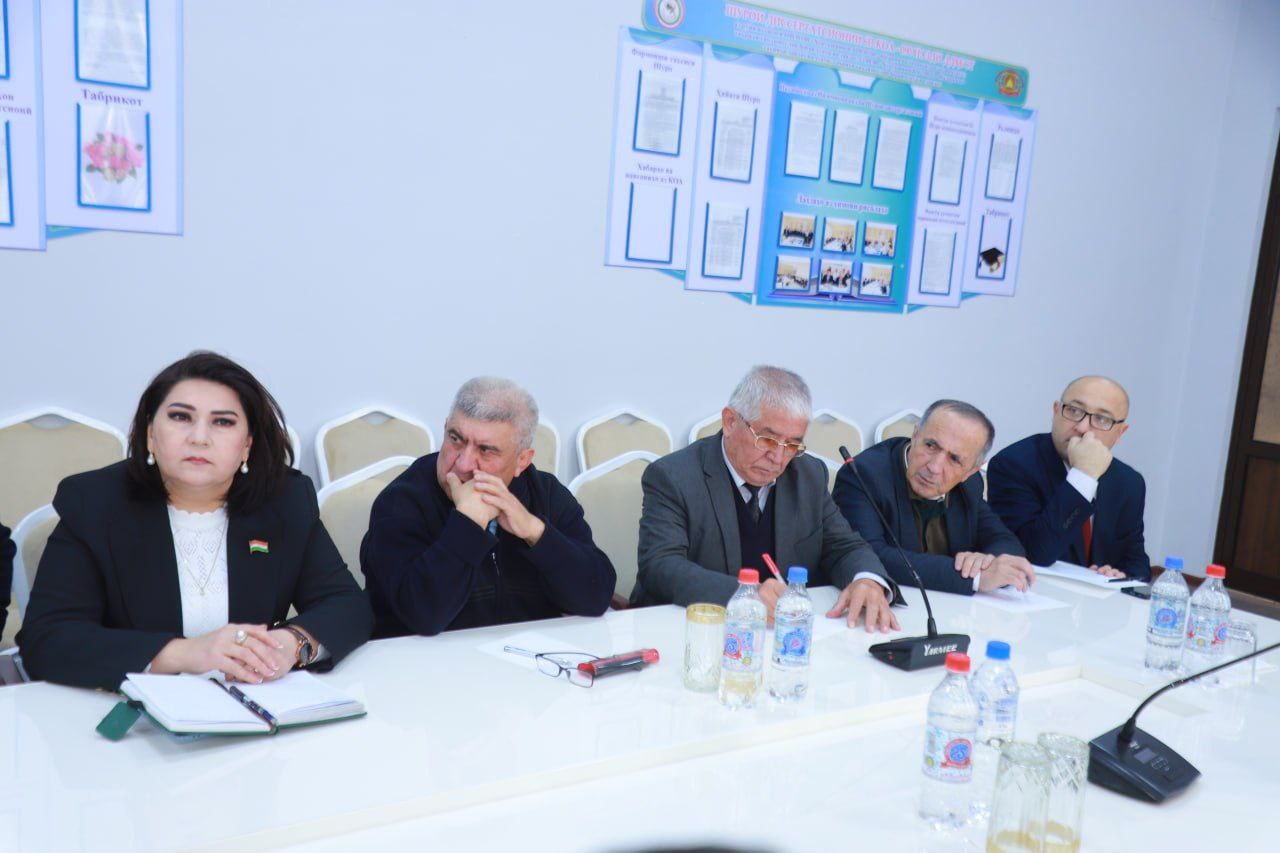
The meeting was attended by the Deputy Chairman of the Higher Attestation Commission under the President of the Republic of Tajikistan, Mumin Sharifzoda, heads of the dissertation councils, and representatives of various academic university units. The presence of the senior leadership of the HAC reflects special attention to the level of scientific work and the process of attesting academic staff.
It is worth emphasizing the key role of the effective activities of the Higher Attestation Commission under the President of the Republic of Tajikistan, headed by Davlatzoda Sayfiddin. In recent years, the HAC has paid particular attention to fostering a culture of high-quality research, adherence to international academic standards, ensuring transparency in dissertation defenses, and supporting young researchers. These initiatives significantly contribute to improving the quality of scientific and teaching activities at higher education institutions across the country, including TSULBP.
During the meeting, a detailed annual report of the dissertation councils was presented. Responsible officials highlighted notable achievements, including an increase number of dissertation defenses, improvement the quality of PhD and doctoral dissertations, engagement of new researchers, and promotion in field-specific research. At the same time, a number of issues requiring further analysis were discussed, ranging from improving documentation procedures to enhancing the quality of academic supervision.
In his address, Deputy Chairman of the HAC Mumin Sharifzoda emphasized the necessity of strict compliance with academic standards, improvement of methodological control mechanisms, and encouragement of researchers to pursue innovative research. He also stressed the importance of university’s support in enhancing research performance indicators. During the discussion session, heads of dissertation councils shared their practical experience, existing challenges, and proposed effective solutions. Constructive suggestions were put forward regarding the improvement of council operations, development of methodological framework, and enhancement of research competencies among young scholars.
Head of the Department of Social Sciences of the HAC, Mavzuna Karimozoda, expressed her views on the review of case files, improper selection of reviewers, and minor shortcomings found in scientific articles.
At the conclusion of the meeting, M.M. Sharifzoda reviewed and analyzed activities of the dissertation councils for the current year, issued instructions to address existing shortcomings, and wished them success and fruitful work in the coming year.
Department of Analysis and Public Relation